THE ADVENTURE COLLECTIVE® · Independent discovery and booking for outdoor travel

A full-day private drive from Split to Dubrovnik that pairs Ston’s massive medieval walls with a guided walk along Dubrovnik’s iconic city walls. Expect coastal scenery, local oysters, and a day of walking on historic stonework.
A full-day private drive from Split to Dubrovnik that pairs Ston’s massive medieval walls with a guided walk along Dubrovnik’s iconic city walls. Expect coastal scenery, local oysters, and a day of walking on historic stonework.
You step into the day with the Adriatic rolling past the coach window, limestone cliffs and small harbors sliding by as the road threads south. The drive from Split is part of the story — low coastal towns, vineyards, and the salt flats around Ston that catch the sun like a scattered mirror.
Verified experiences and guided adventures in the surrounding area.
Operated by Adriatic Vision · Dubrovnik, Dubrovnik-Neretva County
You step into the day with the Adriatic rolling past the coach window, limestone cliffs and small harbors sliding by as the road threads south. The drive from Split is part of the story — low coastal towns, vineyards, and the salt flats around Ston that catch the sun like a scattered mirror.
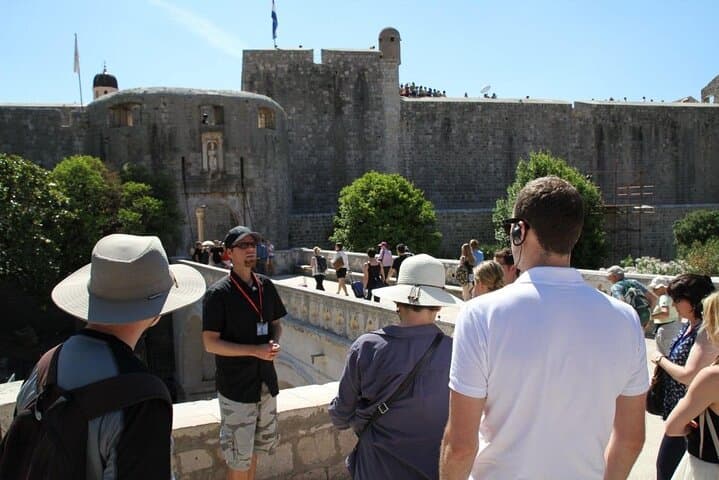
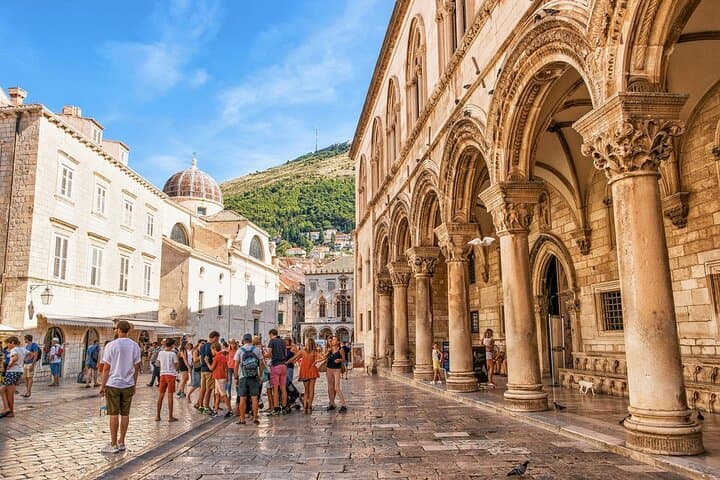
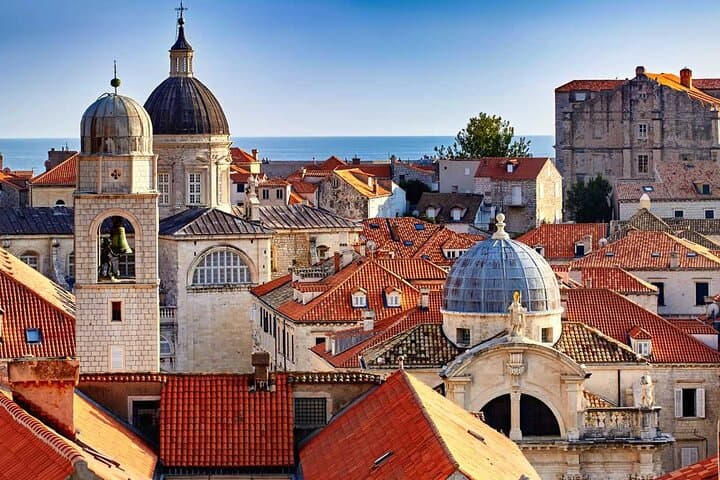
Ston’s medieval fortifications, among the longest in Europe, speak to the maritime rivalries of Ragusa (old Dubrovnik) and the strategic value of the Pelješac Peninsula. The city walls themselves are built from local limestone; up close the blocks show centuries of weather and repairs. In Dubrovnik, the ring of ramparts crowns a compact Old Town of terracotta roofs and Baroque facades, a living urban museum shaped by trade, earthquakes and a proud mercantile republic.
Culturally the route crosses Dalmatia’s seafood traditions — Ston’s oysters are world-class — and the coastal dialects and cuisine that tie the islands and mainland together. Geologically, you move from karst plains to coastal cliffs, with salt pans and oyster beds marking transitions in the landscape.
Practically: this is a full-day, private guided tour with pick-up in Split and return the same evening. Expect multiple short walks (Ston ramparts, Dubrovnik walls) on uneven stone surfaces and stairs. Bring sun protection, comfortable walking shoes with good tread, a passport for border-style checks, and time for a break for lunch or an oyster tasting. Best started early to avoid midday crowds on the city walls and to make the most of the daylight on the drive back.
moderate.
10 hours.
Moderate fitness: able to walk several kilometers across uneven stone surfaces and climb stairs.
The tour is approximately 10 hours (600 minutes) and includes pick-up in Split with return to your original location the same evening.
Admission to the Dubrovnik city walls is not included in the base tour price; your guide will advise on tickets and timing.
Yes, children can join but must be accompanied by an adult; the tour notes recommend moderate fitness and caution on stairs.
Meals are not included; there will be time in Dubrovnik and Ston to purchase local food or try oysters at your own expense.
The Ston Walls were expanded by the Republic of Ragusa (Dubrovnik) in the 14th century to protect valuable salt pans and maritime trade; Dubrovnik itself thrived as an independent maritime republic.
Salt pans and oyster beds are sensitive coastal ecosystems—respect signage, avoid trampling habitats, and prefer local producers who follow sustainable harvesting practices.
Adriatic Vision operates guided outdoor trips and adventures with an emphasis on safety, stewardship, and memorable experiences.

You step into the day with the Adriatic rolling past the coach window, limestone cliffs and small harbors sliding by as the road threads south. The drive from Split is part of the story — low coastal towns, vineyards, and the salt flats around Ston that catch the sun like a scattered mirror.
You step into the day with the Adriatic rolling past the coach window, limestone cliffs and small harbors sliding by as the road threads south. The drive from Split is part of the story — low coastal towns, vineyards, and the salt flats around Ston that catch the sun like a scattered mirror.
Ston’s medieval fortifications, among the longest in Europe, speak to the maritime rivalries of Ragusa (old Dubrovnik) and the strategic value of the Pelješac Peninsula. The city walls themselves are built from local limestone; up close the blocks show centuries of weather and repairs. In Dubrovnik, the ring of ramparts crowns a compact Old Town of terracotta roofs and Baroque facades, a living urban museum shaped by trade, earthquakes and a proud mercantile republic.
Culturally the route crosses Dalmatia’s seafood traditions — Ston’s oysters are world-class — and the coastal dialects and cuisine that tie the islands and mainland together. Geologically, you move from karst plains to coastal cliffs, with salt pans and oyster beds marking transitions in the landscape.
Practically: this is a full-day, private guided tour with pick-up in Split and return the same evening. Expect multiple short walks (Ston ramparts, Dubrovnik walls) on uneven stone surfaces and stairs. Bring sun protection, comfortable walking shoes with good tread, a passport for border-style checks, and time for a break for lunch or an oyster tasting. Best started early to avoid midday crowds on the city walls and to make the most of the daylight on the drive back.