THE ADVENTURE COLLECTIVE® · Independent discovery and booking for outdoor travel

Launch from the ridgelines above Lauterbrunnen for a tandem speedriding run that mixes short, technical ski descents with powered flight under a high‑performance wing. This private experience requires strong skiing skills and offers guided safety checks and optional video service.
Launch from the ridgelines above Lauterbrunnen for a tandem speedriding run that mixes short, technical ski descents with powered flight under a high‑performance wing. This private experience requires strong skiing skills and offers guided safety checks and optional video service.
A cold wind races down the U-shaped gorge of Lauterbrunnen as you shoulder skis and step toward the lift. The valley floor hums with trains and waterfalls, while above, grassy ridgelines and snowfields wait. In minutes you ride a mechanical lift to a launch meadow; the mountain air leans in, daring you to run, ski, and fly.
Verified experiences and guided adventures in the surrounding area.
Operated by GT Paragliding Tandem · Lauterbrunnen, Bern
A cold wind races down the U-shaped gorge of Lauterbrunnen as you shoulder skis and step toward the lift. The valley floor hums with trains and waterfalls, while above, grassy ridgelines and snowfields wait. In minutes you ride a mechanical lift to a launch meadow; the mountain air leans in, daring you to run, ski, and fly.
The Bernese Alps here are carved from hard crystalline rock—glacial forces have gouged steep cliffs and hanging valleys that make for short, intense descents and dynamic thermals. Lauterbrunnen’s climbing and alpine history ties to 19th‑century mountaineering and the development of alpine tourism, and local farming hamlets still punctuate slopes with wooden chalets and ringed cows.
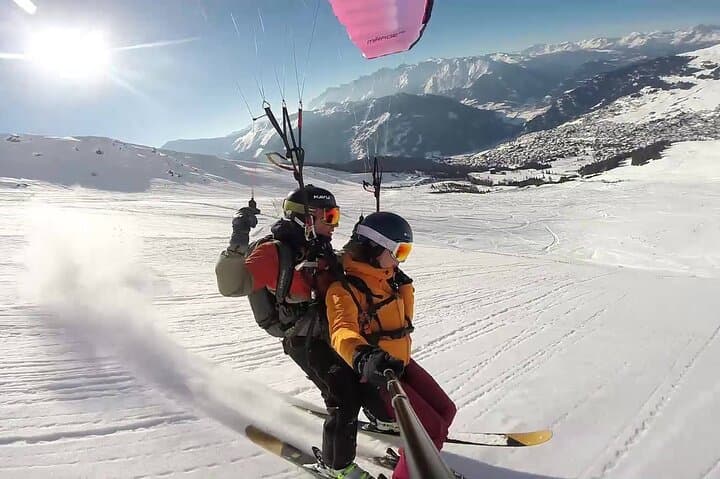
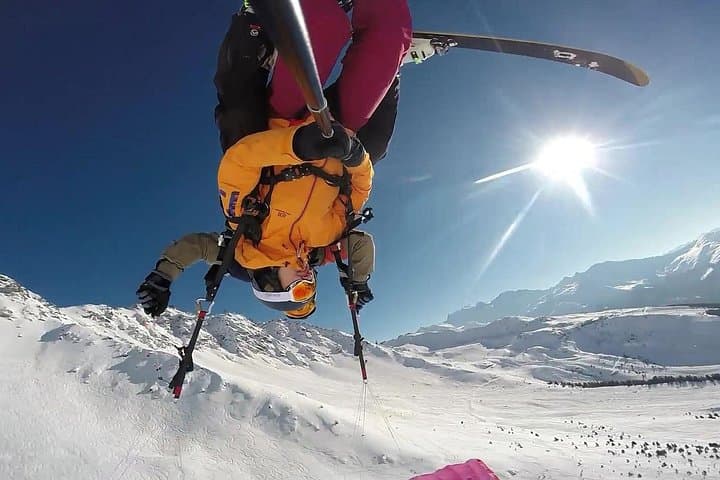
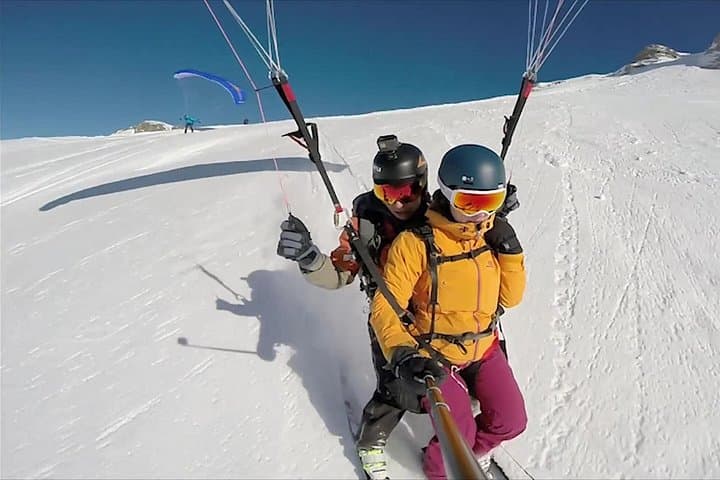
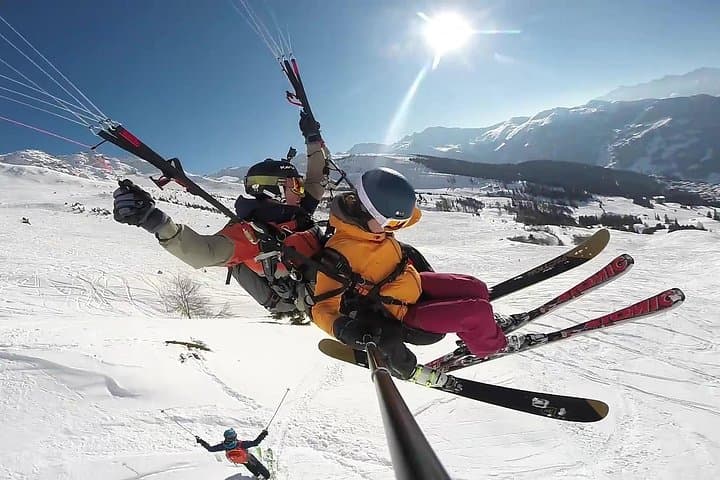
A tandem speedride is part ski run, part controlled fall: you ski to the takeoff, clip into a small high-performance wing, and let the wing bite air while you ride the mountain. Expect sudden transitions between flying and skiing; wind, snowpack, and thermals dictate each moment. Guides prioritize safety—preflight checks, conservative flying lines, and helmeted launches—while optionally capturing the run on camera for an action edit.
Practical note: you must be a competent alpine skier with cold‑weather layering, your own ski gear, and good cardiovascular fitness. Meet at Lauterbrunnen train station; plan for a 3‑ to 3.5‑hour window that includes lift time, instruction, and multiple flights if conditions allow. Check weather windows the morning of; mountain microclimates change fast. Hydrate, tighten boot buckles, and listen closely to your pilot—then count down and push off.
challenging.
3–3.5 hours.
High level of fitness—regular aerobic conditioning and strong leg endurance required; must be an advanced skier.
Yes—this experience requires strong, confident alpine skiing ability; you must manage short technical turns and landings in variable snow.
No—ski equipment is not included. You must bring your own skis, boots, poles, and appropriate avalanche/recovery gear if advised by the operator.
The operator cancels flights in high winds, whiteout, or unstable conditions; cancelations are made for safety and typically communicated with at least 24 hours’ notice when possible.
Meet at Lauterbrunnen train station; the tour includes lift transfers to the flying site and runs about 3–3.5 hours including instruction and preparation.
Lauterbrunnen grew as an alpine destination in the 19th century; its steep valley walls and accessible lifts helped pioneer early ski and paragliding culture in the Bernese Oberland.
Operators limit flight corridors and avoid sensitive summer grazing areas; visitors are encouraged to pack out waste and follow marked trails to minimize erosion.
GT Paragliding Tandem operates guided outdoor trips and adventures with an emphasis on safety, stewardship, and memorable experiences.
A cold wind races down the U-shaped gorge of Lauterbrunnen as you shoulder skis and step toward the lift. The valley floor hums with trains and waterfalls, while above, grassy ridgelines and snowfields wait. In minutes you ride a mechanical lift to a launch meadow; the mountain air leans in, daring you to run, ski, and fly.
A cold wind races down the U-shaped gorge of Lauterbrunnen as you shoulder skis and step toward the lift. The valley floor hums with trains and waterfalls, while above, grassy ridgelines and snowfields wait. In minutes you ride a mechanical lift to a launch meadow; the mountain air leans in, daring you to run, ski, and fly.
The Bernese Alps here are carved from hard crystalline rock—glacial forces have gouged steep cliffs and hanging valleys that make for short, intense descents and dynamic thermals. Lauterbrunnen’s climbing and alpine history ties to 19th‑century mountaineering and the development of alpine tourism, and local farming hamlets still punctuate slopes with wooden chalets and ringed cows.
A tandem speedride is part ski run, part controlled fall: you ski to the takeoff, clip into a small high-performance wing, and let the wing bite air while you ride the mountain. Expect sudden transitions between flying and skiing; wind, snowpack, and thermals dictate each moment. Guides prioritize safety—preflight checks, conservative flying lines, and helmeted launches—while optionally capturing the run on camera for an action edit.
Practical note: you must be a competent alpine skier with cold‑weather layering, your own ski gear, and good cardiovascular fitness. Meet at Lauterbrunnen train station; plan for a 3‑ to 3.5‑hour window that includes lift time, instruction, and multiple flights if conditions allow. Check weather windows the morning of; mountain microclimates change fast. Hydrate, tighten boot buckles, and listen closely to your pilot—then count down and push off.