THE ADVENTURE COLLECTIVE® · Independent discovery and booking for outdoor travel

Spend a private day exploring Iceland’s South Coast—walk behind Seljalandsfoss, climb beside Skógafoss, stand on Reynisfjara’s black sand and view Sólheimajökull glacier. This 9-hour loop blends accessible walks with dramatic geology.
Spend a private day exploring Iceland’s South Coast—walk behind Seljalandsfoss, climb beside Skógafoss, stand on Reynisfjara’s black sand and view Sólheimajökull glacier. This 9-hour loop blends accessible walks with dramatic geology.
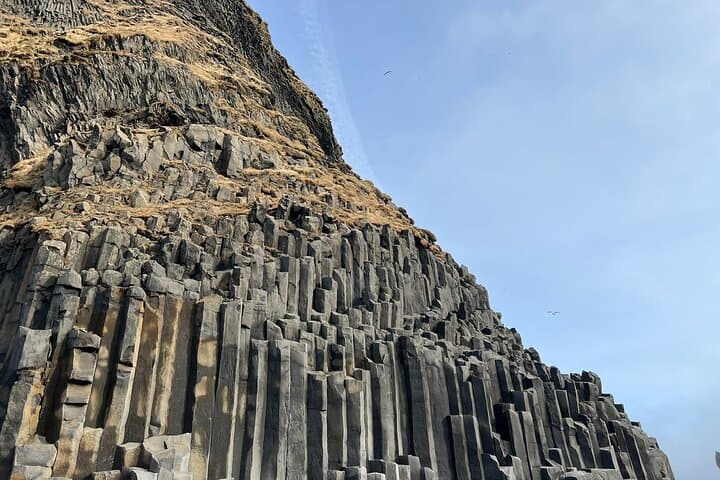
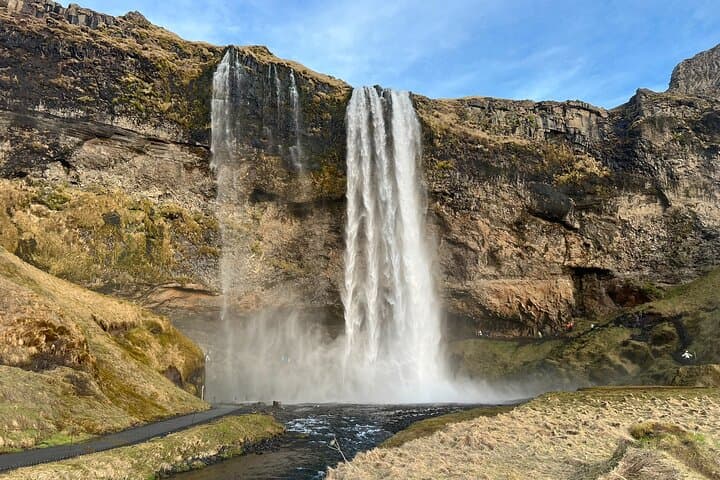
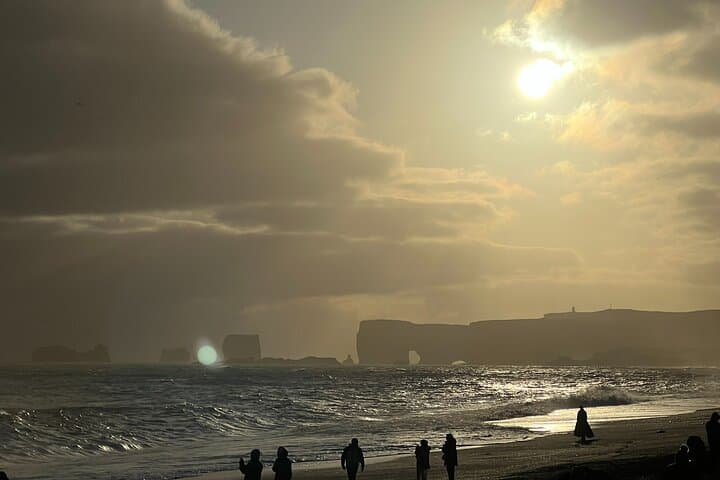
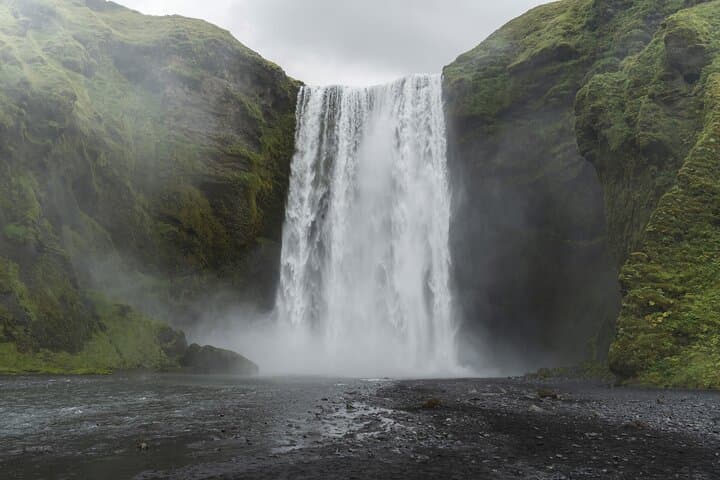
A low, briny wind carries the taste of the Atlantic as the road from Reykjavík drops toward Iceland’s southern coast. You step off the minivan at a waterfall and the cascade dares you closer; at another stop a cliff-backed beach spreads black sand like spilled ink, and a glacier sits aloof, blue and creased. This private South Coast loop stitches together Seljalandsfoss (where a path lets you walk behind the sheet), Skógafoss (a 60 m drop with a steep stairline to a ridgeline view), Reynisfjara’s basalt sea stacks, and a glacier viewpoint near Sólheimajökull. Short walks and photo stops are the rhythm—expect 10–45 minute outings at each major point and one moderate climb of roughly 370 steps to the Skógafoss overlook.
Verified experiences and guided adventures in the surrounding area.
Operated by Bela · Skógar, Southern Region
A low, briny wind carries the taste of the Atlantic as the road from Reykjavík drops toward Iceland’s southern coast. You step off the minivan at a waterfall and the cascade dares you closer; at another stop a cliff-backed beach spreads black sand like spilled ink, and a glacier sits aloof, blue and creased. This private South Coast loop stitches together Seljalandsfoss (where a path lets you walk behind the sheet), Skógafoss (a 60 m drop with a steep stairline to a ridgeline view), Reynisfjara’s basalt sea stacks, and a glacier viewpoint near Sólheimajökull. Short walks and photo stops are the rhythm—expect 10–45 minute outings at each major point and one moderate climb of roughly 370 steps to the Skógafoss overlook.
Geology here is active and readable: recent lava fields, layers of volcanic ash, and glaciers that have sculpted fjords and plains. Eyjafjallajökull’s 2010 eruption is recent memory; the black sands and basalt columns record repeated fire-and-ice cycles. Local culture still orients around farming pockets and coastal communities like Vík, with fishing histories and folklore tied to the stacks.
Practical guidance: this is a full 9-hour private tour with mostly easy walking but uneven surfaces. Wear waterproof layers and sturdy boots, respect signage at beaches (sneaker waves are dangerous), and don’t attempt glacier travel without a guide. Bring a windproof outer layer, extra batteries for cameras, and time your visit for softer light—early or late in the day reduces crowds and improves photos.
moderate.
9 hours.
Light to moderate fitness; able to walk short uneven sections and climb about 370 steps at Skógafoss
This private tour runs about 9 hours with multiple 10–45 minute stops; walking at each stop is short to moderate, designed for photography and brief exploration.
No—walking on Sólheimajökull requires specialized gear and a guided glacier walk; this tour provides views and short moraine-area access only unless a guided glacier hike is arranged separately.
Many stops have short, flat viewing areas suitable for families; however some sites have stairs or uneven ground—discuss accessibility needs when booking to confirm specifics.
Primary hazards are strong coastal waves at Reynisfjara, wet slippery surfaces near waterfalls, and rapidly changing weather—adhere to signage and guide directions.
The South Coast’s farms and fishing hamlets reflect centuries of adaptation to volcanic soils and coastal winds; Eyjafjallajökull’s 2010 eruption reshaped travel and local memories.
Black sand beaches and fragile moss-covered lava fields erode if walked on—stay on marked paths, pack out waste, and follow guide instructions to protect landscapes.
Bela operates guided outdoor trips and adventures with an emphasis on safety, stewardship, and memorable experiences.
A low, briny wind carries the taste of the Atlantic as the road from Reykjavík drops toward Iceland’s southern coast. You step off the minivan at a waterfall and the cascade dares you closer; at another stop a cliff-backed beach spreads black sand like spilled ink, and a glacier sits aloof, blue and creased. This private South Coast loop stitches together Seljalandsfoss (where a path lets you walk behind the sheet), Skógafoss (a 60 m drop with a steep stairline to a ridgeline view), Reynisfjara’s basalt sea stacks, and a glacier viewpoint near Sólheimajökull. Short walks and photo stops are the rhythm—expect 10–45 minute outings at each major point and one moderate climb of roughly 370 steps to the Skógafoss overlook.
A low, briny wind carries the taste of the Atlantic as the road from Reykjavík drops toward Iceland’s southern coast. You step off the minivan at a waterfall and the cascade dares you closer; at another stop a cliff-backed beach spreads black sand like spilled ink, and a glacier sits aloof, blue and creased. This private South Coast loop stitches together Seljalandsfoss (where a path lets you walk behind the sheet), Skógafoss (a 60 m drop with a steep stairline to a ridgeline view), Reynisfjara’s basalt sea stacks, and a glacier viewpoint near Sólheimajökull. Short walks and photo stops are the rhythm—expect 10–45 minute outings at each major point and one moderate climb of roughly 370 steps to the Skógafoss overlook.
Geology here is active and readable: recent lava fields, layers of volcanic ash, and glaciers that have sculpted fjords and plains. Eyjafjallajökull’s 2010 eruption is recent memory; the black sands and basalt columns record repeated fire-and-ice cycles. Local culture still orients around farming pockets and coastal communities like Vík, with fishing histories and folklore tied to the stacks.
Practical guidance: this is a full 9-hour private tour with mostly easy walking but uneven surfaces. Wear waterproof layers and sturdy boots, respect signage at beaches (sneaker waves are dangerous), and don’t attempt glacier travel without a guide. Bring a windproof outer layer, extra batteries for cameras, and time your visit for softer light—early or late in the day reduces crowds and improves photos.