THE ADVENTURE COLLECTIVE® · Independent discovery and booking for outdoor travel

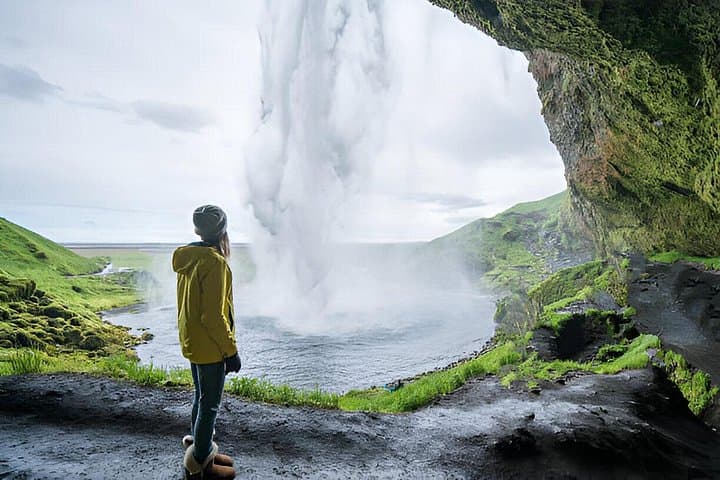
Spend a private 9–10 hour day from Reykjavík exploring Seljalandsfoss, Skógafoss, Solheimajökull viewpoint and Reynisfjara’s basalt shore. This tour balances dramatic scenery with practical pacing — ideal for photographers and first-time visitors.
Spend a private 9–10 hour day from Reykjavík exploring Seljalandsfoss, Skógafoss, Solheimajökull viewpoint and Reynisfjara’s basalt shore. This tour balances dramatic scenery with practical pacing — ideal for photographers and first-time visitors.
A morning fog lifts over Reykjavík as a private vehicle hums south on the Ring Road, and the coastline opens like a living map. Salt-slick cliffs, black ridges of lava, and the distant thunder of waterfalls set the pace: this is Iceland’s South Coast — raw, loud and unhurried.
Verified experiences and guided adventures in the surrounding area.
Operated by Best Tours Iceland · Reykjavik, Capital Region
A morning fog lifts over Reykjavík as a private vehicle hums south on the Ring Road, and the coastline opens like a living map. Salt-slick cliffs, black ridges of lava, and the distant thunder of waterfalls set the pace: this is Iceland’s South Coast — raw, loud and unhurried.
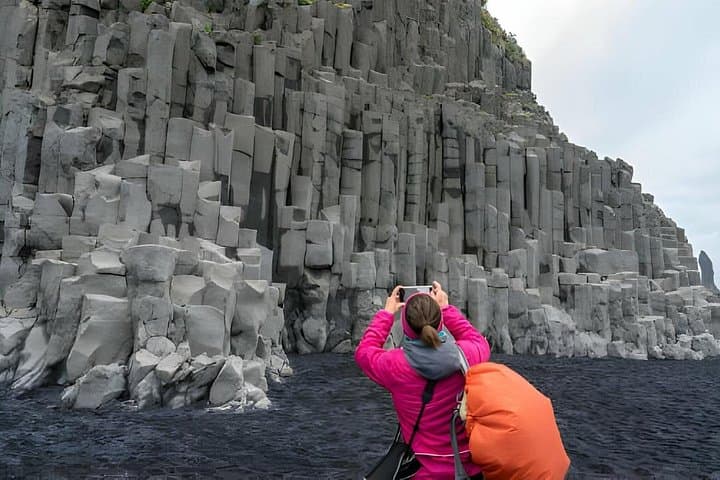
History and geology arrive together here. Much of the region was sculpted by repeated glaciations and volcanic eruptions; the basalt columns at Reynisfjara and the black sand beaches are the result of cooled lava meeting cold ocean and grinding into sand. Folklore threads through the landscape — the Reynisdrangar sea stacks are said to be troll remains frozen by daylight — while Viking-era settlement patterns explain the sparsely scattered farms and the small fishing village of Vík.
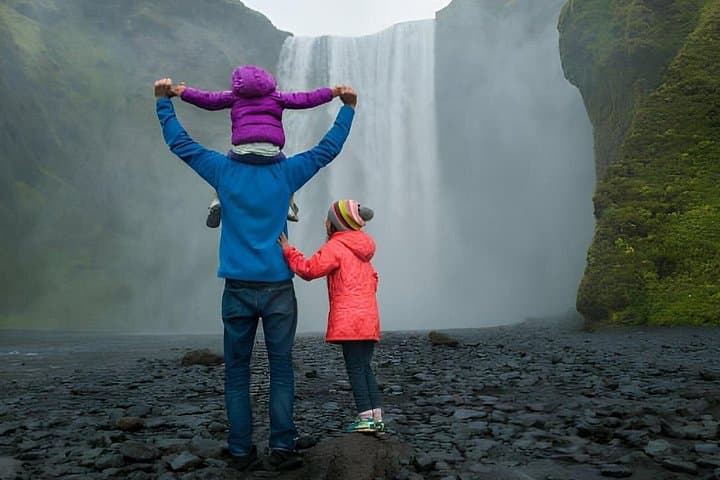
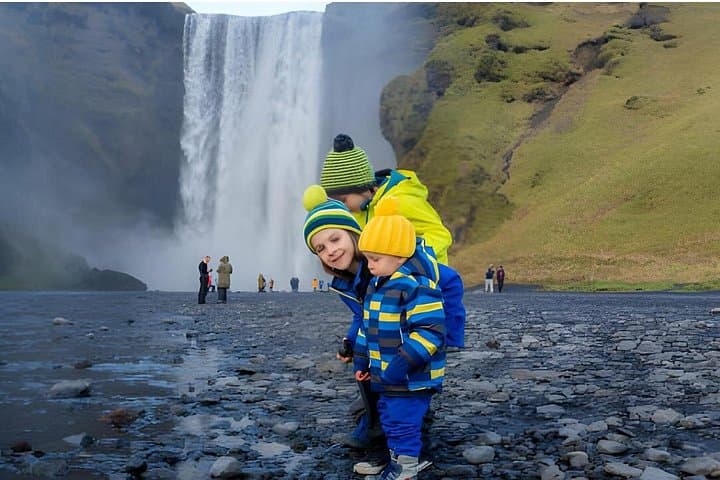
Culturally, stops like Seljalandsfoss and Skógafoss are as much stages for photography and quiet contemplation as they are geological features; Solheimajökull’s blue ice offers a window into long-term climate forces without needing technical glacier travel.
Practical guidance: expect a 9–10 hour day with roughly 120 km from Reykjavík to Seljalandsfoss and about 200–250 km round trip along the coast. Walking at viewpoints is short (200–1,000 m) but surfaces can be uneven, wet and icy; Skógafoss has a stair viewpoint (moderate elevation gain). Dress in waterproof layers, bring sturdy footwear, and allow buffer time for photos and weather changes. Guides offer hotel pickup, local insight, and the flexibility to linger where the light is best — a private pace that turns a long day into a series of memorable, manageable encounters with Iceland’s elemental coast.
moderate.
9–10 hours.
Suitable for people who can undertake several short walks on uneven ground and climb a moderate flight of stairs; long day sitting in vehicle.
Expect about 1.5–2 hours (≈120 km) to Seljalandsfoss depending on traffic and weather; the full loop is a 9–10 hour day.
This itinerary includes a glacier viewpoint only; glacier hikes require specialist guides and equipment and are offered as separate activities.
There are basic services in Vík and at some roadside stops, but bring snacks and water for the full day as options are limited between towns.
Yes — the tour is private and rated easy for fitness, but shorter walking abilities and mobility limitations should be communicated at booking for tailored pacing.
The South Coast’s farms and coastal names reflect early Norse settlement; many sea features appear in local sagas and folk tales tied to fishermen and farmers.
This coastline is fragile — stick to marked trails, avoid climbing on basalt columns and do not remove sand or stones; local guides emphasize Leave No Trace to protect nesting birds and fragile moss.
Best Tours Iceland operates guided outdoor trips and adventures with an emphasis on safety, stewardship, and memorable experiences.
A morning fog lifts over Reykjavík as a private vehicle hums south on the Ring Road, and the coastline opens like a living map. Salt-slick cliffs, black ridges of lava, and the distant thunder of waterfalls set the pace: this is Iceland’s South Coast — raw, loud and unhurried.
A morning fog lifts over Reykjavík as a private vehicle hums south on the Ring Road, and the coastline opens like a living map. Salt-slick cliffs, black ridges of lava, and the distant thunder of waterfalls set the pace: this is Iceland’s South Coast — raw, loud and unhurried.
History and geology arrive together here. Much of the region was sculpted by repeated glaciations and volcanic eruptions; the basalt columns at Reynisfjara and the black sand beaches are the result of cooled lava meeting cold ocean and grinding into sand. Folklore threads through the landscape — the Reynisdrangar sea stacks are said to be troll remains frozen by daylight — while Viking-era settlement patterns explain the sparsely scattered farms and the small fishing village of Vík.
Culturally, stops like Seljalandsfoss and Skógafoss are as much stages for photography and quiet contemplation as they are geological features; Solheimajökull’s blue ice offers a window into long-term climate forces without needing technical glacier travel.
Practical guidance: expect a 9–10 hour day with roughly 120 km from Reykjavík to Seljalandsfoss and about 200–250 km round trip along the coast. Walking at viewpoints is short (200–1,000 m) but surfaces can be uneven, wet and icy; Skógafoss has a stair viewpoint (moderate elevation gain). Dress in waterproof layers, bring sturdy footwear, and allow buffer time for photos and weather changes. Guides offer hotel pickup, local insight, and the flexibility to linger where the light is best — a private pace that turns a long day into a series of memorable, manageable encounters with Iceland’s elemental coast.