THE ADVENTURE COLLECTIVE® · Independent discovery and booking for outdoor travel

Drive Iceland’s dramatic south shore from Reykjavík, visit Seljalandsfoss and Skógafoss, explore Reynisfjara’s basalt beach, then strap on crampons for a guided walk on Sólheimajökull glacier. A full-day private tour that blends waterfalls, volcanic geology and hands-on glacial terrain.
Drive Iceland’s dramatic south shore from Reykjavík, visit Seljalandsfoss and Skógafoss, explore Reynisfjara’s basalt beach, then strap on crampons for a guided walk on Sólheimajökull glacier. A full-day private tour that blends waterfalls, volcanic geology and hands-on glacial terrain.
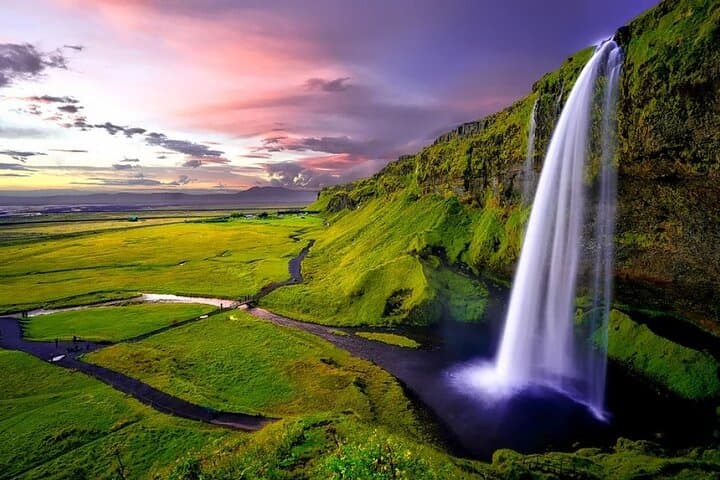
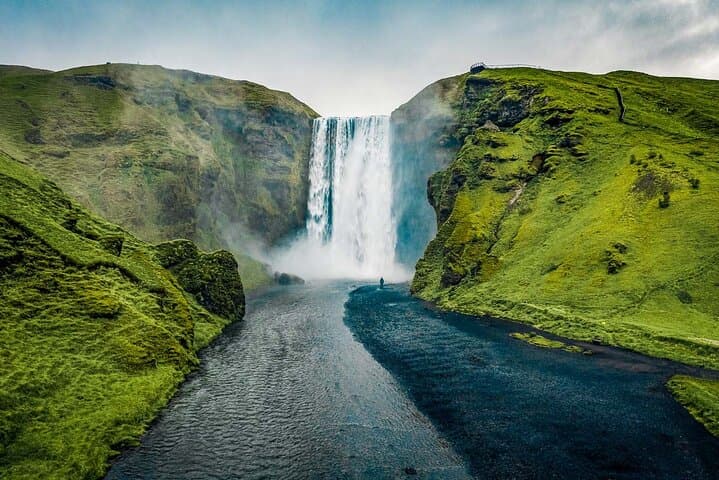
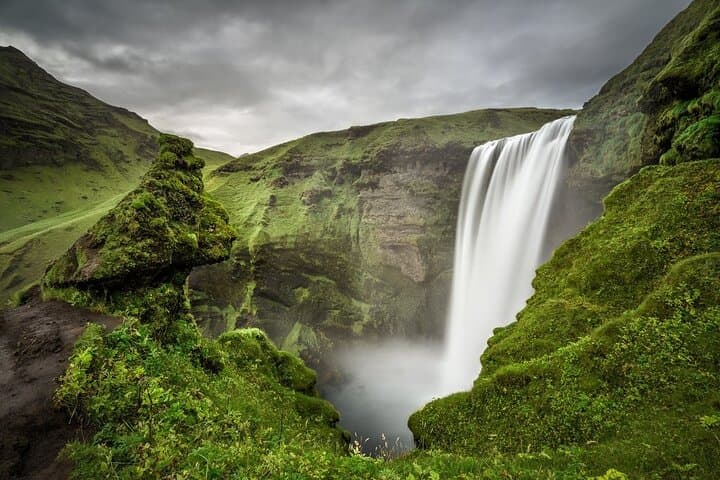
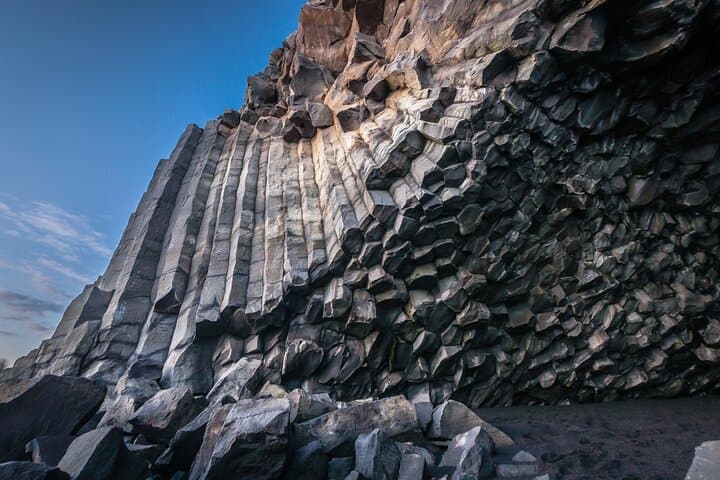
A wind-swept lane of black sand, basalt spikes, thunderous falls and a hard blue glacier — the South Coast unspools like a geology lesson in motion. Start before dawn in Reykjavík and watch the low light flatten cliffs as you drive east; by mid-morning Seljalandsfoss and Skógafoss are roaring, their spray daring you closer. Later the road squeezes between volcano and sea, and the land opens onto Reynisfjara’s basalt columns and Reynisdrangar sea stacks that jut from the Atlantic like broken teeth.
Verified experiences and guided adventures in the surrounding area.
Operated by Travelling Iceland · Vík, Southern Region
A wind-swept lane of black sand, basalt spikes, thunderous falls and a hard blue glacier — the South Coast unspools like a geology lesson in motion. Start before dawn in Reykjavík and watch the low light flatten cliffs as you drive east; by mid-morning Seljalandsfoss and Skógafoss are roaring, their spray daring you closer. Later the road squeezes between volcano and sea, and the land opens onto Reynisfjara’s basalt columns and Reynisdrangar sea stacks that jut from the Atlantic like broken teeth.
This route follows the southern edge of the Mýrdalsjökull ice cap. Sólheimajökull is an outlet glacier — a dynamic, crevassed surface that reveals ash bands from nearby Katla and the eruptive history of Eyjafjallajökull. Culturally, the coast is shaped by fishing villages, sagas and a pragmatic relationship with sudden weather shifts.
Expect a 11-hour day including transfers; the glacier segment is typically ~3 hours on ice covering 2–4 km of uneven terrain with little net elevation gain but active features (crevasses, ice ridges). Guides supply crampons and helmets; no technical climbing skills required, but steady footing and a head for heights help.
Practical: dress in layered, windproof clothing, bring sturdy boots (insulated if cold), and keep electronics in waterproof cases. Timing matters — light and sea-state vary seasonally — and the operator may cancel in dangerous conditions. The payoff is immediate: raw landscapes, audible geology and a hands-on look at a glacier in retreat.
moderate.
10–11 hours.
Moderate fitness: able to walk 3–5 km over uneven terrain and keep pace during a multi-stop day involving short hikes and time on ice.
No prior glacier experience is required; guides provide instruction, helmets, crampons and route leadership for safe, accessible ice walking.
Layered clothing, a warm mid-layer, waterproof outer shell and sturdy boots are recommended; guides often provide crampons and helmets but bring warm socks and gloves.
The operator notes it's not recommended for travelers with poor cardiovascular health and may restrict very young children; check with the provider when booking.
Tours can be cancelled for safety; the cancellation policy permits a full refund if cancelled at least 24 hours prior and operators may cancel same-day for hazardous weather.
The coastline records repeated volcanic activity from Katla and Eyjafjallajökull; ash layers on the glacier reflect eruptions that shaped the landscape and local settlement patterns.
Glaciers here are visibly retreating — visitors are encouraged to stick to guided routes to minimize impact and support operators who follow Leave No Trace principles.
Travelling Iceland operates guided outdoor trips and adventures with an emphasis on safety, stewardship, and memorable experiences.
A wind-swept lane of black sand, basalt spikes, thunderous falls and a hard blue glacier — the South Coast unspools like a geology lesson in motion. Start before dawn in Reykjavík and watch the low light flatten cliffs as you drive east; by mid-morning Seljalandsfoss and Skógafoss are roaring, their spray daring you closer. Later the road squeezes between volcano and sea, and the land opens onto Reynisfjara’s basalt columns and Reynisdrangar sea stacks that jut from the Atlantic like broken teeth.
A wind-swept lane of black sand, basalt spikes, thunderous falls and a hard blue glacier — the South Coast unspools like a geology lesson in motion. Start before dawn in Reykjavík and watch the low light flatten cliffs as you drive east; by mid-morning Seljalandsfoss and Skógafoss are roaring, their spray daring you closer. Later the road squeezes between volcano and sea, and the land opens onto Reynisfjara’s basalt columns and Reynisdrangar sea stacks that jut from the Atlantic like broken teeth.
This route follows the southern edge of the Mýrdalsjökull ice cap. Sólheimajökull is an outlet glacier — a dynamic, crevassed surface that reveals ash bands from nearby Katla and the eruptive history of Eyjafjallajökull. Culturally, the coast is shaped by fishing villages, sagas and a pragmatic relationship with sudden weather shifts.
Expect a 11-hour day including transfers; the glacier segment is typically ~3 hours on ice covering 2–4 km of uneven terrain with little net elevation gain but active features (crevasses, ice ridges). Guides supply crampons and helmets; no technical climbing skills required, but steady footing and a head for heights help.
Practical: dress in layered, windproof clothing, bring sturdy boots (insulated if cold), and keep electronics in waterproof cases. Timing matters — light and sea-state vary seasonally — and the operator may cancel in dangerous conditions. The payoff is immediate: raw landscapes, audible geology and a hands-on look at a glacier in retreat.