THE ADVENTURE COLLECTIVE® · Independent discovery and booking for outdoor travel

Spend a private day on Iceland’s South Coast—waterfalls, black sand beaches and a guided glacier walk on Sólheimajökull. This full‑day trip moves at your pace and includes glacier safety gear and photography stops.
Spend a private day on Iceland’s South Coast—waterfalls, black sand beaches and a guided glacier walk on Sólheimajökull. This full‑day trip moves at your pace and includes glacier safety gear and photography stops.
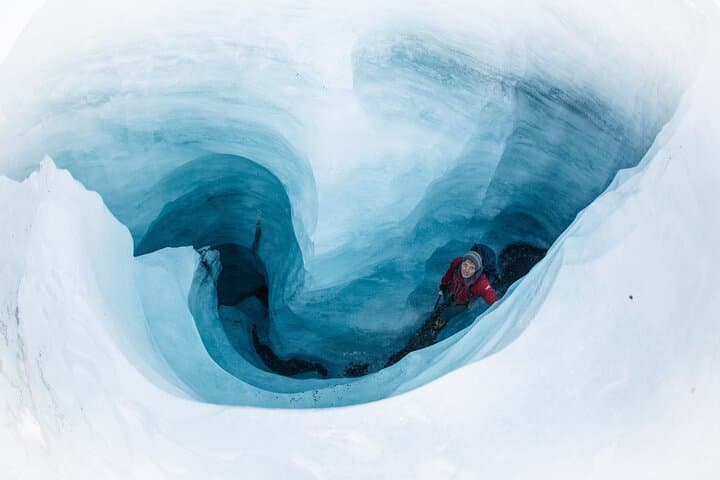
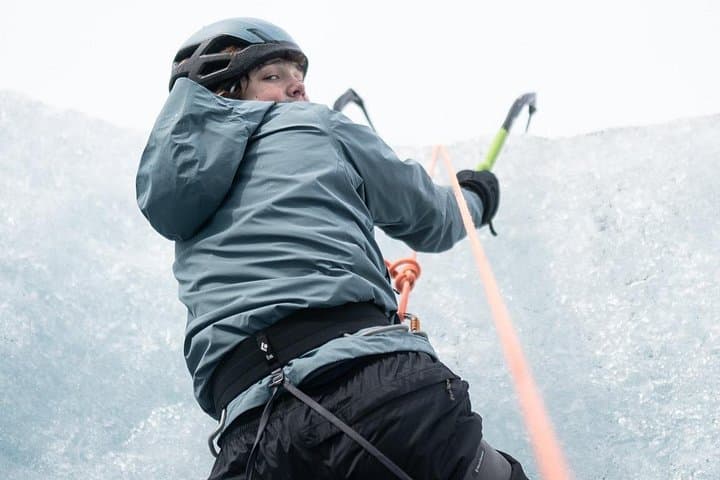
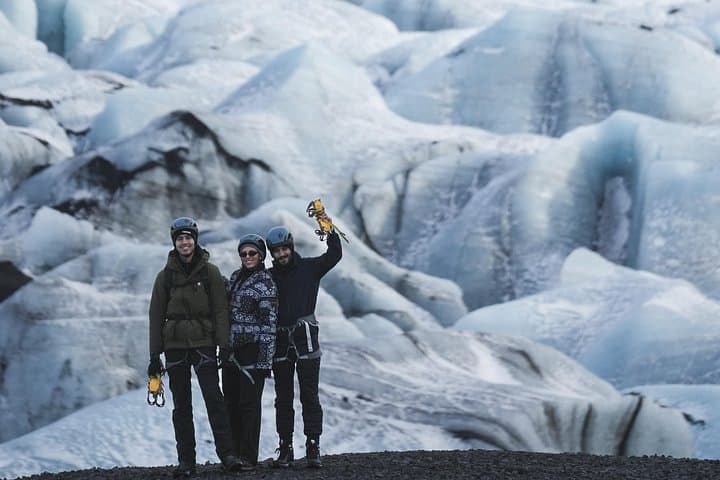
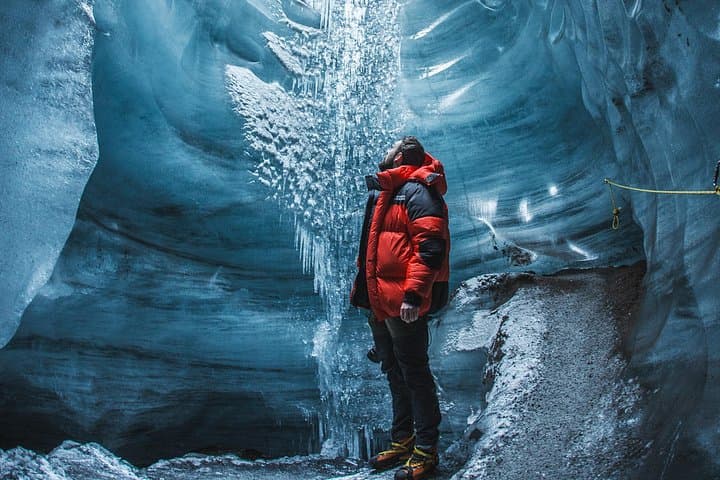
A low, cold wind pushes spray across the shore as you step off the van and the first basalt columns of the South Coast loom like cut stone. The tour moves deliberately: thunder of a waterfall, the hush of black sand underfoot, then the distant blue of glacier ice folded into the horizon. On a private full‑day outing you’ll move at your pace — pausing at Seljalandsfoss and Skógafoss, walking the black beaches near Reynisfjara, and finally clipping on crampons at Sólheimajökull for a guided glacier walk.
Verified experiences and guided adventures in the surrounding area.
Operated by Arctic Exped · Vík, Southern Region
A low, cold wind pushes spray across the shore as you step off the van and the first basalt columns of the South Coast loom like cut stone. The tour moves deliberately: thunder of a waterfall, the hush of black sand underfoot, then the distant blue of glacier ice folded into the horizon. On a private full‑day outing you’ll move at your pace — pausing at Seljalandsfoss and Skógafoss, walking the black beaches near Reynisfjara, and finally clipping on crampons at Sólheimajökull for a guided glacier walk.
Geology here reads like a field guide — recent volcanics, glacial moraine, and the south‑facing outlets of Mýrdalsjökull. Iceland’s south coast was shaped by eruptions and ice advances over millennia; the glaciers are active, crevassed, and constantly reshaped by melt and ash. Culturally, this strip has been a travel corridor since settlement, with small farming communities and folklore tied to the sea and the mountain.
Expect mixed terrain: paved pullouts, gravel access roads, black sand beaches, rocky trails, and 2–3 km of glacier travel with 50–150 m of modest elevation change on ice and moraine. Guides provide helmets and crampons; moderate fitness and a head for uneven, icy footing are required.
Practically: layer for wind and wet conditions, bring waterproof boots, 1–2 liters of water, and a charged camera. Plan for a 10‑hour day from Reykjavík with short photo stops en route; weather can change rapidly — allow flexibility, and follow guide instructions on the ice for safety.
moderate.
10 hours.
Moderate — able to handle uneven ground, steep steps, icy patches and 2–3 km of glacier walking at a steady pace.
Guides typically lead 2–3 km across Sólheimajökull outlet glacier with short elevation changes; total walking for the day is usually 6–10 km including coastal stops.
No — tours are guided and include basic instruction; however, you should be comfortable on uneven, icy terrain and able to follow safety briefings.
The operator may cancel for severe weather or unsafe glacier conditions; you’ll generally be offered a full refund if canceled at least 24 hours before departure.
Yes — glacier safety equipment is included and fitted by the guide, though bring your own boots and warm layers.
The south coast sits on young volcanic deposits from Katla and Eyjafjallajökull eruptions; local farms have long used glacial outwash plains for grazing when conditions allow.
Glaciers here are retreating; visitors should stay on marked routes and follow guide instructions to reduce impacts on fragile moraine and ice features.
Arctic Exped operates guided outdoor trips and adventures with an emphasis on safety, stewardship, and memorable experiences.
A low, cold wind pushes spray across the shore as you step off the van and the first basalt columns of the South Coast loom like cut stone. The tour moves deliberately: thunder of a waterfall, the hush of black sand underfoot, then the distant blue of glacier ice folded into the horizon. On a private full‑day outing you’ll move at your pace — pausing at Seljalandsfoss and Skógafoss, walking the black beaches near Reynisfjara, and finally clipping on crampons at Sólheimajökull for a guided glacier walk.
A low, cold wind pushes spray across the shore as you step off the van and the first basalt columns of the South Coast loom like cut stone. The tour moves deliberately: thunder of a waterfall, the hush of black sand underfoot, then the distant blue of glacier ice folded into the horizon. On a private full‑day outing you’ll move at your pace — pausing at Seljalandsfoss and Skógafoss, walking the black beaches near Reynisfjara, and finally clipping on crampons at Sólheimajökull for a guided glacier walk.
Geology here reads like a field guide — recent volcanics, glacial moraine, and the south‑facing outlets of Mýrdalsjökull. Iceland’s south coast was shaped by eruptions and ice advances over millennia; the glaciers are active, crevassed, and constantly reshaped by melt and ash. Culturally, this strip has been a travel corridor since settlement, with small farming communities and folklore tied to the sea and the mountain.
Expect mixed terrain: paved pullouts, gravel access roads, black sand beaches, rocky trails, and 2–3 km of glacier travel with 50–150 m of modest elevation change on ice and moraine. Guides provide helmets and crampons; moderate fitness and a head for uneven, icy footing are required.
Practically: layer for wind and wet conditions, bring waterproof boots, 1–2 liters of water, and a charged camera. Plan for a 10‑hour day from Reykjavík with short photo stops en route; weather can change rapidly — allow flexibility, and follow guide instructions on the ice for safety.