THE ADVENTURE COLLECTIVE® · Independent discovery and booking for outdoor travel

Walk Abu Dhabi’s markets with an Emirati guide who opens doors to traditional goods, local foods, and the stories behind them. This private 2–4 hour tour mixes sensory discovery with practical shopping know-how.
Walk Abu Dhabi’s markets with an Emirati guide who opens doors to traditional goods, local foods, and the stories behind them. This private 2–4 hour tour mixes sensory discovery with practical shopping know-how.
You step off the shaded street into a pulse of color and scent: piles of saffron-red spices, strings of dates glinting like small brown coins, and vendors calling softly over the bustle. An Emirati guide leads the way—part translator, part cultural map—moving through lanes where modern commerce meets a trading tradition that shaped Abu Dhabi’s rise.
Verified experiences and guided adventures in the surrounding area.
Operated by Tour by Emirati · Abu Dhabi, Abu Dhabi
You step off the shaded street into a pulse of color and scent: piles of saffron-red spices, strings of dates glinting like small brown coins, and vendors calling softly over the bustle. An Emirati guide leads the way—part translator, part cultural map—moving through lanes where modern commerce meets a trading tradition that shaped Abu Dhabi’s rise.
The souk is less a single place than a network: Madinat Zayed’s mixed shops, the Old Souk’s spice stalls and textiles, and the nearby Marina Mall that frames the Corniche skyline. Historically these marketplaces grew from coastal trade—pearls, dates and imported goods—and still reflect that mercantile DNA. Geologically you’re on the flat coastal plain of the Arabian Gulf, where sea-borne trade routes shaped settlements rather than steep terrain or rivers.
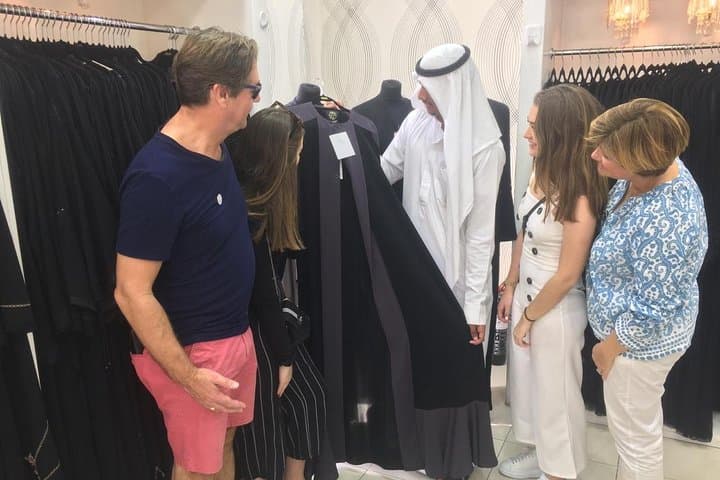
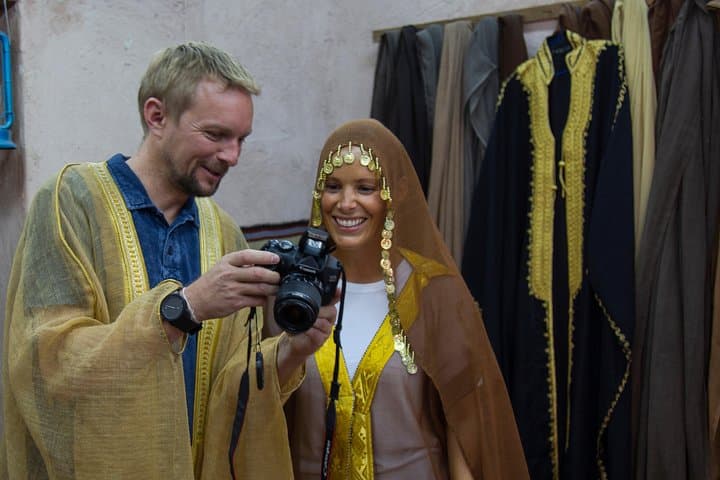
Expect a blend of sensory and practical: tasting local snacks, seeing traditional dress and discovering items used in Emirati homes. Guides explain items like gahwa (Arabic coffee) tools, date varieties, and the basics of respectful haggling. Photography is common but polite asking is appreciated, especially in family-run shops.
Practicalities: the tour runs about 2–4 hours and is wheelchair accessible. Wear breathable, modest clothing and comfortable shoes for walking on tiled and sometimes uneven surfaces. Carry water and small notes for purchases; many stalls accept cards but cash is preferred. Schedule morning or late afternoon to avoid peak heat and to catch the market when fresh deliveries arrive. The private format gives space to ask about recipes, fabrics, and the social role markets play in Emirati daily life.
easy.
2–4 hours.
Suitable for all fitness levels; requires walking on flat but sometimes uneven surfaces for several hours.
The tour typically lasts between 2 and 4 hours depending on your pace and chosen stops.
Yes—this private tour is listed as stroller- and wheelchair-accessible, and the pace can be adjusted for families.
No purchase is required; guides will explain items and prices, and bargaining is optional and done politely.
Tipping is discretionary; small tips for guides are appreciated. Shopkeepers generally do not expect tips beyond the sale price.
Souks in Abu Dhabi evolved from coastal trading hubs where pearls, dates and imported goods passed through on dhows; these markets remain social centers for commerce and daily life.
Support local craftspeople and avoid single-use plastics; choosing small purchases from artisans helps sustain traditional trades and reduces waste.
Tour by Emirati operates guided outdoor trips and adventures with an emphasis on safety, stewardship, and memorable experiences.


You step off the shaded street into a pulse of color and scent: piles of saffron-red spices, strings of dates glinting like small brown coins, and vendors calling softly over the bustle. An Emirati guide leads the way—part translator, part cultural map—moving through lanes where modern commerce meets a trading tradition that shaped Abu Dhabi’s rise.
You step off the shaded street into a pulse of color and scent: piles of saffron-red spices, strings of dates glinting like small brown coins, and vendors calling softly over the bustle. An Emirati guide leads the way—part translator, part cultural map—moving through lanes where modern commerce meets a trading tradition that shaped Abu Dhabi’s rise.
The souk is less a single place than a network: Madinat Zayed’s mixed shops, the Old Souk’s spice stalls and textiles, and the nearby Marina Mall that frames the Corniche skyline. Historically these marketplaces grew from coastal trade—pearls, dates and imported goods—and still reflect that mercantile DNA. Geologically you’re on the flat coastal plain of the Arabian Gulf, where sea-borne trade routes shaped settlements rather than steep terrain or rivers.
Expect a blend of sensory and practical: tasting local snacks, seeing traditional dress and discovering items used in Emirati homes. Guides explain items like gahwa (Arabic coffee) tools, date varieties, and the basics of respectful haggling. Photography is common but polite asking is appreciated, especially in family-run shops.
Practicalities: the tour runs about 2–4 hours and is wheelchair accessible. Wear breathable, modest clothing and comfortable shoes for walking on tiled and sometimes uneven surfaces. Carry water and small notes for purchases; many stalls accept cards but cash is preferred. Schedule morning or late afternoon to avoid peak heat and to catch the market when fresh deliveries arrive. The private format gives space to ask about recipes, fabrics, and the social role markets play in Emirati daily life.