THE ADVENTURE COLLECTIVE® · Independent discovery and booking for outdoor travel

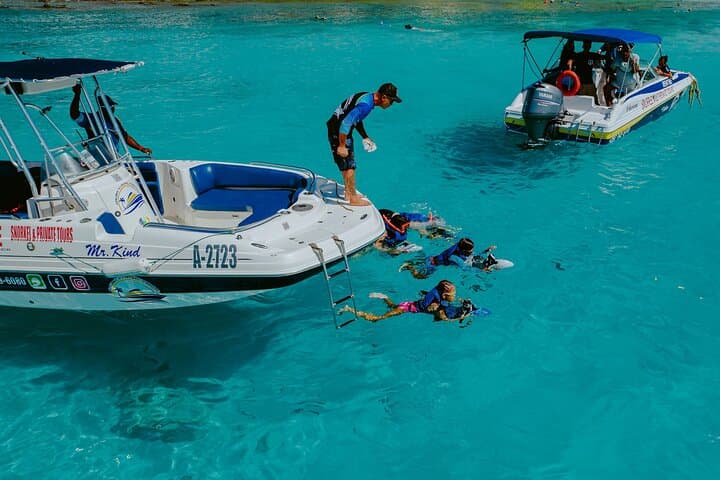
Short, private boat trips along Aruba’s northwest coast stop at shallow reefs and shipwrecks for easy snorkeling with sea turtles. Two-hour outings include equipment, a safety briefing and drinks — ideal for first-time snorkelers and small private groups.
Short, private boat trips along Aruba’s northwest coast stop at shallow reefs and shipwrecks for easy snorkeling with sea turtles. Two-hour outings include equipment, a safety briefing and drinks — ideal for first-time snorkelers and small private groups.
The motor hums, the bow cuts a bright Caribbean swell and the island slides aft — low volcanic ridgelines meeting white sand, the wind daring you to lean into the spray. A private boat from Aruba Xtreme Vibes ferries small groups out along the island’s northwest shelf, dropping anchor at shallow reef gardens and the occasional rusted hull that now lives as hard coral and fish habitat.
Verified experiences and guided adventures in the surrounding area.
Operated by Aruba Xtreme Vibes · Oranjestad, Aruba
The motor hums, the bow cuts a bright Caribbean swell and the island slides aft — low volcanic ridgelines meeting white sand, the wind daring you to lean into the spray. A private boat from Aruba Xtreme Vibes ferries small groups out along the island’s northwest shelf, dropping anchor at shallow reef gardens and the occasional rusted hull that now lives as hard coral and fish habitat.
Aruba’s shoreline is a lesson in geology: ancient lava flows and limestone reef terraces shaping a coastline that still resists the Atlantic’s push. The wrecks off the northwest coast are recent chapters in maritime history, now schools for parrotfish and havens for hawksbill turtles. The island’s Dutch-Caribbean culture shows up in bright fishing boats, bilingual captains, and roadside kiosks serving freshly grilled fish back on shore.
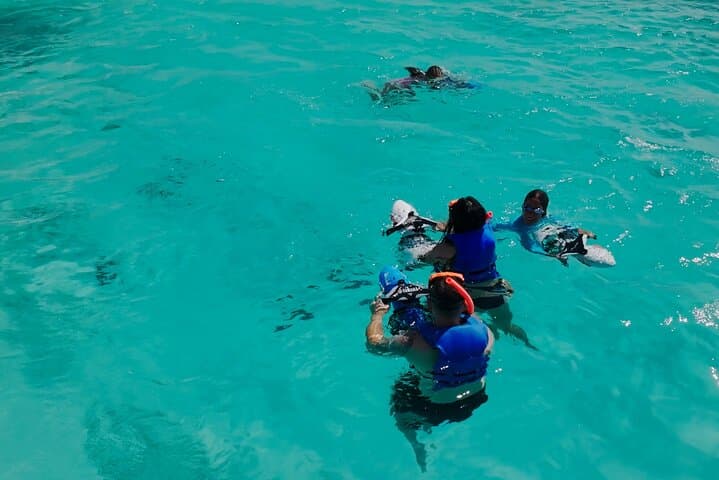
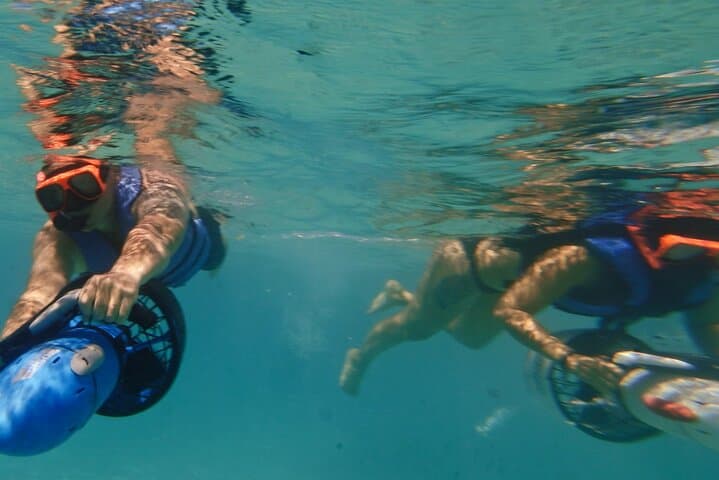
Expect two hours of easy, guided snorkel stops — calm shallow reefs, clear visibility, and slow butterflyfish that aren’t shy. Captains provide masks, fins and drinks; an underwater scooter may be available for extra range. Safety briefings precede every drop; sea conditions determine exact stops.
Practical edge: wear a long-sleeve rash guard and reef-safe sunscreen, secure a small dry bag for phone and cards, and time trips for morning hours when winds are lighter. If you’re prone to motion sickness, take precautions before boarding; surface intervals at scenic points make the outing social as well as marine-focused. For first-time snorkelers or seasoned observers, the NW coast delivers close turtle encounters, easy drift snorkeling, and a compact taste of Aruba’s underwater life.
easy.
2 hours.
Suitable for basic swimming ability and light mobility; no special fitness required
Trips are two hours long and typically include snorkeling equipment, drinks, a safety briefing and guided stops at reefs and wrecks.
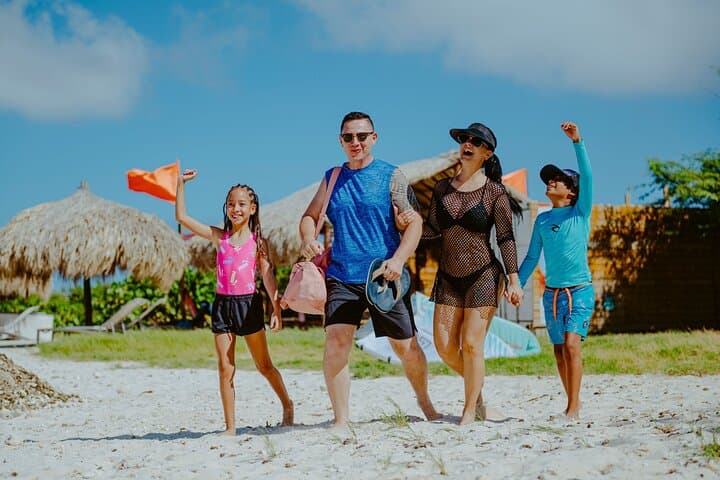
Tours are family-friendly and suitable for non-expert swimmers; life jackets are provided and captains accommodate beginners, but supervision is required.
Operators cancel in unsafe conditions and offer a full refund if cancelled at least 24 hours prior; last-minute weather cancellations may also occur for safety.
Yes — the northwest coast is known for regular turtle sightings and a few accessible wrecks, though sightings depend on conditions and natural behavior.
Shipwrecks along Aruba’s coast reflect both colonial-era navigation hazards and more recent maritime incidents; many wrecks have become artificial reefs.
Operators emphasize reef protection — avoid touching coral, use reef-safe sunscreen, and follow captain guidance to minimize anchor damage.
Aruba Xtreme Vibes operates guided outdoor trips and adventures with an emphasis on safety, stewardship, and memorable experiences.
The motor hums, the bow cuts a bright Caribbean swell and the island slides aft — low volcanic ridgelines meeting white sand, the wind daring you to lean into the spray. A private boat from Aruba Xtreme Vibes ferries small groups out along the island’s northwest shelf, dropping anchor at shallow reef gardens and the occasional rusted hull that now lives as hard coral and fish habitat.
The motor hums, the bow cuts a bright Caribbean swell and the island slides aft — low volcanic ridgelines meeting white sand, the wind daring you to lean into the spray. A private boat from Aruba Xtreme Vibes ferries small groups out along the island’s northwest shelf, dropping anchor at shallow reef gardens and the occasional rusted hull that now lives as hard coral and fish habitat.
Aruba’s shoreline is a lesson in geology: ancient lava flows and limestone reef terraces shaping a coastline that still resists the Atlantic’s push. The wrecks off the northwest coast are recent chapters in maritime history, now schools for parrotfish and havens for hawksbill turtles. The island’s Dutch-Caribbean culture shows up in bright fishing boats, bilingual captains, and roadside kiosks serving freshly grilled fish back on shore.
Expect two hours of easy, guided snorkel stops — calm shallow reefs, clear visibility, and slow butterflyfish that aren’t shy. Captains provide masks, fins and drinks; an underwater scooter may be available for extra range. Safety briefings precede every drop; sea conditions determine exact stops.
Practical edge: wear a long-sleeve rash guard and reef-safe sunscreen, secure a small dry bag for phone and cards, and time trips for morning hours when winds are lighter. If you’re prone to motion sickness, take precautions before boarding; surface intervals at scenic points make the outing social as well as marine-focused. For first-time snorkelers or seasoned observers, the NW coast delivers close turtle encounters, easy drift snorkeling, and a compact taste of Aruba’s underwater life.