THE ADVENTURE COLLECTIVE® · Independent discovery and booking for outdoor travel

A private 3.5‑hour snorkel tour from Key Largo that visits two reef sites in John Pennekamp Coral Reef State Park, including the famed Christ of the Abyss. Expect guided gear fitting, snacks and water, close encounters with reef fish, and hands‑on conservation guidance.
A private 3.5‑hour snorkel tour from Key Largo that visits two reef sites in John Pennekamp Coral Reef State Park, including the famed Christ of the Abyss. Expect guided gear fitting, snacks and water, close encounters with reef fish, and hands‑on conservation guidance.
The boat eases off the dock and turquoise water immediately takes on personality — playful, bright, and curious — as the shoreline of Key Largo shrinks into a green ribbon. Within minutes the captain has the engine idling and a small group is fidgeting with masks while the Atlantic breathes around the hull. This is a private 3.5‑hour snorkel outing to John Pennekamp Coral Reef State Park: two reef locations, a chance to hover over living coral gardens, and close encounters with parrotfish, barracuda, sergeant majors and the famously photographed Christ of the Abyss statue.
Verified experiences and guided adventures in the surrounding area.
Operated by Snorkel the Keys · Key Largo, FL
The boat eases off the dock and turquoise water immediately takes on personality — playful, bright, and curious — as the shoreline of Key Largo shrinks into a green ribbon. Within minutes the captain has the engine idling and a small group is fidgeting with masks while the Atlantic breathes around the hull. This is a private 3.5‑hour snorkel outing to John Pennekamp Coral Reef State Park: two reef locations, a chance to hover over living coral gardens, and close encounters with parrotfish, barracuda, sergeant majors and the famously photographed Christ of the Abyss statue.
John Pennekamp was established in 1963 as the nation’s first undersea park, a move driven by conservationists who wanted to protect Florida’s nearshore reefs from damage. Geologically the reef is a rim of fossilized coral and limestone fringing the edge of the Florida Platform; currents and storms have sculpted ledges and coral heads into pockets that shelter schools of snapper and grazing Bermuda chubs. Culturally, the Keys are a working maritime landscape: charter skiffs, sportfishers, and state park vessels weave among markers that map both recreation and protection.
On a private tour, the rhythm is yours. Guides brief the group, fit snorkel gear (short wetsuits available), and set expectations for distance from fragile coral. The captain will anchor in two different reef sites chosen for conditions — often a shallow patch for easy viewing and a slightly deeper site near the submerged statue for dramatic photos. Expect gentle current in places; the guide’s job is to read it and position swimmers accordingly, letting the water push you over coral without contact.
Practicalities matter. Meet at Key Largo Resort Marina (between Holiday Inn and Skippers Dockside) 30 minutes before departure to sign waivers and get fitted. Trips include snacks, bottled water, soda and snorkel gear; an underwater camera is available aboard but you can bring your own. Minimum age is 5 and all participants must be able to swim. If you’re prone to seasickness, take preventative measures — the boat will run quietly but the channel can be choppy in a breeze.
Timing your outing for morning light improves visibility and calms surface chop. Bring reef‑safe sunscreen, a lightweight cover‑up, and a dry bag for your phone. Above all, treat the reef like an old city: fascinating to explore but fragile — look, float, photograph, don’t touch. On a good day the ocean rewards restraint with a gallery of color and motion: yellow‑striped snappers forming curtains, inquisitive stingrays slinking beneath you, and coral colonies that demand both respect and careful viewing.
moderate.
3–3.5 hours.
Moderate fitness needed: comfortable swimming, ability to snorkel for short intervals and get on/off a boat.
No, but you must know how to swim and be comfortable with basic snorkeling techniques; guides offer brief instruction.
Guests must be 5 years or older to snorkel.
Yes — snorkel gear and short wetsuits are available and included in the trip price.
Trips are cancelled for unsafe conditions; cancel at least 24 hours before departure for a full refund per policy.
Yes — bring your own in a waterproof case; the boat also offers an underwater camera and 32GB card for purchase.
This tour is not recommended for travelers with significant spinal or cardiovascular issues due to boat movement and exertion while snorkeling.
John Pennekamp became the United States’ first undersea park in 1963, protecting reef ecosystems and shaping modern marine conservation in the Keys.
The park enforces buoy lines and no‑take rules; visitors are urged to use reef‑safe products and avoid standing on coral to minimize damage.
Snorkel the Keys operates guided outdoor trips and adventures with an emphasis on safety, stewardship, and memorable experiences.
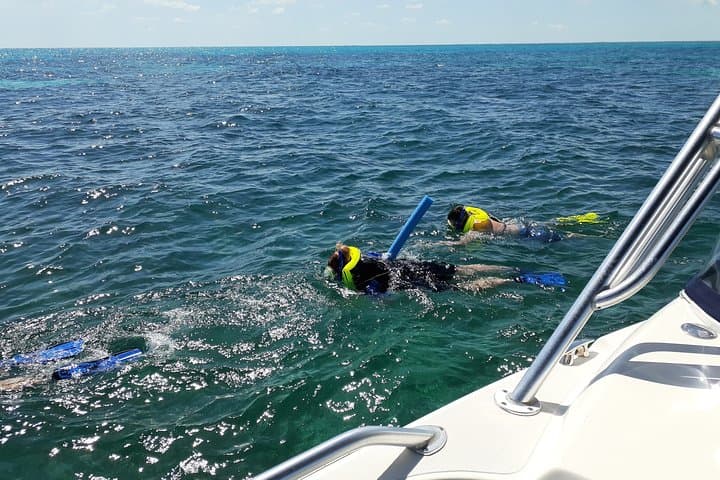
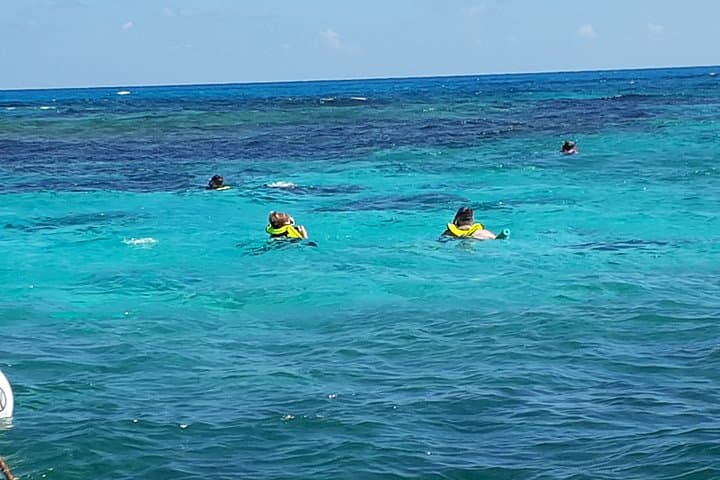
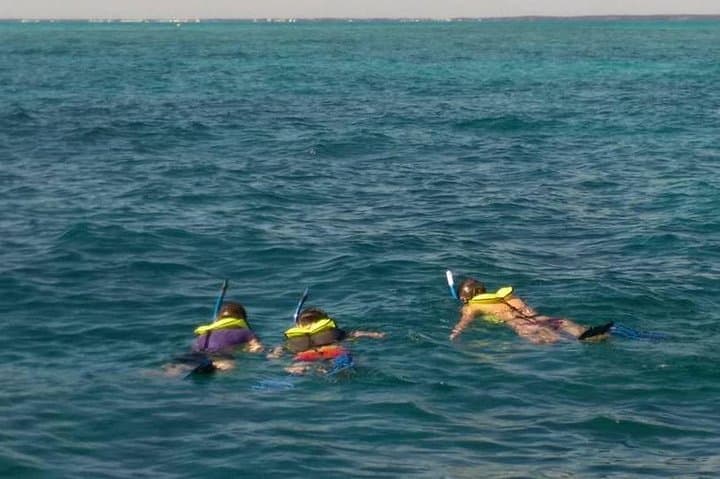
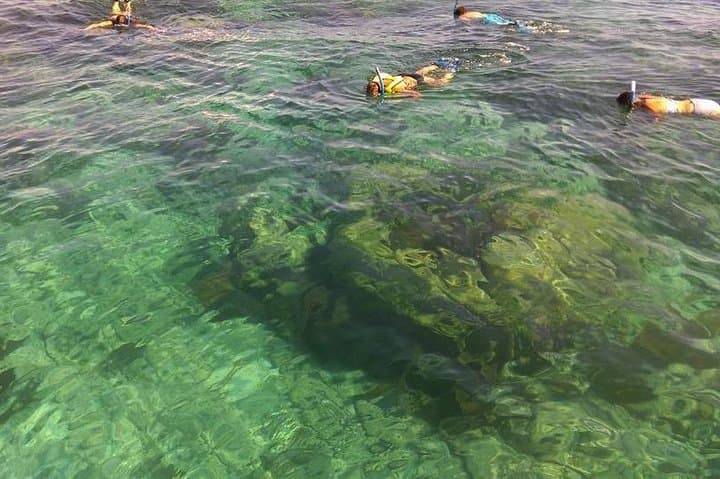
The boat eases off the dock and turquoise water immediately takes on personality — playful, bright, and curious — as the shoreline of Key Largo shrinks into a green ribbon. Within minutes the captain has the engine idling and a small group is fidgeting with masks while the Atlantic breathes around the hull. This is a private 3.5‑hour snorkel outing to John Pennekamp Coral Reef State Park: two reef locations, a chance to hover over living coral gardens, and close encounters with parrotfish, barracuda, sergeant majors and the famously photographed Christ of the Abyss statue.
The boat eases off the dock and turquoise water immediately takes on personality — playful, bright, and curious — as the shoreline of Key Largo shrinks into a green ribbon. Within minutes the captain has the engine idling and a small group is fidgeting with masks while the Atlantic breathes around the hull. This is a private 3.5‑hour snorkel outing to John Pennekamp Coral Reef State Park: two reef locations, a chance to hover over living coral gardens, and close encounters with parrotfish, barracuda, sergeant majors and the famously photographed Christ of the Abyss statue.
John Pennekamp was established in 1963 as the nation’s first undersea park, a move driven by conservationists who wanted to protect Florida’s nearshore reefs from damage. Geologically the reef is a rim of fossilized coral and limestone fringing the edge of the Florida Platform; currents and storms have sculpted ledges and coral heads into pockets that shelter schools of snapper and grazing Bermuda chubs. Culturally, the Keys are a working maritime landscape: charter skiffs, sportfishers, and state park vessels weave among markers that map both recreation and protection.
On a private tour, the rhythm is yours. Guides brief the group, fit snorkel gear (short wetsuits available), and set expectations for distance from fragile coral. The captain will anchor in two different reef sites chosen for conditions — often a shallow patch for easy viewing and a slightly deeper site near the submerged statue for dramatic photos. Expect gentle current in places; the guide’s job is to read it and position swimmers accordingly, letting the water push you over coral without contact.
Practicalities matter. Meet at Key Largo Resort Marina (between Holiday Inn and Skippers Dockside) 30 minutes before departure to sign waivers and get fitted. Trips include snacks, bottled water, soda and snorkel gear; an underwater camera is available aboard but you can bring your own. Minimum age is 5 and all participants must be able to swim. If you’re prone to seasickness, take preventative measures — the boat will run quietly but the channel can be choppy in a breeze.
Timing your outing for morning light improves visibility and calms surface chop. Bring reef‑safe sunscreen, a lightweight cover‑up, and a dry bag for your phone. Above all, treat the reef like an old city: fascinating to explore but fragile — look, float, photograph, don’t touch. On a good day the ocean rewards restraint with a gallery of color and motion: yellow‑striped snappers forming curtains, inquisitive stingrays slinking beneath you, and coral colonies that demand both respect and careful viewing.