THE ADVENTURE COLLECTIVE® · Independent discovery and booking for outdoor travel

Spend a focused 5.5 hours with an expert guide touring the National Museum of Natural History and the National Air & Space Museum. Navigate crowds, hit highlights like the Hope Diamond and the Wright Flyer, and learn the stories behind the objects.
Spend a focused 5.5 hours with an expert guide touring the National Museum of Natural History and the National Air & Space Museum. Navigate crowds, hit highlights like the Hope Diamond and the Wright Flyer, and learn the stories behind the objects.
Step off the Mall and into a day that moves from primordial bones to rocket-striped suits.
Verified experiences and guided adventures in the surrounding area.
Operated by Babylon Tours DC · Washington, District of Columbia
Step off the Mall and into a day that moves from primordial bones to rocket-striped suits.
Beginning on the broad steps of the Natural History Museum, the guide threads you past glass cases and under vaulted skylights until Henry the taxidermied elephant acknowledges your arrival. The route moves naturally from Hope Diamond and the Gem Hall’s cool light to the renovated Fossil Hall where a T. rex and mastodon loom like geological punctuation marks.
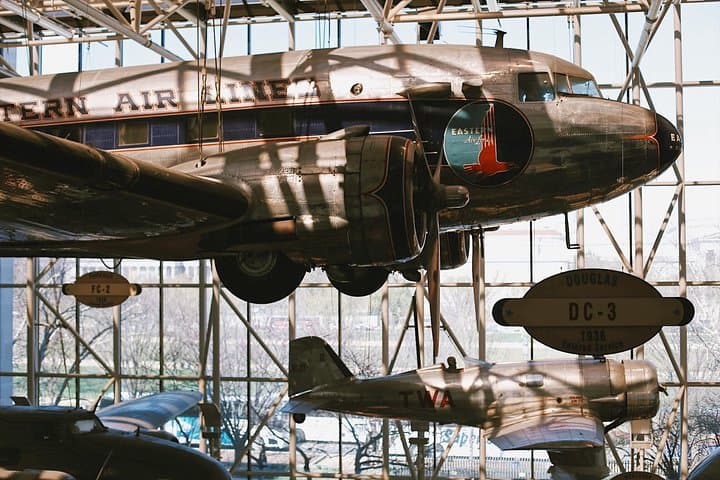
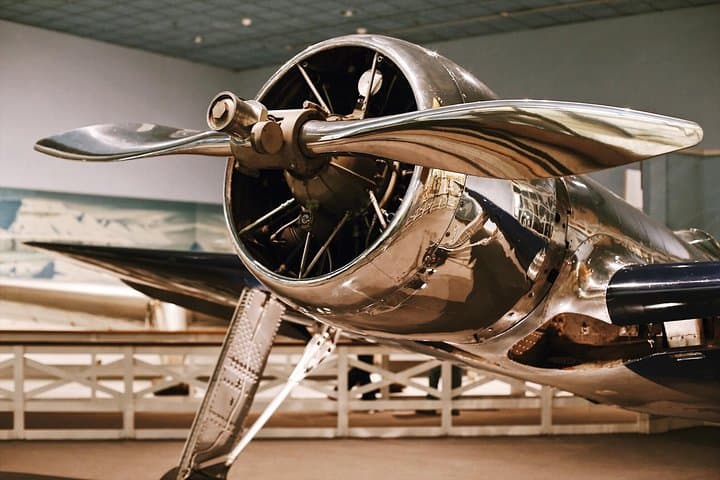
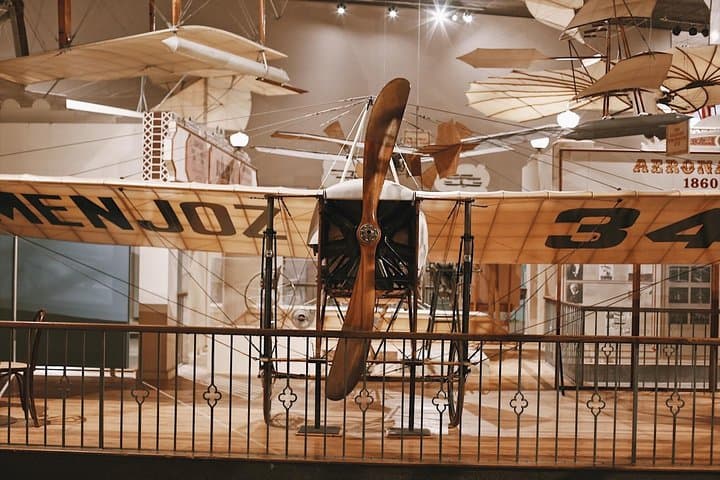
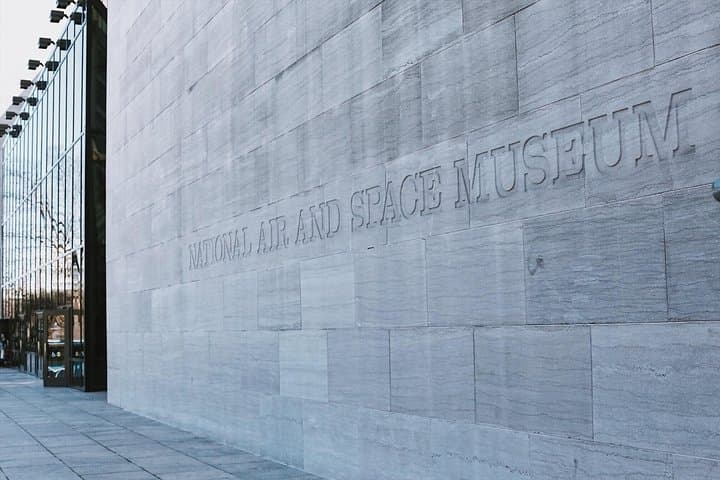
Crossing the Mall, the narrative shifts: the Wright Flyer’s fragile wing becomes a hinge to the Air & Space story—early flight experiments, golden-age airliners, and artifacts from lunar missions that show human curiosity folded into metal and fabric.
Both institutions sit on layers of history: the Smithsonian’s 19th-century founding from James Smithson’s bequest; the Mall itself, laid out by L’Enfant and continuously reshaped by civic purpose. The museums preserve geological time and technological leaps, but they also reflect Washington’s civic role as a repository of national memory.
Practical guidance is simple. Wear supportive shoes and carry a small daypack—you’ll be standing and walking for most of the 5.5-hour itinerary. Security screens and exhibit restrictions mean no large suitcases and occasional quiet zones where guides limit commentary. Expect crowds around headline objects; a private guide times entries and routes to minimize queueing but plan breaks for lunch and restroom stops.
For photographers, museum lighting is mixed—frame your shots, but be ready to put the camera away where rules require. Above all, let the objects do the talking: the fossils dare you to imagine deep time; the spacecraft push you to the edge of human ambition.
moderate.
5–6 hours.
Moderate—participants should be able to walk and stand for extended periods and manage stairs and ramps.
Admission to the Smithsonian museums is typically free; this tour covers guided commentary and navigation rather than paid tickets to special-ticketed exhibits.
Yes—both museums offer accessible routes and the tour notes wheelchair accessibility; inform the operator at booking about any mobility needs.
Small strollers are allowed; large backpacks and suitcases are prohibited by museum security—bring only small bags.
Museums occasionally close galleries without notice; guides will provide alternate highlights if a scheduled room is unavailable.
The Smithsonian Institution was founded in 1846 from British scientist James Smithson's bequest; its museums form one of the world’s largest research and exhibition complexes.
These museums use climate-controlled cases and strict handling protocols to preserve artifacts; limiting bag size and obeying exhibit signage reduces wear and security delays.
Babylon Tours DC operates guided outdoor trips and adventures with an emphasis on safety, stewardship, and memorable experiences.
Step off the Mall and into a day that moves from primordial bones to rocket-striped suits.
Step off the Mall and into a day that moves from primordial bones to rocket-striped suits.
Beginning on the broad steps of the Natural History Museum, the guide threads you past glass cases and under vaulted skylights until Henry the taxidermied elephant acknowledges your arrival. The route moves naturally from Hope Diamond and the Gem Hall’s cool light to the renovated Fossil Hall where a T. rex and mastodon loom like geological punctuation marks.
Crossing the Mall, the narrative shifts: the Wright Flyer’s fragile wing becomes a hinge to the Air & Space story—early flight experiments, golden-age airliners, and artifacts from lunar missions that show human curiosity folded into metal and fabric.
Both institutions sit on layers of history: the Smithsonian’s 19th-century founding from James Smithson’s bequest; the Mall itself, laid out by L’Enfant and continuously reshaped by civic purpose. The museums preserve geological time and technological leaps, but they also reflect Washington’s civic role as a repository of national memory.
Practical guidance is simple. Wear supportive shoes and carry a small daypack—you’ll be standing and walking for most of the 5.5-hour itinerary. Security screens and exhibit restrictions mean no large suitcases and occasional quiet zones where guides limit commentary. Expect crowds around headline objects; a private guide times entries and routes to minimize queueing but plan breaks for lunch and restroom stops.
For photographers, museum lighting is mixed—frame your shots, but be ready to put the camera away where rules require. Above all, let the objects do the talking: the fossils dare you to imagine deep time; the spacecraft push you to the edge of human ambition.