THE ADVENTURE COLLECTIVE® · Independent discovery and booking for outdoor travel

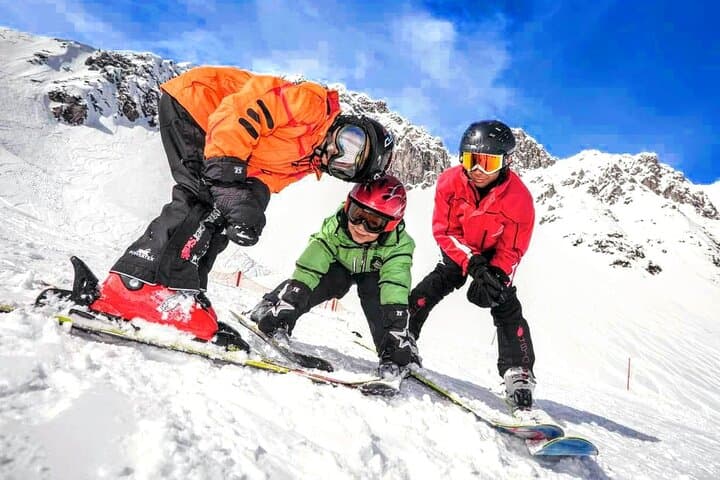
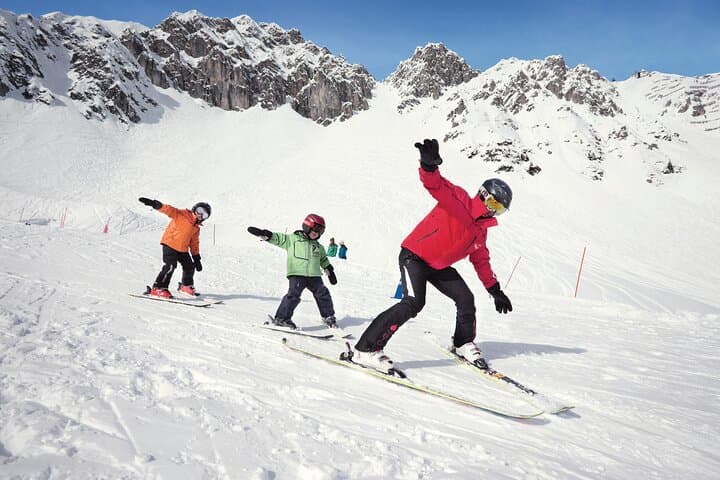
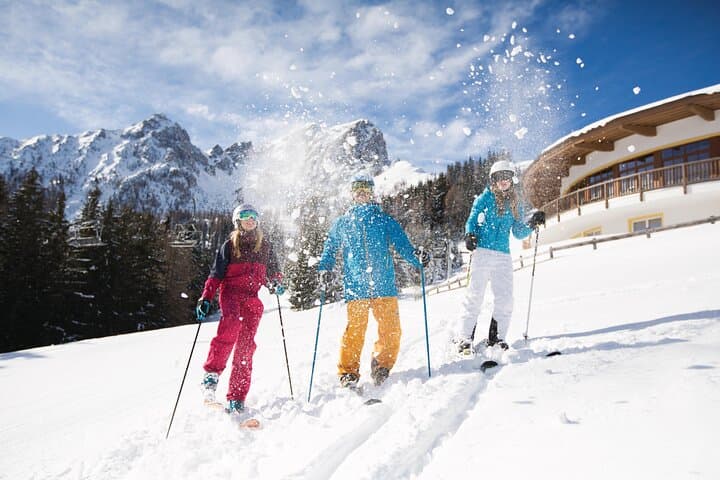
A private, full-day ski course with door-to-slope transfer from Munich offers intensive, personalized instruction on Austrian glacier terrain. Ideal for all levels, the program pairs dedicated coaching with flexible routing to Stubai, Kitzsteinhorn or Tux—rentals and lift passes not included.
A private, full-day ski course with door-to-slope transfer from Munich offers intensive, personalized instruction on Austrian glacier terrain. Ideal for all levels, the program pairs dedicated coaching with flexible routing to Stubai, Kitzsteinhorn or Tux—rentals and lift passes not included.
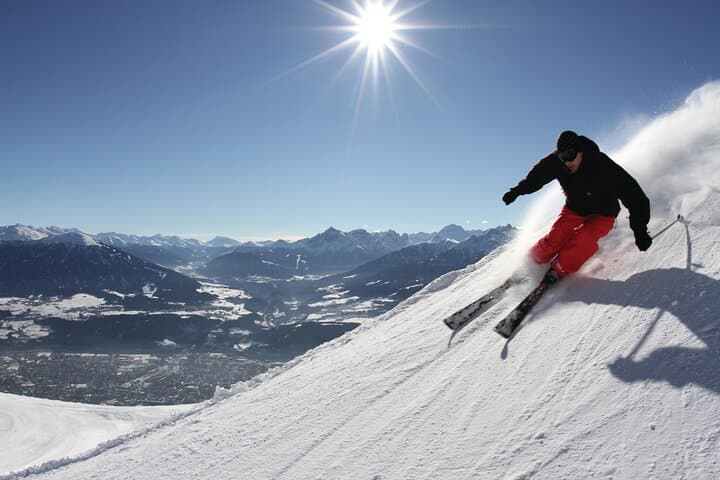
You step into a minivan at first light in Munich and the city shrinks behind you while the road yawns toward the Alps. Snowfields begin to appear on high ridges, and the air sharpens; the guide sorts out logistics while the instructor outlines the day. On arrival you feel the slope pull at your curiosity—glacier ice gleams like worked metal and wind dares you to move faster.
Verified experiences and guided adventures in the surrounding area.
Operated by Sightseeing Bavaria Exclusive · Munich, Bavaria
You step into a minivan at first light in Munich and the city shrinks behind you while the road yawns toward the Alps. Snowfields begin to appear on high ridges, and the air sharpens; the guide sorts out logistics while the instructor outlines the day. On arrival you feel the slope pull at your curiosity—glacier ice gleams like worked metal and wind dares you to move faster.
These Tyrolean glacier areas—places such as Stubai, Kitzsteinhorn and Tux—are products of alpine geology: hard gneiss and schist sculpted by millennia of snow and ice. The region’s ski culture grew in the 20th century around lift technology and summer glacier skiing, creating year-round training venues for learners and racers alike. Local mountain huts still serve hearty fare and regional hospitality between runs.
Practically, this private course bundles door-to-slope transfer, a dedicated instructor and adaptable teaching from beginner to expert. Expect roughly 9–10 hours total, with about 1–2 hours driving each way depending on destination. Rentals and lift passes are not included. Groups can request a second instructor for mixed abilities. The operator emphasizes COVID precautions, private transport and step-by-step progression: conveyor belts, rope lifts, then T-bars or chairs as skills and confidence grow.
Plan for strong sun, cold wind and changing snow; wear layered waterproof gear, protect exposed skin, and carry a small daypack with water and snacks. With focused coaching and sensible expectations, a single day can produce visible, lasting progress on both lower slopes and glacier runs.
moderate.
9–10 hours.
Moderate—able to stand, balance and make repeated short runs; beginners need basic coordination and stamina for a full day.
No—rental equipment and lift passes are usually extra; the operator can arrange rentals on request but the cost is not covered in the base price.
The provider promises measurable progress tailored to your starting level; specifics vary, so confirm expectations and what constitutes a ‘success’ before booking.
Pickup is offered from your specified address in Munich via a private minivan; specify your exact meeting point when booking.
Yes—this operator runs courses on glacier ski areas in summer; conditions change rapidly, so glacier days are scheduled only when snow cover is sufficient.
Tyrol’s organized ski culture grew around lift development and glacier training in the 20th century, making glaciers important year‑round training grounds.
Glacier areas are sensitive to warming—stay on marked slopes, avoid off-piste travel unless guided, and favor public transport or organized transfers to reduce impact.
Sightseeing Bavaria Exclusive operates guided outdoor trips and adventures with an emphasis on safety, stewardship, and memorable experiences.
You step into a minivan at first light in Munich and the city shrinks behind you while the road yawns toward the Alps. Snowfields begin to appear on high ridges, and the air sharpens; the guide sorts out logistics while the instructor outlines the day. On arrival you feel the slope pull at your curiosity—glacier ice gleams like worked metal and wind dares you to move faster.
You step into a minivan at first light in Munich and the city shrinks behind you while the road yawns toward the Alps. Snowfields begin to appear on high ridges, and the air sharpens; the guide sorts out logistics while the instructor outlines the day. On arrival you feel the slope pull at your curiosity—glacier ice gleams like worked metal and wind dares you to move faster.
These Tyrolean glacier areas—places such as Stubai, Kitzsteinhorn and Tux—are products of alpine geology: hard gneiss and schist sculpted by millennia of snow and ice. The region’s ski culture grew in the 20th century around lift technology and summer glacier skiing, creating year-round training venues for learners and racers alike. Local mountain huts still serve hearty fare and regional hospitality between runs.
Practically, this private course bundles door-to-slope transfer, a dedicated instructor and adaptable teaching from beginner to expert. Expect roughly 9–10 hours total, with about 1–2 hours driving each way depending on destination. Rentals and lift passes are not included. Groups can request a second instructor for mixed abilities. The operator emphasizes COVID precautions, private transport and step-by-step progression: conveyor belts, rope lifts, then T-bars or chairs as skills and confidence grow.
Plan for strong sun, cold wind and changing snow; wear layered waterproof gear, protect exposed skin, and carry a small daypack with water and snacks. With focused coaching and sensible expectations, a single day can produce visible, lasting progress on both lower slopes and glacier runs.