THE ADVENTURE COLLECTIVE® · Independent discovery and booking for outdoor travel

Spend a full day exploring Siwa Oasis’s salt lakes, the Oracle Temple, and the mud‑brick Shali fortress with a local guide. This private tour pairs archaeological sites with swims in buoyant salt basins and a sunset on Fatnas Island.
Spend a full day exploring Siwa Oasis’s salt lakes, the Oracle Temple, and the mud‑brick Shali fortress with a local guide. This private tour pairs archaeological sites with swims in buoyant salt basins and a sunset on Fatnas Island.
The day opens on pale desert that exhales heat and light; your private car winds toward a scatter of palms and stone where Siwa feels like a small, stubborn green island pushing up through sand. The guide, a local, points out mud-brick houses of Shali as if reading the town's lines—there’s grit in the mortar and centuries in the doorways.
Verified experiences and guided adventures in the surrounding area.
Operated by Windows of Siwa · Siwa, Matrouh Governorate
The day opens on pale desert that exhales heat and light; your private car winds toward a scatter of palms and stone where Siwa feels like a small, stubborn green island pushing up through sand. The guide, a local, points out mud-brick houses of Shali as if reading the town's lines—there’s grit in the mortar and centuries in the doorways.
Siwa sits at the western edge of Egypt’s Western Desert, a geologic pocket of freshwater springs and high-salinity basins carved by ancient groundwater and wind. The oasis was home to the Oracle of Amun; Alexander the Great is said to have sought counsel here. The landscape alternates palm groves, salt-coated lagoons that buoy swimmers, and low limestone ridges that hold pharaonic tombs and Greco-Roman burial chambers.
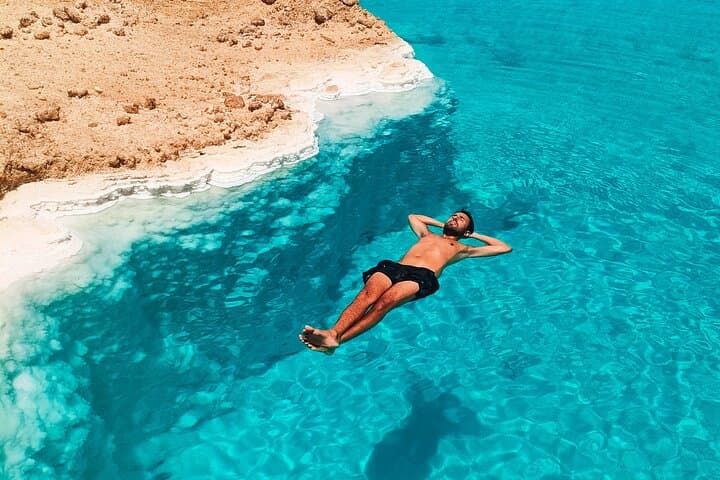
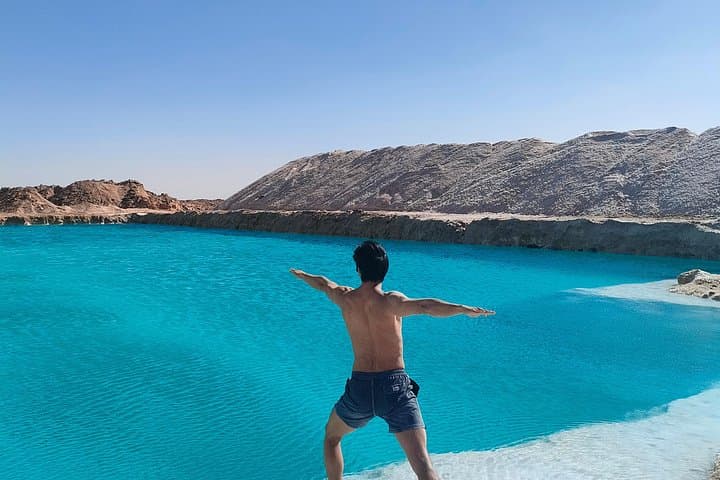
Culture is tactile: palm sugar, olive presses, and Berber-influenced architecture. The salt lakes dare you to float; the water pushes weightless and bright against the sky. At Dakrour Mountain, wind-scoured ledges give a clean view back to the scattered palms.
Practically, this is a long but accessible day (about 10–11 hours) by private vehicle with entrances and lunch included. Wear sturdy closed-toe shoes for Old Town and tomb approaches, bring sun protection and a quick-dry swimsuit for the salt lakes, and pack plenty of water despite bottled water being provided. Timing matters—visit archaeological sites in the cooler morning and save swimming for midday when the salt basins warm. Respect local customs around Dress and photography in villages. With local knowledge guiding your route, a single day in Siwa can cover archaeology, natural springs, and sunset on Fatnas Island without feeling rushed.
easy.
10–11 hours.
Suitable for most fitness levels; expect light walking and brief uneven terrain
The private full-day tour runs about 10–11 hours and includes a private car, English/Arabic guide, bottled water, snacks, lunch, and entry tickets to archaeological sites as listed.
Yes — the itinerary includes time to swim in selected salt basins; bring swimwear and expect very buoyant, saline water.
Yes; the tour notes infant seats are available and the activity level is easy, but plan for long travel times and desert heat.
Entry tickets to the archaeological sites and a local lunch are included in the tour price per the listing.
Siwa was an important spiritual center in antiquity—home to the Oracle of Amun visited by Alexander the Great—and has a layered history of Egyptian, Greek, and Amazigh (Siwan) culture.
The oasis is a fragile freshwater system; stick to marked paths, avoid littering, and minimize plastic use to protect springs and palm groves.
Windows of Siwa operates guided outdoor trips and adventures with an emphasis on safety, stewardship, and memorable experiences.
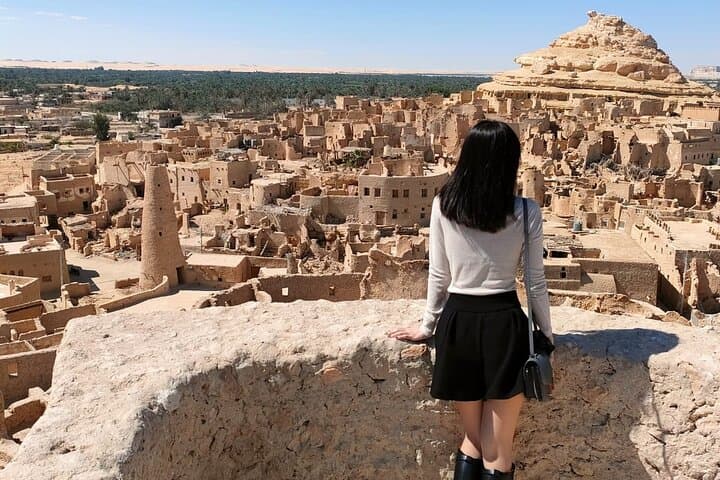
The day opens on pale desert that exhales heat and light; your private car winds toward a scatter of palms and stone where Siwa feels like a small, stubborn green island pushing up through sand. The guide, a local, points out mud-brick houses of Shali as if reading the town's lines—there’s grit in the mortar and centuries in the doorways.
The day opens on pale desert that exhales heat and light; your private car winds toward a scatter of palms and stone where Siwa feels like a small, stubborn green island pushing up through sand. The guide, a local, points out mud-brick houses of Shali as if reading the town's lines—there’s grit in the mortar and centuries in the doorways.
Siwa sits at the western edge of Egypt’s Western Desert, a geologic pocket of freshwater springs and high-salinity basins carved by ancient groundwater and wind. The oasis was home to the Oracle of Amun; Alexander the Great is said to have sought counsel here. The landscape alternates palm groves, salt-coated lagoons that buoy swimmers, and low limestone ridges that hold pharaonic tombs and Greco-Roman burial chambers.
Culture is tactile: palm sugar, olive presses, and Berber-influenced architecture. The salt lakes dare you to float; the water pushes weightless and bright against the sky. At Dakrour Mountain, wind-scoured ledges give a clean view back to the scattered palms.
Practically, this is a long but accessible day (about 10–11 hours) by private vehicle with entrances and lunch included. Wear sturdy closed-toe shoes for Old Town and tomb approaches, bring sun protection and a quick-dry swimsuit for the salt lakes, and pack plenty of water despite bottled water being provided. Timing matters—visit archaeological sites in the cooler morning and save swimming for midday when the salt basins warm. Respect local customs around Dress and photography in villages. With local knowledge guiding your route, a single day in Siwa can cover archaeology, natural springs, and sunset on Fatnas Island without feeling rushed.