THE ADVENTURE COLLECTIVE® · Independent discovery and booking for outdoor travel

Spend a day exploring Sintra’s palaces, the Atlantic cliffs of Cabo da Roca and the seaside charm of Cascais on a private guided circuit from Lisbon. This full-day route blends 19th-century Romantic architecture, rugged coastal geology and local coastal cuisine—ideal for travelers who want history and dramatic views in one itinerary.
Spend a day exploring Sintra’s palaces, the Atlantic cliffs of Cabo da Roca and the seaside charm of Cascais on a private guided circuit from Lisbon. This full-day route blends 19th-century Romantic architecture, rugged coastal geology and local coastal cuisine—ideal for travelers who want history and dramatic views in one itinerary.
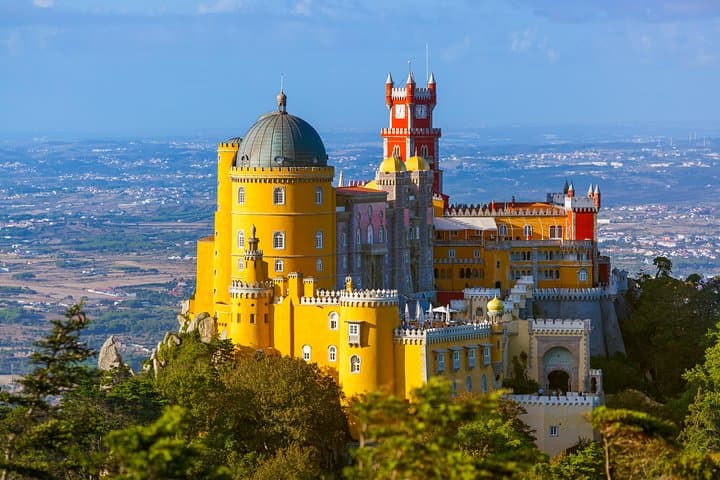
By midmorning the van slips up the green flank of Serra de Sintra and the world changes: the coastal plain below becomes a folded map of red-tiled roofs and ocean blue, while stone and forest climb around you. The group disembarks beneath the crenellated turrets of Pena Palace—19th-century Romanticism perching roughly 500–528 meters above the sea—its candy-colored façades throwing long shadows across mossy paths.
Verified experiences and guided adventures in the surrounding area.
Operated by Fantastic Ride · Sintra, Lisbon District
By midmorning the van slips up the green flank of Serra de Sintra and the world changes: the coastal plain below becomes a folded map of red-tiled roofs and ocean blue, while stone and forest climb around you. The group disembarks beneath the crenellated turrets of Pena Palace—19th-century Romanticism perching roughly 500–528 meters above the sea—its candy-colored façades throwing long shadows across mossy paths.
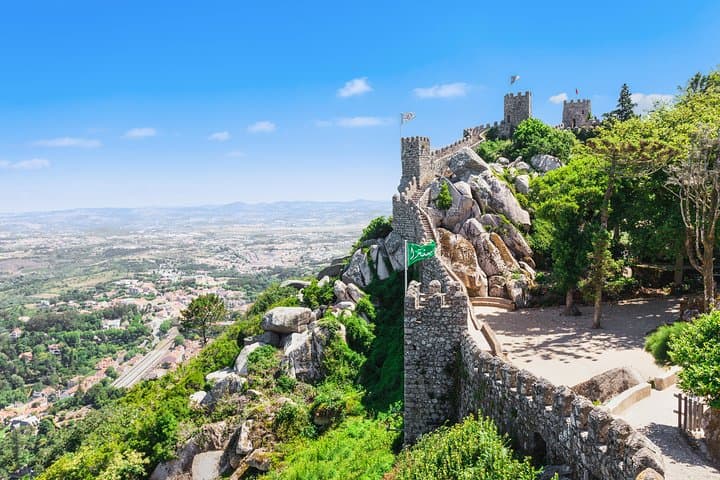
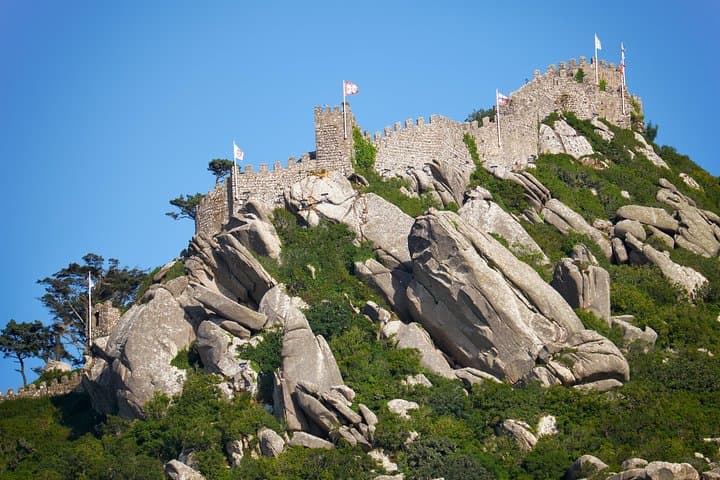
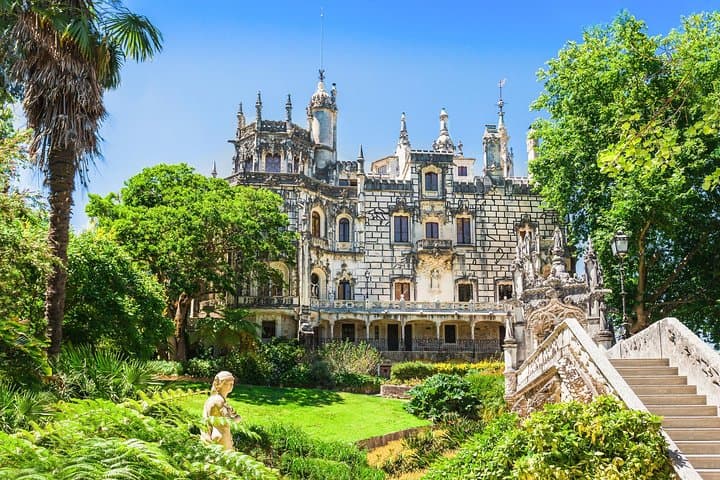
This is a day that reads like a condensed chapter of Portuguese history. Sintra was a royal refuge for centuries; its palaces and estates—Pena, the National Palace, the enigmatic Quinta da Regaleira—trace shifts in taste from medieval fortification to Romantic fantasy. The rocks here are older than the buildings: folded schists and granites carved by millennia of rain and wind, giving rise to the Serra’s steep ridgelines and the cliffs at Cabo da Roca, the westernmost point of continental Europe, sitting about 140–150 meters above the Atlantic.
A private guide threads those facts into stories—the 8th-century Moorish watchposts, Dom Fernando II’s 19th-century restorations, Carvalho Monteiro’s symbolic labyrinths at Regaleira—and then points you toward the next sightline. At Cabo da Roca the sea finally speaks: it smashes itself white against jagged limestone, recalls old sailors’ charts and a lighthouse that still marks this western edge. The drive down the coast delivers Cascais, once a sleepy fishing port turned fashionable seaside resort in the 19th century, now a compact town of promenades, seafood markets and the hollow roar at Boca do Inferno where surf has hollowed its signature inlet.
Practical notes slice through the romance. Expect a full 8–9 hour day: plan for roughly 3–4 hours of walking and short drives between sites; elevation gain at Pena is significant—stone stairs and trails can be steep. Bring confirmation and valid ID—the operator requires a passport on the day—reserve timed-entry tickets for Pena and Quinta da Regaleira to avoid long waits, and aim for an early pickup to beat the busiest hours in Sintra’s historic center.
Footwear and layers matter: shaded forest at higher altitudes can be cool and damp while the coast is wind‑blown and bright. Hydrate, keep a compact rain jacket handy, and leave extra time for a seaside lunch in Cascais—fresh fish and shellfish are regional strong suits. For travelers who want concentrated history, dramatic geology and Atlantic coastlines in a single day, this private circuit remains one of the clearest ways to read the region’s past and present in situ.
moderate.
8–9 hours.
Suitable for travelers who can handle several hours of walking with stair climbs and short uneven sections; basic mobility required for some steep paths.
The private tour runs approximately 8–9 hours, depending on pickup location and traffic.
Entrance to Pena Palace and Quinta da Regaleira is not included—buy timed tickets in advance or ask the operator to add them.
Yes—private pickup from Lisbon-area accommodations is offered; confirm your exact pickup point when booking.
The tour is wheelchair-accessible for transportation, but palace grounds and cliff viewpoints include stairs and uneven terrain that may be challenging for some; consult the operator for accommodations.
Bring a passport (required), comfortable shoes, layers, sunscreen, a refillable water bottle and any timed-entry confirmations.
This is a private tour and can be adjusted subject to time and agreed stops—discuss preferences with the operator at booking.
Sintra’s palaces reflect layers of Portuguese history from Moorish fortifications to 19th-century Romantic royal projects; Cabo da Roca was historically an important navigation point for Atlantic shipping.
The route passes through Parque Natural de Sintra-Cascais—stick to marked trails, avoid disturbing nesting birds and support local businesses to minimize visitor impact.
Fantastic Ride operates guided outdoor trips and adventures with an emphasis on safety, stewardship, and memorable experiences.
By midmorning the van slips up the green flank of Serra de Sintra and the world changes: the coastal plain below becomes a folded map of red-tiled roofs and ocean blue, while stone and forest climb around you. The group disembarks beneath the crenellated turrets of Pena Palace—19th-century Romanticism perching roughly 500–528 meters above the sea—its candy-colored façades throwing long shadows across mossy paths.
By midmorning the van slips up the green flank of Serra de Sintra and the world changes: the coastal plain below becomes a folded map of red-tiled roofs and ocean blue, while stone and forest climb around you. The group disembarks beneath the crenellated turrets of Pena Palace—19th-century Romanticism perching roughly 500–528 meters above the sea—its candy-colored façades throwing long shadows across mossy paths.
This is a day that reads like a condensed chapter of Portuguese history. Sintra was a royal refuge for centuries; its palaces and estates—Pena, the National Palace, the enigmatic Quinta da Regaleira—trace shifts in taste from medieval fortification to Romantic fantasy. The rocks here are older than the buildings: folded schists and granites carved by millennia of rain and wind, giving rise to the Serra’s steep ridgelines and the cliffs at Cabo da Roca, the westernmost point of continental Europe, sitting about 140–150 meters above the Atlantic.
A private guide threads those facts into stories—the 8th-century Moorish watchposts, Dom Fernando II’s 19th-century restorations, Carvalho Monteiro’s symbolic labyrinths at Regaleira—and then points you toward the next sightline. At Cabo da Roca the sea finally speaks: it smashes itself white against jagged limestone, recalls old sailors’ charts and a lighthouse that still marks this western edge. The drive down the coast delivers Cascais, once a sleepy fishing port turned fashionable seaside resort in the 19th century, now a compact town of promenades, seafood markets and the hollow roar at Boca do Inferno where surf has hollowed its signature inlet.
Practical notes slice through the romance. Expect a full 8–9 hour day: plan for roughly 3–4 hours of walking and short drives between sites; elevation gain at Pena is significant—stone stairs and trails can be steep. Bring confirmation and valid ID—the operator requires a passport on the day—reserve timed-entry tickets for Pena and Quinta da Regaleira to avoid long waits, and aim for an early pickup to beat the busiest hours in Sintra’s historic center.
Footwear and layers matter: shaded forest at higher altitudes can be cool and damp while the coast is wind‑blown and bright. Hydrate, keep a compact rain jacket handy, and leave extra time for a seaside lunch in Cascais—fresh fish and shellfish are regional strong suits. For travelers who want concentrated history, dramatic geology and Atlantic coastlines in a single day, this private circuit remains one of the clearest ways to read the region’s past and present in situ.