THE ADVENTURE COLLECTIVE® · Independent discovery and booking for outdoor travel

Spend a private day exploring Sintra’s palace gardens and Cascais’ seaside charm on a tailored tour from Lisbon. From Pena Palace’s chromatic turrets to the windswept cliffs of Cabo da Roca, this full‑day experience blends history, dramatic geology and local flavor.
Spend a private day exploring Sintra’s palace gardens and Cascais’ seaside charm on a tailored tour from Lisbon. From Pena Palace’s chromatic turrets to the windswept cliffs of Cabo da Roca, this full‑day experience blends history, dramatic geology and local flavor.
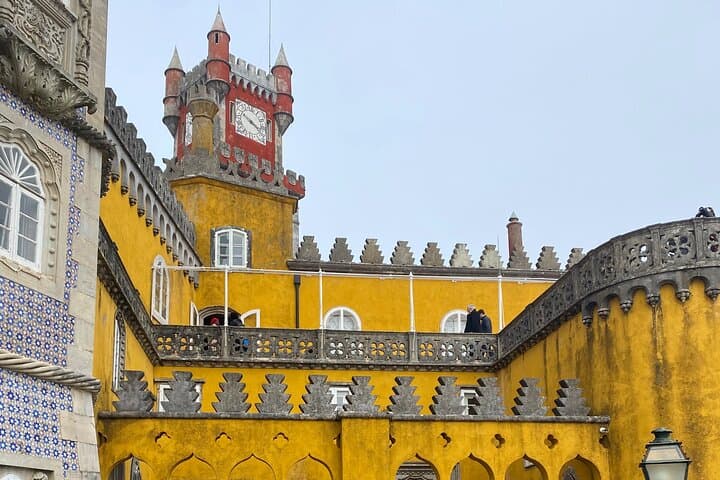
The driver eases the car up the winding serpentine into the Sintra hills as fog peels away like a curtain, revealing the candy‑colored turrets of Pena Palace stacked against a blue sky. Your guide opens a door with the casual authority of someone who has read these stones, and for the next seven hours the day unfolds like a curated passage through Portugal’s collision of sea, rock and royal ambition.
Verified experiences and guided adventures in the surrounding area.
Operated by The Grand Lisbon Tour · Sintra, Lisbon District
The driver eases the car up the winding serpentine into the Sintra hills as fog peels away like a curtain, revealing the candy‑colored turrets of Pena Palace stacked against a blue sky. Your guide opens a door with the casual authority of someone who has read these stones, and for the next seven hours the day unfolds like a curated passage through Portugal’s collision of sea, rock and royal ambition.
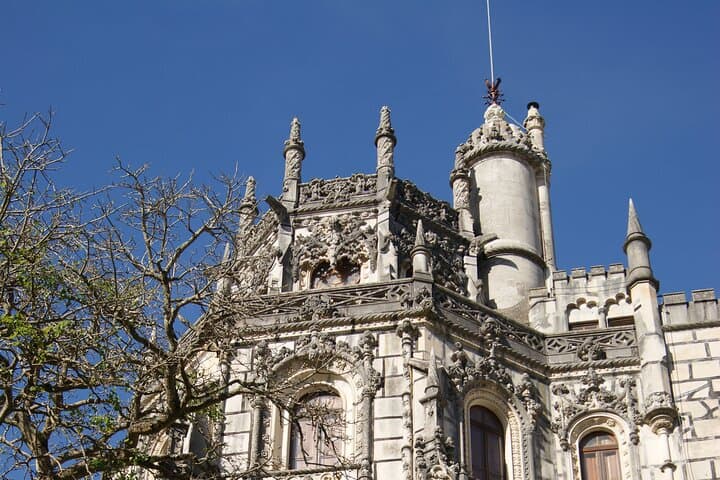
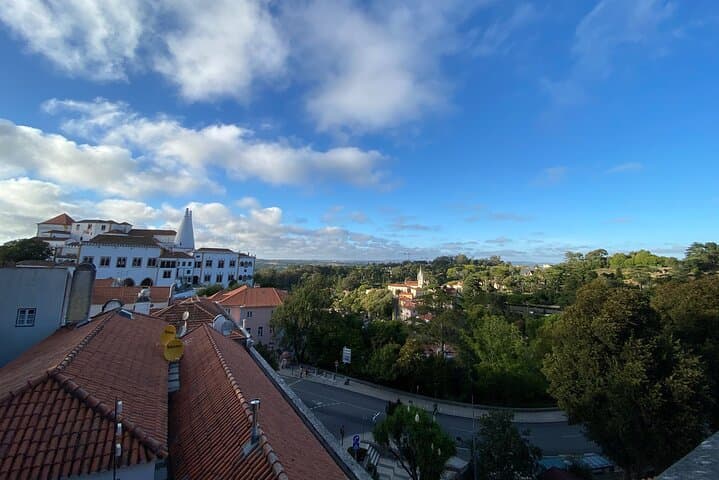
Sintra’s microclimate—moist Atlantic air caught on the Serra de Sintra—allowed monarchs and eccentrics to plant exotic gardens and build palaces that mix Moorish arches, romantic battlements and Gothic façades. Pena Palace itself began as a monastery and became the 19th‑century love project of King Ferdinand II. Close by, Quinta da Regaleira hides initiation wells and Masonic symbolism; Monserrate opens into exotic plantings imported during the age of empire.
After the hillside palaces, the coastline reclaims the scene. Cabo da Roca, the westernmost point of continental Europe, is where wind has shaped the cliffs and Atlantic swells keep a constant pulse—salt and spray daring you to step closer. The drive down to Cascais trades clifftop drama for the friendly geometry of a fishing town turned resort. Cobbled lanes lead to seafood restaurants and small shops selling eggshell‑thin travesseiros and queijadas, pastries that are as much a local rite as an afternoon stroll.
Culturally, the area reflects layers: Roman roads, Moorish influence, and the 19th‑century aristocratic fashion for landscaped pleasure. The coastline still remembers maritime trade and the fishermen who read currents the same way guides read weather—quickly and with respect.
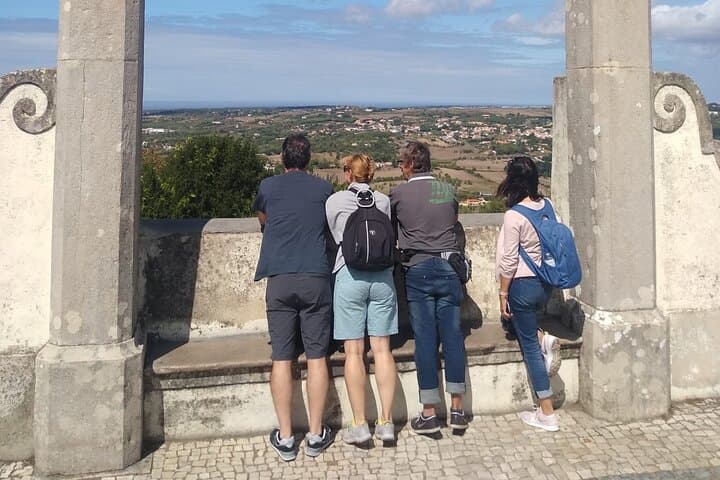
Practicalities are simple: this is a private, full‑day experience (7–8 hours) with hotel pickup in Lisbon, an English‑speaking guide, and an air‑conditioned vehicle. Plan for hills and steps—good footwear, sun protection and comfortable layers will keep you focused on the views rather than the climb. Admission to major palaces is not included by default, so bring reservation windows or ask your guide to secure skip‑the‑line access.
Timing matters: start early to avoid tour buses at Pena and save the coast for late afternoon light. Lunch is flexible—your guide will recommend local menus focused on grilled fish and seasonal produce. Bring a small daypack, a charged camera and an appetite for contrast: leafy mountain follies in the morning, Atlantic wind and pastel ice cream in the evening. The day is tailored to pace and interest, which means whether you want to linger in a garden grotto or walk a windswept cliff, the route bends to you.
By the time the van returns to Lisbon, you’ll have a compact, layered sense of why this stretch of Portugal has inspired poets and painters: a landscape that moves, speaks, and insists you look a little closer.
easy.
7–8 hours.
Suitable for travelers in average physical condition; involves walking on uneven surfaces, stairs and short uphill sections.
Admissions are typically not included; you can buy tickets in advance or ask the guide to arrange skip‑the‑line access when available.
Pickup and drop‑off are offered from Lisbon hotels or a central meeting point; confirm your pickup location at booking.
Yes—infant seats are available and the tour is family‑friendly, though some steep paths may be challenging for very young children.
Yes—this private tour is tailored to your interests and pace; discuss priorities with your guide at the start.
Lunch is at a recommended local restaurant of your choice; guides can suggest options and accommodate dietary restrictions.
The operator may cancel for heavy rain or unsafe coastal conditions with a full refund if within the cancellation policy window.
Sintra rose to prominence in the 19th century when European royalty and aristocrats transformed the hills into romantic estates, blending national history with eclectic architecture.
The Serra de Sintra is a protected landscape; visitors are asked to stick to marked paths to protect fragile soils and introduced botanical specimens.
The Grand Lisbon Tour operates guided outdoor trips and adventures with an emphasis on safety, stewardship, and memorable experiences.
The driver eases the car up the winding serpentine into the Sintra hills as fog peels away like a curtain, revealing the candy‑colored turrets of Pena Palace stacked against a blue sky. Your guide opens a door with the casual authority of someone who has read these stones, and for the next seven hours the day unfolds like a curated passage through Portugal’s collision of sea, rock and royal ambition.
The driver eases the car up the winding serpentine into the Sintra hills as fog peels away like a curtain, revealing the candy‑colored turrets of Pena Palace stacked against a blue sky. Your guide opens a door with the casual authority of someone who has read these stones, and for the next seven hours the day unfolds like a curated passage through Portugal’s collision of sea, rock and royal ambition.
Sintra’s microclimate—moist Atlantic air caught on the Serra de Sintra—allowed monarchs and eccentrics to plant exotic gardens and build palaces that mix Moorish arches, romantic battlements and Gothic façades. Pena Palace itself began as a monastery and became the 19th‑century love project of King Ferdinand II. Close by, Quinta da Regaleira hides initiation wells and Masonic symbolism; Monserrate opens into exotic plantings imported during the age of empire.
After the hillside palaces, the coastline reclaims the scene. Cabo da Roca, the westernmost point of continental Europe, is where wind has shaped the cliffs and Atlantic swells keep a constant pulse—salt and spray daring you to step closer. The drive down to Cascais trades clifftop drama for the friendly geometry of a fishing town turned resort. Cobbled lanes lead to seafood restaurants and small shops selling eggshell‑thin travesseiros and queijadas, pastries that are as much a local rite as an afternoon stroll.
Culturally, the area reflects layers: Roman roads, Moorish influence, and the 19th‑century aristocratic fashion for landscaped pleasure. The coastline still remembers maritime trade and the fishermen who read currents the same way guides read weather—quickly and with respect.
Practicalities are simple: this is a private, full‑day experience (7–8 hours) with hotel pickup in Lisbon, an English‑speaking guide, and an air‑conditioned vehicle. Plan for hills and steps—good footwear, sun protection and comfortable layers will keep you focused on the views rather than the climb. Admission to major palaces is not included by default, so bring reservation windows or ask your guide to secure skip‑the‑line access.
Timing matters: start early to avoid tour buses at Pena and save the coast for late afternoon light. Lunch is flexible—your guide will recommend local menus focused on grilled fish and seasonal produce. Bring a small daypack, a charged camera and an appetite for contrast: leafy mountain follies in the morning, Atlantic wind and pastel ice cream in the evening. The day is tailored to pace and interest, which means whether you want to linger in a garden grotto or walk a windswept cliff, the route bends to you.
By the time the van returns to Lisbon, you’ll have a compact, layered sense of why this stretch of Portugal has inspired poets and painters: a landscape that moves, speaks, and insists you look a little closer.