THE ADVENTURE COLLECTIVE® · Independent discovery and booking for outdoor travel

A private half-day around Siem Reap blends recent history with living craft: start at the War Museum and Wat Thmei, watch artisans at work, then practice your bartering at Old Market. Practical tips and cultural context keep the day informative and respectful.
A private half-day around Siem Reap blends recent history with living craft: start at the War Museum and Wat Thmei, watch artisans at work, then practice your bartering at Old Market. Practical tips and cultural context keep the day informative and respectful.
You step from the car into a warm, sunlit street of Siem Reap and the city greets you with motorcycles threading between trees and temple spires slicing the skyline. The day moves from a sobering museum courtyard, where rusted tanks and small plaques point to recent trauma, to the quiet geometry of Wat Thmei’s memorial stupa and the polished calm of artisan workshops where hands coax lacquer and stone into form.
Verified experiences and guided adventures in the surrounding area.
Operated by Tour Guide-Siem Reap · Siem Reap, Siem Reap Province
You step from the car into a warm, sunlit street of Siem Reap and the city greets you with motorcycles threading between trees and temple spires slicing the skyline. The day moves from a sobering museum courtyard, where rusted tanks and small plaques point to recent trauma, to the quiet geometry of Wat Thmei’s memorial stupa and the polished calm of artisan workshops where hands coax lacquer and stone into form.
Siem Reap sits on the floodplain north of the Tonlé Sap and was the gateway to the Angkorian capitals from the 9th–13th centuries; the city’s modern pulse was shaped in the late 20th century by conflict and recovery. The War Museum and Wat Thmei offer direct context for Cambodia’s recent history, while Artisans d’Angkor connects visitors to a craft revival rooted in precolonial techniques. Old Market (Phsar Chas) is an everyday stage—sellers, spices, textiles—where bartering still matters.
Practical guidance: this private tour runs about 3–4 hours with hotel pickup and light walking on paved and uneven surfaces. Temperatures can be high; bring water and a hat. Dress respectfully for religious sites (shoulders and knees covered). Expect some admissions included and others not—confirm with your operator before arrival. Allow extra time if you want to linger at Artisans d’Angkor or test your bargaining skills at the market. The route is accessible by vehicle, and a private guide will contextualize what you see so you get history alongside the sights.
easy.
3–4 hours.
Suitable for most fitness levels; involves short walks on paved and uneven surfaces and brief periods of standing.
Some sites on the itinerary include admission while others do not; confirm which entrances are covered with your operator when booking—expect the War Museum and Wat Thmei may require separate fees.
The tour provides wheelchair-accessible transportation and most locations have accessible surfaces, but some historic temple areas have steps—notify the operator at booking to arrange accommodations.
Private tours commonly offer English-speaking guides; request your preferred language when booking and the operator will confirm availability.
Tipping is appreciated but not mandatory; typical tips are modest—around 3–10 USD per person for the guide depending on service, with a smaller amount for the driver.
Siem Reap’s modern identity traces to the Angkorian capitals and was sharply affected by the Khmer Rouge era in the 1970s; sites like Wat Thmei and the War Museum document those more recent chapters.
Support local craft workshops and regulated guides to ensure tourism revenue benefits communities; avoid buying goods made from endangered wildlife products and minimize plastic use.
Tour Guide-Siem Reap operates guided outdoor trips and adventures with an emphasis on safety, stewardship, and memorable experiences.
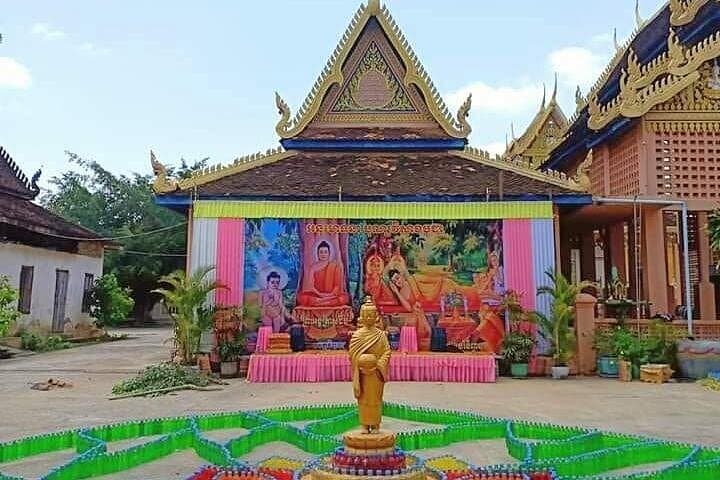
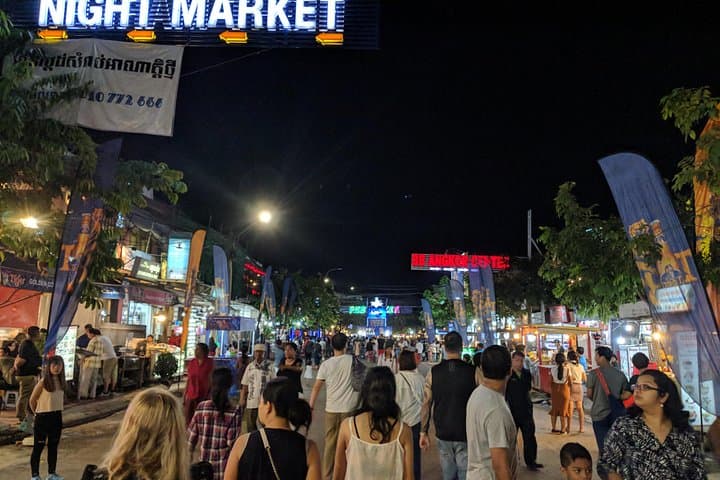
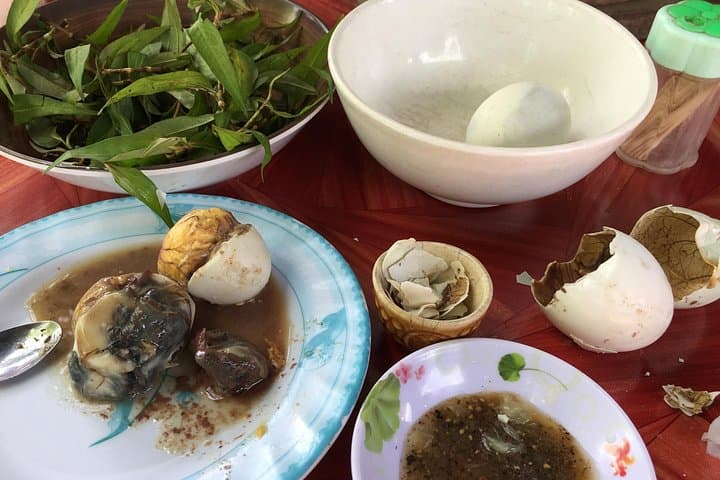
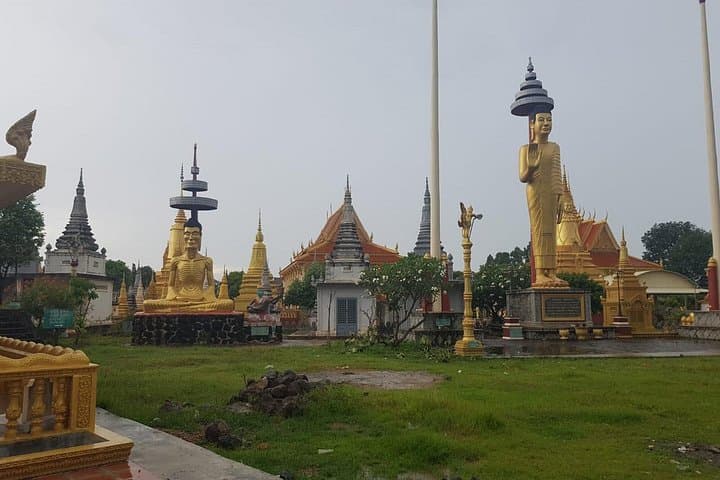
You step from the car into a warm, sunlit street of Siem Reap and the city greets you with motorcycles threading between trees and temple spires slicing the skyline. The day moves from a sobering museum courtyard, where rusted tanks and small plaques point to recent trauma, to the quiet geometry of Wat Thmei’s memorial stupa and the polished calm of artisan workshops where hands coax lacquer and stone into form.
You step from the car into a warm, sunlit street of Siem Reap and the city greets you with motorcycles threading between trees and temple spires slicing the skyline. The day moves from a sobering museum courtyard, where rusted tanks and small plaques point to recent trauma, to the quiet geometry of Wat Thmei’s memorial stupa and the polished calm of artisan workshops where hands coax lacquer and stone into form.
Siem Reap sits on the floodplain north of the Tonlé Sap and was the gateway to the Angkorian capitals from the 9th–13th centuries; the city’s modern pulse was shaped in the late 20th century by conflict and recovery. The War Museum and Wat Thmei offer direct context for Cambodia’s recent history, while Artisans d’Angkor connects visitors to a craft revival rooted in precolonial techniques. Old Market (Phsar Chas) is an everyday stage—sellers, spices, textiles—where bartering still matters.
Practical guidance: this private tour runs about 3–4 hours with hotel pickup and light walking on paved and uneven surfaces. Temperatures can be high; bring water and a hat. Dress respectfully for religious sites (shoulders and knees covered). Expect some admissions included and others not—confirm with your operator before arrival. Allow extra time if you want to linger at Artisans d’Angkor or test your bargaining skills at the market. The route is accessible by vehicle, and a private guide will contextualize what you see so you get history alongside the sights.