THE ADVENTURE COLLECTIVE® · Independent discovery and booking for outdoor travel

From the Red Sea port of Aqaba you can reach Petra in a single, sweeping day. This shore excursion pairs a long scenic transfer with a guided tour of the Siq, the Treasury, Royal Tombs and a brief hour of free time to explore or eat.
From the Red Sea port of Aqaba you can reach Petra in a single, sweeping day. This shore excursion pairs a long scenic transfer with a guided tour of the Siq, the Treasury, Royal Tombs and a brief hour of free time to explore or eat.
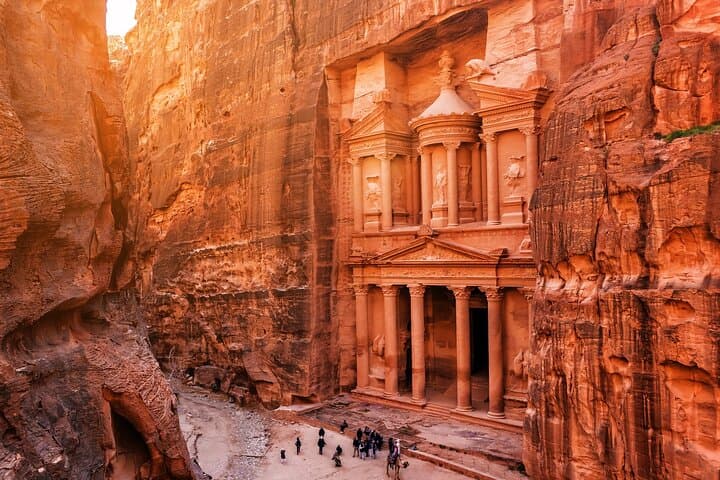
The road from Aqaba to Petra pulls you away from the Red Sea into a landscape of ochre ridges and wind-swept desert that seems to fold itself open with every kilometer. By the time the cliffs of Wadi Musa appear, the canyon throat of the Siq is already announcing the ancient city—rock faces narrowing like a theatre curtain before the Treasury reveals itself in the muted light.
Verified experiences and guided adventures in the surrounding area.
Operated by taxiGo DMC · Wadi Musa, Ma'an Governorate
The road from Aqaba to Petra pulls you away from the Red Sea into a landscape of ochre ridges and wind-swept desert that seems to fold itself open with every kilometer. By the time the cliffs of Wadi Musa appear, the canyon throat of the Siq is already announcing the ancient city—rock faces narrowing like a theatre curtain before the Treasury reveals itself in the muted light.
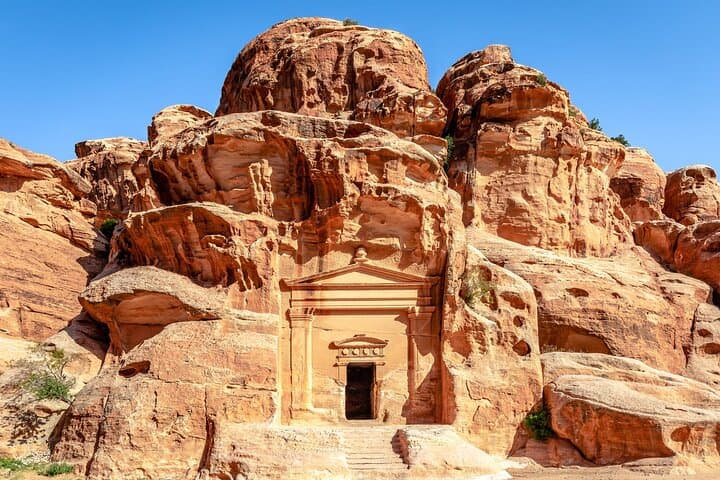
Petra was the capital of the Nabateans, a trading people who carved monumental facades from sandstone two millennia ago. Geologically, the rose-red cliffs are layers of sedimentary sandstone, their banding and erosional patterns shaped by wind and rare rains—features that give Petra both its color and fragility. The site blends human craft with stark desert processes; you walk along ancient colonnaded streets, pass royal tombs carved into cliffs, and stand before Qasr al-Bint, a durable echo of Nabatean civic life.
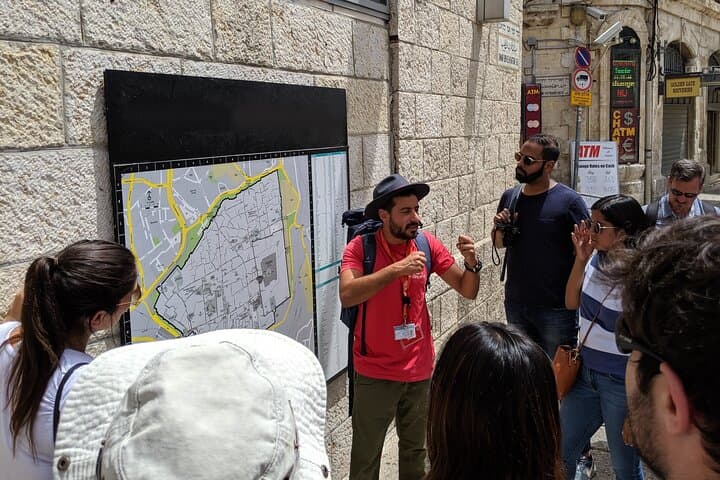
On a shore excursion, expect a guided, tightly paced visit: the Siq’s narrow passage, a photo stop at Al-Khazneh (the Treasury), and a curated sweep of the major monuments with about an hour free for lunch or shopping.
Practical notes: the transfer from Aqaba is a substantial drive (allow 2–3 hours each way depending on traffic), so travel windows are firm. Wear sturdy walking shoes for uneven flagstones, carry at least 1.5 liters of water, and bring sun protection—shade is scarce. Cash for local vendors and modest gratuities helps keep the local economy humming. Timed well, a shore day here is a compact, unforgettable crash course in Jordan’s geology and ancient engineering.
moderate.
8 hours (full day shore excursion).
Suitable for travelers who can manage 1–3 miles of walking on uneven ground and short stair sections; ability to climb modest inclines helps.
Entrance tickets are generally not included unless explicitly stated—confirm with your operator and be prepared to purchase tickets at the site or in advance.
Expect roughly 2–3 hours each way depending on traffic and port logistics; shore tour timing is coordinated to match ship schedules.
Yes—infant seats can be provided in vehicles, but note the walking and sun exposure; plan breaks and shade time for small children.
You’ll typically get about one hour of free time for a quick meal or shopping; extensive dining or shopping may not be feasible on a tight shore schedule.
Petra was a Nabatean capital and trading hub from the 1st century BCE, known for its rock-cut architecture and hydraulic engineering that controlled scarce desert water.
Petra’s sandstone faces are sensitive to erosion and foot traffic—stick to marked paths and avoid touching fragile carvings to help preserve the site.
taxiGo DMC operates guided outdoor trips and adventures with an emphasis on safety, stewardship, and memorable experiences.

The road from Aqaba to Petra pulls you away from the Red Sea into a landscape of ochre ridges and wind-swept desert that seems to fold itself open with every kilometer. By the time the cliffs of Wadi Musa appear, the canyon throat of the Siq is already announcing the ancient city—rock faces narrowing like a theatre curtain before the Treasury reveals itself in the muted light.
The road from Aqaba to Petra pulls you away from the Red Sea into a landscape of ochre ridges and wind-swept desert that seems to fold itself open with every kilometer. By the time the cliffs of Wadi Musa appear, the canyon throat of the Siq is already announcing the ancient city—rock faces narrowing like a theatre curtain before the Treasury reveals itself in the muted light.
Petra was the capital of the Nabateans, a trading people who carved monumental facades from sandstone two millennia ago. Geologically, the rose-red cliffs are layers of sedimentary sandstone, their banding and erosional patterns shaped by wind and rare rains—features that give Petra both its color and fragility. The site blends human craft with stark desert processes; you walk along ancient colonnaded streets, pass royal tombs carved into cliffs, and stand before Qasr al-Bint, a durable echo of Nabatean civic life.
On a shore excursion, expect a guided, tightly paced visit: the Siq’s narrow passage, a photo stop at Al-Khazneh (the Treasury), and a curated sweep of the major monuments with about an hour free for lunch or shopping.
Practical notes: the transfer from Aqaba is a substantial drive (allow 2–3 hours each way depending on traffic), so travel windows are firm. Wear sturdy walking shoes for uneven flagstones, carry at least 1.5 liters of water, and bring sun protection—shade is scarce. Cash for local vendors and modest gratuities helps keep the local economy humming. Timed well, a shore day here is a compact, unforgettable crash course in Jordan’s geology and ancient engineering.