THE ADVENTURE COLLECTIVE® · Independent discovery and booking for outdoor travel

Explore the UNESCO-listed Hue Imperial City on a private shore excursion that pairs a dragon-boat cruise on the Perfume River with imperial citadels and royal tombs. Expect guided history, river views, and practical tips for walking and heat management.
Explore the UNESCO-listed Hue Imperial City on a private shore excursion that pairs a dragon-boat cruise on the Perfume River with imperial citadels and royal tombs. Expect guided history, river views, and practical tips for walking and heat management.
You step off the tender into humid river air and the Huong (Perfume) River immediately frames the day — brown water moving like a slow decision, temples and tree-lined banks sliding by as the dragon boat nudges shore.
Verified experiences and guided adventures in the surrounding area.
Operated by Maximus Travel Vietnam · Hue, Thua Thien-Hue
You step off the tender into humid river air and the Huong (Perfume) River immediately frames the day — brown water moving like a slow decision, temples and tree-lined banks sliding by as the dragon boat nudges shore.
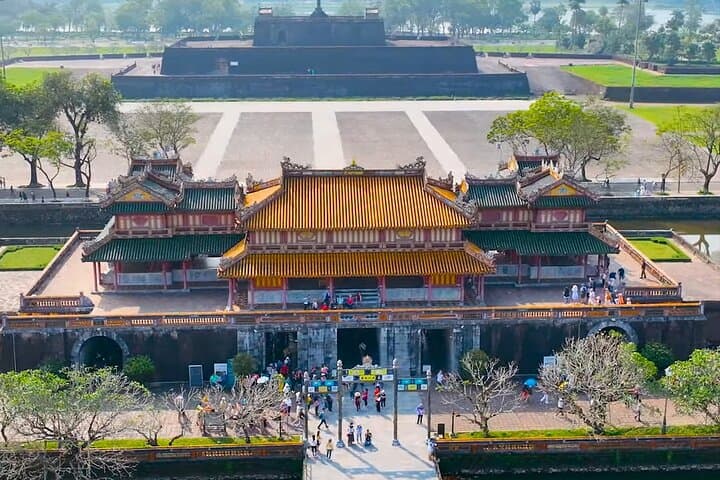
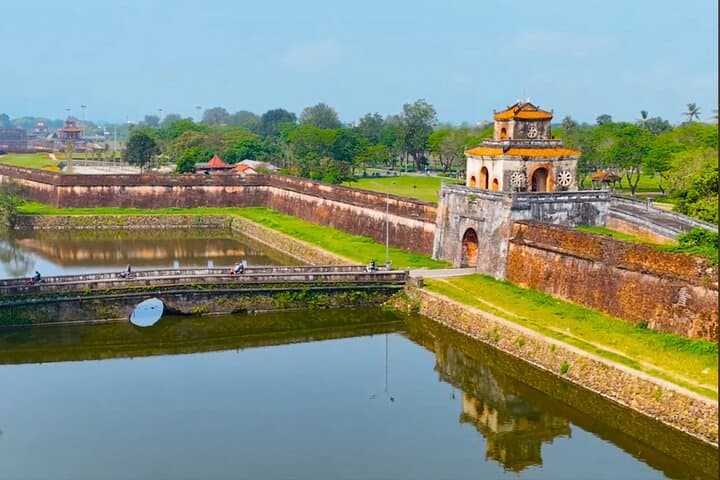
Hue’s Imperial City was the political heart of the Nguyen Dynasty from 1805 to 1945. The walled citadel and Forbidden Purple City are large stone and timber compounds shaped by imperial ritual, French colonial scars, and restorations since wartime damage. Geologically, the flat, alluvial plain of central Vietnam gives way to low hills where later royal tombs and Khai Dinh’s elaborate mausoleum perch; the stone and tile choices reflect local sandstone and imported materials from the colonial era.
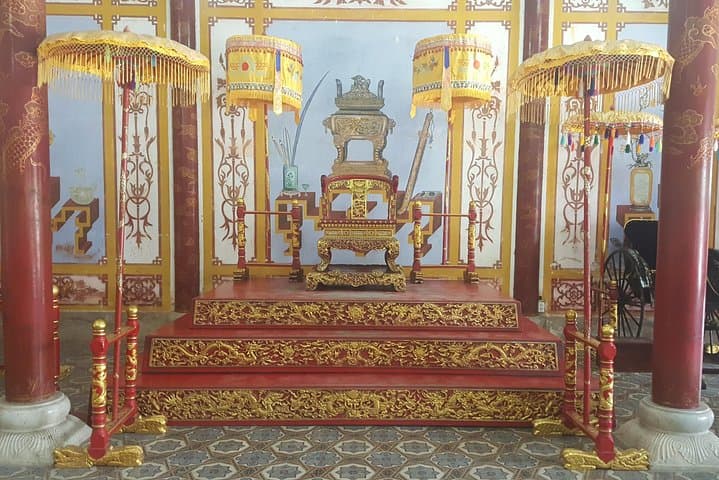
Culturally, expect incense, lacquered gates, and lacquer-wood craftsmanship in small workshops. The dragon-boat cruise on the Huong River echoes traditions once reserved for court processions and now offers practical passage and a vantage for Thien Mu Pagoda’s seven-story tower.
Practical guidance: this private shore excursion runs long (about 7–12 hours) and involves cobbled surfaces, temple steps and short transfers to tombs outside the city. Wear sturdy, breathable shoes and modest clothing for pagodas; bring sun protection and a light rain layer in summer. Bottled water, entrance fees, a traditional Vietnamese lunch, and private port pickup are usually included, but carry small cash for street snacks or museum kiosks.
Timing your visit around early morning or late afternoon light improves photos and reduces heat — and gives you room to linger at the quieter tombs.
easy.
7–12 hours.
Suitable for most fitness levels; requires several hours of walking, standing, and climbing uneven stone steps.
Yes — this private excursion typically includes entrance fees to the listed sites and a traditional Vietnamese lunch as noted in the tour inclusions.
Most historic sites have uneven stone steps and limited accessibility; contact the operator ahead of time to arrange alternative plans for mobility limitations.
The boat portion included is brief — typically around 20–30 minutes — enough for river views and a stop near Thien Mu Pagoda, though longer private cruises can be arranged separately.
You must carry your passport when traveling from the cruise port into Hue; visa requirements depend on your nationality and cruise itinerary — verify before travel.
Hue was the seat of the Nguyen emperors and the citadel’s layout follows strict geomantic and ceremonial planning imposed in the early 19th century under Emperor Gia Long.
Many heritage sites have active restoration programs; visitors can help by staying on marked paths, avoiding flash photography in sensitive areas, and using provided waste bins.
Maximus Travel Vietnam operates guided outdoor trips and adventures with an emphasis on safety, stewardship, and memorable experiences.
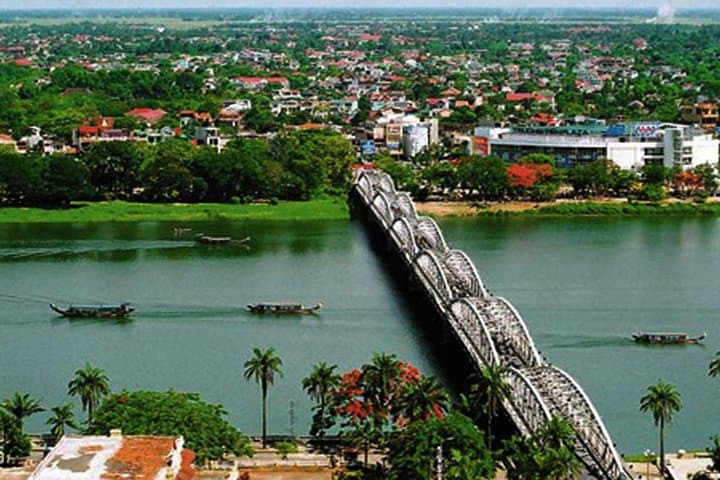
You step off the tender into humid river air and the Huong (Perfume) River immediately frames the day — brown water moving like a slow decision, temples and tree-lined banks sliding by as the dragon boat nudges shore.
You step off the tender into humid river air and the Huong (Perfume) River immediately frames the day — brown water moving like a slow decision, temples and tree-lined banks sliding by as the dragon boat nudges shore.
Hue’s Imperial City was the political heart of the Nguyen Dynasty from 1805 to 1945. The walled citadel and Forbidden Purple City are large stone and timber compounds shaped by imperial ritual, French colonial scars, and restorations since wartime damage. Geologically, the flat, alluvial plain of central Vietnam gives way to low hills where later royal tombs and Khai Dinh’s elaborate mausoleum perch; the stone and tile choices reflect local sandstone and imported materials from the colonial era.
Culturally, expect incense, lacquered gates, and lacquer-wood craftsmanship in small workshops. The dragon-boat cruise on the Huong River echoes traditions once reserved for court processions and now offers practical passage and a vantage for Thien Mu Pagoda’s seven-story tower.
Practical guidance: this private shore excursion runs long (about 7–12 hours) and involves cobbled surfaces, temple steps and short transfers to tombs outside the city. Wear sturdy, breathable shoes and modest clothing for pagodas; bring sun protection and a light rain layer in summer. Bottled water, entrance fees, a traditional Vietnamese lunch, and private port pickup are usually included, but carry small cash for street snacks or museum kiosks.
Timing your visit around early morning or late afternoon light improves photos and reduces heat — and gives you room to linger at the quieter tombs.