THE ADVENTURE COLLECTIVE® · Independent discovery and booking for outdoor travel

A four-hour private shore excursion that links panoramic viewpoints, Budva’s ancient walls, and Perast’s stone-built waterfront — including a short boat ride to Our Lady of the Rocks. Expect cobbled streets, coastal geology, and concentrated cultural history.
A four-hour private shore excursion that links panoramic viewpoints, Budva’s ancient walls, and Perast’s stone-built waterfront — including a short boat ride to Our Lady of the Rocks. Expect cobbled streets, coastal geology, and concentrated cultural history.
Stepping off the ship, the Bay of Kotor opens like a sheltered sea corridor — limestone walls leaning close, water that challenges you to look for reflections instead of depth. The first miles are spent driving along a coastal ribbon: a hill above Jaz beach offers a quick photo stop, Sveti Stefan appears like a fortified islet in the haze, and Budva’s compact old town invites a deliberate, foot-powered exploration of turreted walls and narrow lanes.
Verified experiences and guided adventures in the surrounding area.
Operated by Celsus Travel · Kotor, Kotor Municipality
Stepping off the ship, the Bay of Kotor opens like a sheltered sea corridor — limestone walls leaning close, water that challenges you to look for reflections instead of depth. The first miles are spent driving along a coastal ribbon: a hill above Jaz beach offers a quick photo stop, Sveti Stefan appears like a fortified islet in the haze, and Budva’s compact old town invites a deliberate, foot-powered exploration of turreted walls and narrow lanes.
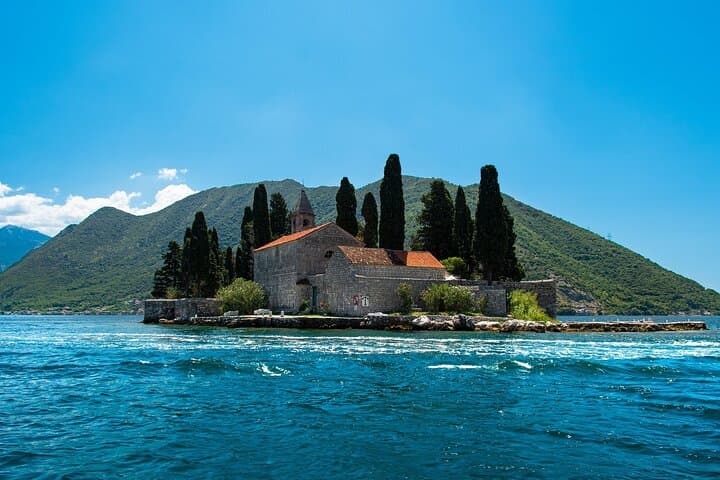
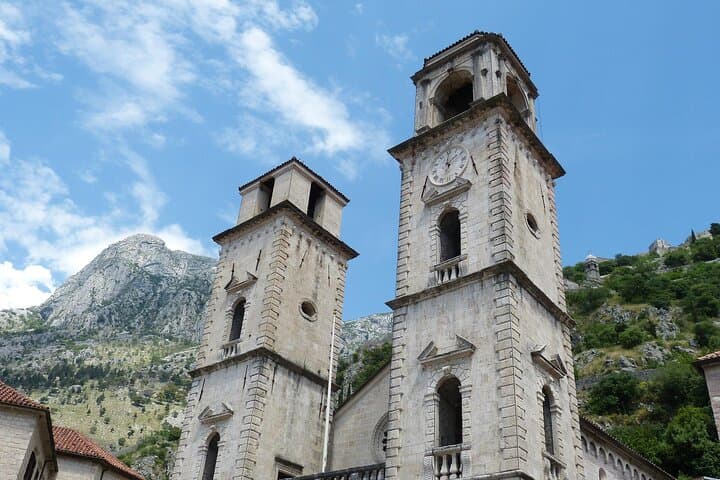
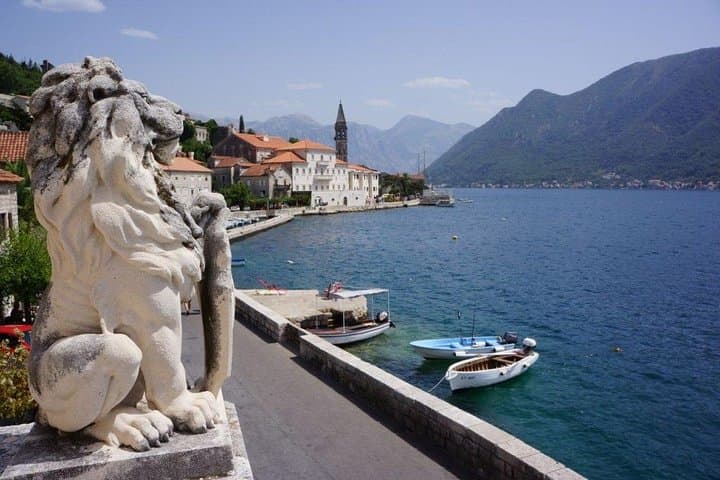
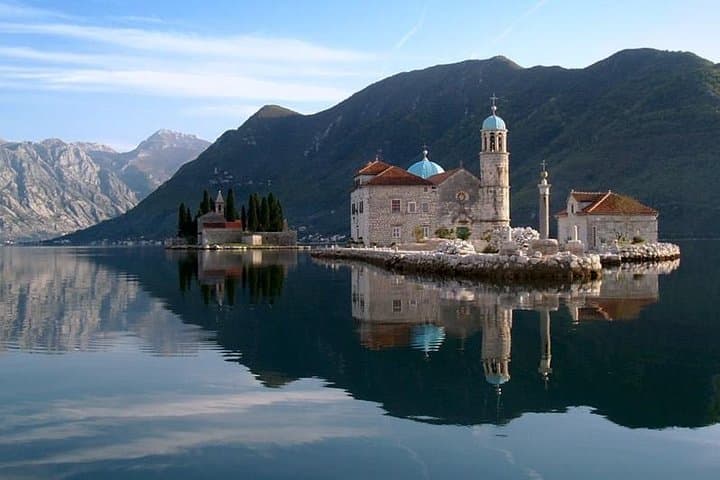
Geology here is unmistakable: the bay is a drowned karst valley, cliffs carved by tectonic lift and sea, creating fjord-like inlets that funnel wind and light. Human history is layered: Roman traces, a strong Venetian imprint in Budva and Perast, and Perast’s miniature island—Our Lady of the Rocks—built by generations of seafarers. St. Tryphon Cathedral in Kotor dates to 1166 and anchors the town’s medieval character; maritime museums preserve the trading and naval heritage that made these towns wealthy.
Practical guidance is straightforward. Expect cobbled streets and stair climbs in old towns—sturdy shoes matter. The tour mixes short drives, one brief boat transfer to the artificial island, and roughly an hour each in Budva and Perast; plan on four hours total. Bring sun protection, a refillable water bottle, and your passport or cruise reboarding info for port pickup.
This excursion moves at an easy, photo-friendly pace but rewards basic fitness and mobility. It’s ideal for travelers who want concentrated cultural history, coastal panoramas, and the tactile pleasure of ancient stone underfoot.
moderate.
4 hours.
Moderate—able to walk on uneven cobbles and climb short flights of stairs; not suitable for those with severe mobility limits.
The tour runs about four hours with two main walking stops: roughly 40–60 minutes exploring Budva and Perast each, involving cobbled streets and short stair climbs.
Yes — a short boat transfer to the artificial island is part of the Perast visit; boat schedules depend on sea conditions.
This private excursion includes port pickup and drop-off; at booking provide your ship name and disembarkation details to coordinate timing.
Not recommended for travelers with serious mobility or spinal issues; narrow streets and steps in old towns limit wheelchair access.
Perast flourished as a maritime community under Venetian influence; Kotor’s St. Tryphon Cathedral dates to 1166 and reflects the region’s medieval importance.
The Bay’s marine habitats are sensitive—avoid single-use plastics, respect local boat operators’ rules, and stick to marked paths to reduce erosion in historic areas.
Celsus Travel operates guided outdoor trips and adventures with an emphasis on safety, stewardship, and memorable experiences.
Stepping off the ship, the Bay of Kotor opens like a sheltered sea corridor — limestone walls leaning close, water that challenges you to look for reflections instead of depth. The first miles are spent driving along a coastal ribbon: a hill above Jaz beach offers a quick photo stop, Sveti Stefan appears like a fortified islet in the haze, and Budva’s compact old town invites a deliberate, foot-powered exploration of turreted walls and narrow lanes.
Stepping off the ship, the Bay of Kotor opens like a sheltered sea corridor — limestone walls leaning close, water that challenges you to look for reflections instead of depth. The first miles are spent driving along a coastal ribbon: a hill above Jaz beach offers a quick photo stop, Sveti Stefan appears like a fortified islet in the haze, and Budva’s compact old town invites a deliberate, foot-powered exploration of turreted walls and narrow lanes.
Geology here is unmistakable: the bay is a drowned karst valley, cliffs carved by tectonic lift and sea, creating fjord-like inlets that funnel wind and light. Human history is layered: Roman traces, a strong Venetian imprint in Budva and Perast, and Perast’s miniature island—Our Lady of the Rocks—built by generations of seafarers. St. Tryphon Cathedral in Kotor dates to 1166 and anchors the town’s medieval character; maritime museums preserve the trading and naval heritage that made these towns wealthy.
Practical guidance is straightforward. Expect cobbled streets and stair climbs in old towns—sturdy shoes matter. The tour mixes short drives, one brief boat transfer to the artificial island, and roughly an hour each in Budva and Perast; plan on four hours total. Bring sun protection, a refillable water bottle, and your passport or cruise reboarding info for port pickup.
This excursion moves at an easy, photo-friendly pace but rewards basic fitness and mobility. It’s ideal for travelers who want concentrated cultural history, coastal panoramas, and the tactile pleasure of ancient stone underfoot.