THE ADVENTURE COLLECTIVE® · Independent discovery and booking for outdoor travel

Combine Hiroshima’s Peace Memorial Park with a ferry crossing to Miyajima on a private shore excursion. This six-hour, customizable tour balances history, coastal scenery and practical logistics for cruise travelers.
Combine Hiroshima’s Peace Memorial Park with a ferry crossing to Miyajima on a private shore excursion. This six-hour, customizable tour balances history, coastal scenery and practical logistics for cruise travelers.
You step off the ship into the brisk port air and the city of Hiroshima opens like a folded map — low-rise buildings, plane trees lining wide avenues, and the distant silhouette of Miyajima’s torii rising from the Seto Inland Sea.
Verified experiences and guided adventures in the surrounding area.
Operated by H.I.S.Co., Ltd. · Hiroshima, Hiroshima Prefecture
You step off the ship into the brisk port air and the city of Hiroshima opens like a folded map — low-rise buildings, plane trees lining wide avenues, and the distant silhouette of Miyajima’s torii rising from the Seto Inland Sea.
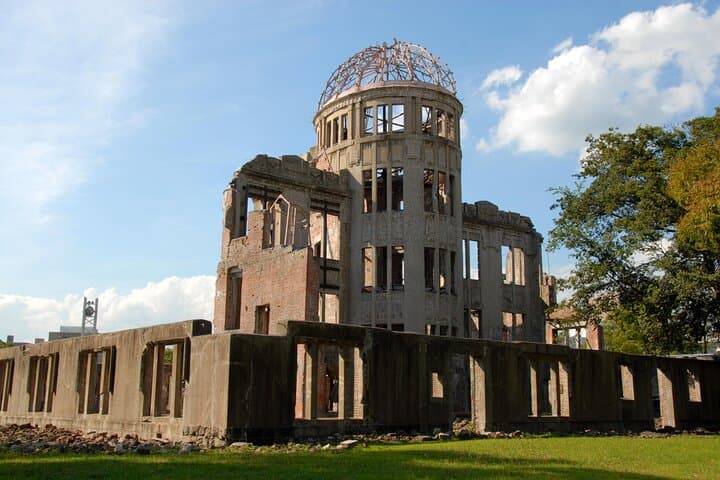
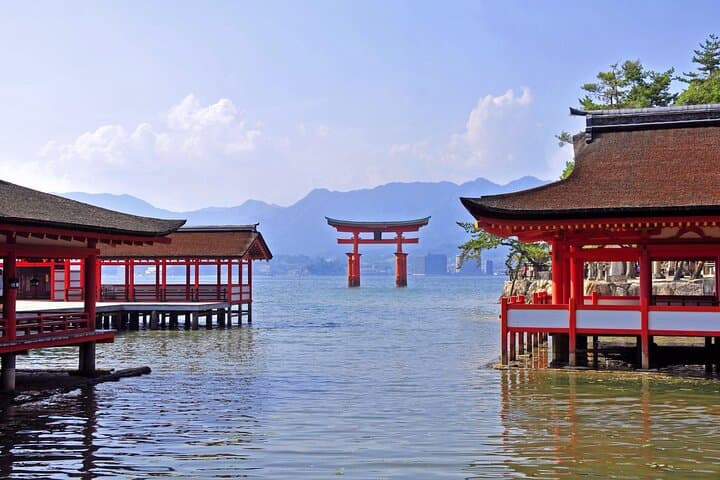
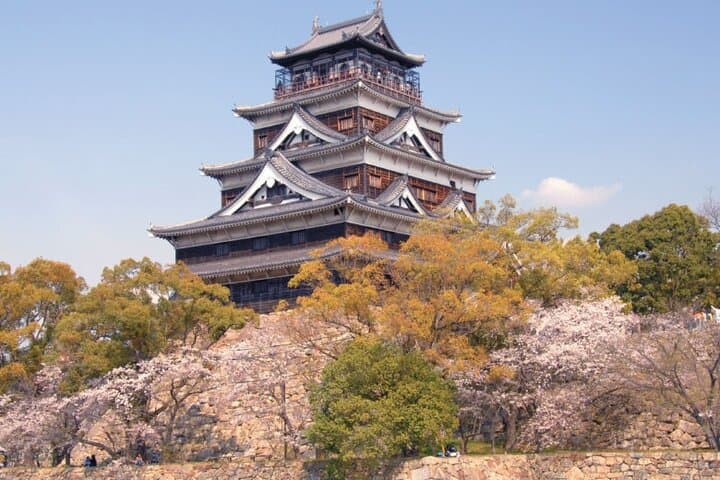
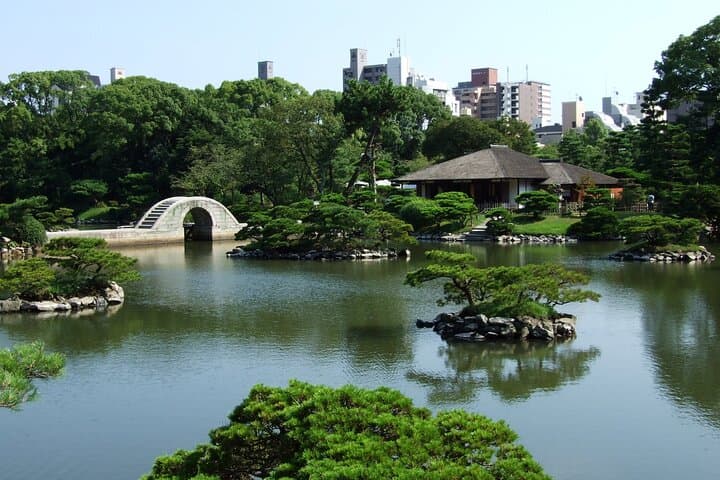
This private shore excursion threads together Hiroshima’s modern history and coastal scenery. Visitors move from the somber geometry of Peace Memorial Park and the Atomic Bomb Dome — preserved ruins that anchor a city-wide dedication to remembrance — to the softer edges of Shukkei-en garden and the rebuilt Hiroshima Castle. Then a short ferry ride carries the group across tidal currents to Miyajima (Itsukushima), where a centuries-old shrine perches on pilings and wild deer wander the streets.
Geologically the Seto Inland Sea is a sheltered basin of islands and tidal flats; its slow-moving waters give the torii its “floating” illusion at high tide. Culturally, Miyajima’s shrine complex reflects Shinto practices that integrate sea and shrine, while Hiroshima’s Peace Museum contextualizes mid-20th-century global history.
Practical guidance: the standard private tour runs about six hours and can use public transit or a chartered car; choose a morning start to avoid afternoon crowds on Miyajima. Wear comfortable walking shoes for boardwalks and stone steps, carry a rain layer during spring and summer rains, and bring ID for port checks. Guides can tailor the route to mobility needs and time limits, but keep ticketed entries and ferry schedules in mind when adding extra stops.
easy.
6 hours.
Suitable for most fitness levels; involves moderate walking on flat paths and some steps on Miyajima.
Yes—guides will adjust timing and swap stops where possible, but extra admissions or transport fees may apply.
Many areas in Hiroshima and the ferry are accessible; specify mobility needs when booking so the guide can plan accessible routes.
The ferry between Hiroshima and Miyajima takes roughly 30–40 minutes depending on the service used.
Standard tour notes indicate some admissions are included, but ticketed entries you request on the fly may require payment on site.
Hiroshima was a political and commercial center before 1945; the Peace Park preserves the bombing’s footprint and the city’s postwar dedication to peace.
Miyajima’s shrine operates with tidal ecology in mind—visitors are asked to avoid litter and respect deer that are protected on the island.
H.I.S.Co., Ltd. operates guided outdoor trips and adventures with an emphasis on safety, stewardship, and memorable experiences.
You step off the ship into the brisk port air and the city of Hiroshima opens like a folded map — low-rise buildings, plane trees lining wide avenues, and the distant silhouette of Miyajima’s torii rising from the Seto Inland Sea.
You step off the ship into the brisk port air and the city of Hiroshima opens like a folded map — low-rise buildings, plane trees lining wide avenues, and the distant silhouette of Miyajima’s torii rising from the Seto Inland Sea.
This private shore excursion threads together Hiroshima’s modern history and coastal scenery. Visitors move from the somber geometry of Peace Memorial Park and the Atomic Bomb Dome — preserved ruins that anchor a city-wide dedication to remembrance — to the softer edges of Shukkei-en garden and the rebuilt Hiroshima Castle. Then a short ferry ride carries the group across tidal currents to Miyajima (Itsukushima), where a centuries-old shrine perches on pilings and wild deer wander the streets.
Geologically the Seto Inland Sea is a sheltered basin of islands and tidal flats; its slow-moving waters give the torii its “floating” illusion at high tide. Culturally, Miyajima’s shrine complex reflects Shinto practices that integrate sea and shrine, while Hiroshima’s Peace Museum contextualizes mid-20th-century global history.
Practical guidance: the standard private tour runs about six hours and can use public transit or a chartered car; choose a morning start to avoid afternoon crowds on Miyajima. Wear comfortable walking shoes for boardwalks and stone steps, carry a rain layer during spring and summer rains, and bring ID for port checks. Guides can tailor the route to mobility needs and time limits, but keep ticketed entries and ferry schedules in mind when adding extra stops.