THE ADVENTURE COLLECTIVE® · Independent discovery and booking for outdoor travel

A full-day private shore excursion from Civitavecchia that visits UNESCO-recognized Etruscan necropolises in Tarquinia and Cerveteri. Expect guided access to rock-cut tombs, a small local museum, and scenic drives through Lazio countryside.
A full-day private shore excursion from Civitavecchia that visits UNESCO-recognized Etruscan necropolises in Tarquinia and Cerveteri. Expect guided access to rock-cut tombs, a small local museum, and scenic drives through Lazio countryside.
You step off the ship at Civitavecchia and the sea-scented air gives way to open fields and low rolling hills as a private vehicle threads quiet Lazio roads toward sites older than Rome.
Verified experiences and guided adventures in the surrounding area.
Operated by Rome in Limo Tours Excursions · Civitavecchia, Lazio
You step off the ship at Civitavecchia and the sea-scented air gives way to open fields and low rolling hills as a private vehicle threads quiet Lazio roads toward sites older than Rome.
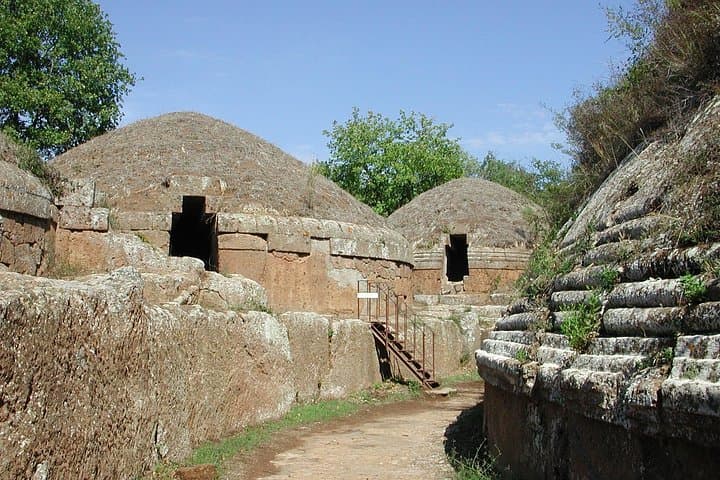
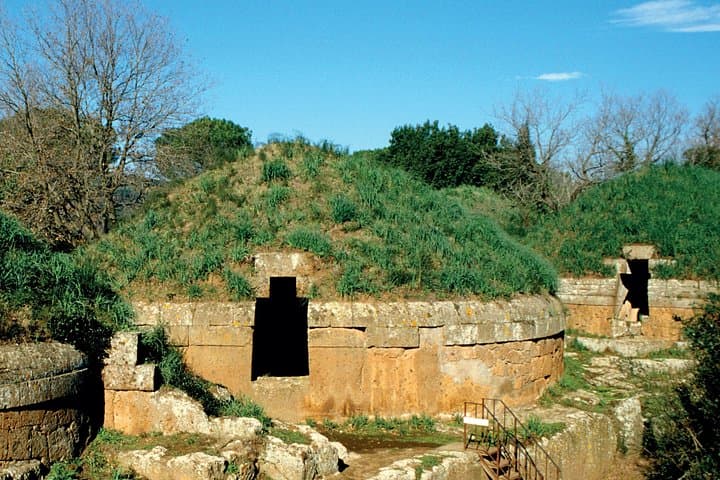
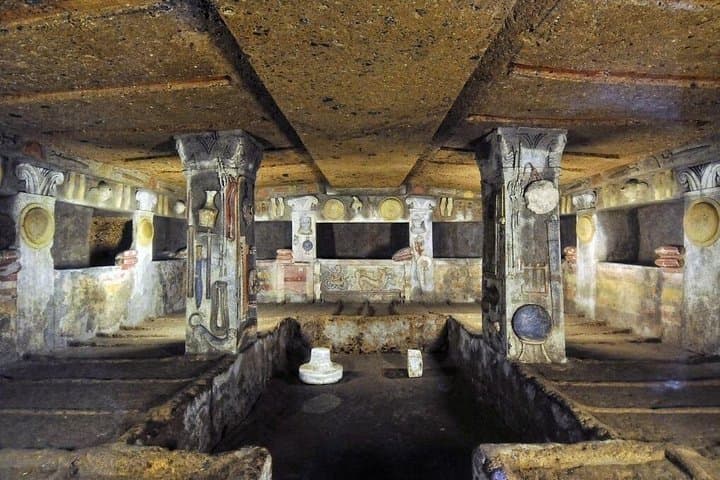
The day focuses on two Etruscan strongholds: Tarquinia and Cerveteri. Both towns sit on tufa plateaus where tombs were carved directly into the rock; Monterozzi necropolis at Tarquinia contains painted burial chambers whose pigments are among the earliest large-scale wall paintings in Italy. Banditaccia at Cerveteri presents long rows of tumuli and house-like tombs that outline the footprint of a vanished city. Geologically, the area is underlain by volcanic tuffs and clays that made rock-cut architecture practical and durable.
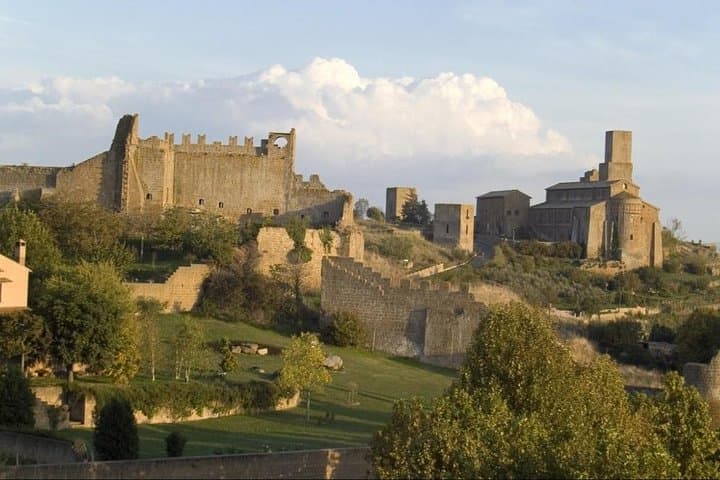
Culturally the Etruscans were maritime and agrarian, trading across the Tyrrhenian and shaping early Italic religion and art prior to Roman dominance. Small museums housed in medieval fortresses display bucchero ware, terracotta, and funerary objects returned to the region.
Practical guidance: the tour runs about nine hours with multiple short walks on uneven stone, steps, and low paths—expect 1–2 miles of walking total with repeated stair sections. Bring a refillable water bottle, sturdy shoes, sun protection, and a lightweight rain layer. Confirm ship docking and reboarding times with your operator, carry your cruise ID, and budget time for security at the port. Accessibility is limited at some tombs due to stairs and low entrances. With a private vehicle and local driver, the itinerary balances archaeology, quiet countryside, and short guided stops for photos and museum visits.
moderate.
9 hours.
Should be comfortable walking on uneven ground and climbing short flights of stairs; moderate stamina for multiple site visits.
Yes; the private tour includes pickup and drop-off from Civitavecchia port but you must provide ship name and docking/reboarding times at booking.
Admissions to the Necropolis of Tarquinia and the Museum of Cerveteri are included per the itinerary details; confirm any special exhibitions that may require separate fees.
Expect 1–2 miles of walking on uneven stone and steps; some tombs have low entrances and are not wheelchair accessible.
This is a private tour so adjustments can often be made within the allotted time—discuss priorities with your driver-guide before departure.
Tarquinia and Cerveteri were major Etruscan cities from the Iron Age; their necropolises preserve burial practices and wall paintings that predate Roman dominance.
The sites face erosion from foot traffic and weathering of tufa; visitors should stay on marked paths and avoid touching painted surfaces to protect fragile pigments.
Rome in Limo Tours Excursions operates guided outdoor trips and adventures with an emphasis on safety, stewardship, and memorable experiences.
You step off the ship at Civitavecchia and the sea-scented air gives way to open fields and low rolling hills as a private vehicle threads quiet Lazio roads toward sites older than Rome.
You step off the ship at Civitavecchia and the sea-scented air gives way to open fields and low rolling hills as a private vehicle threads quiet Lazio roads toward sites older than Rome.
The day focuses on two Etruscan strongholds: Tarquinia and Cerveteri. Both towns sit on tufa plateaus where tombs were carved directly into the rock; Monterozzi necropolis at Tarquinia contains painted burial chambers whose pigments are among the earliest large-scale wall paintings in Italy. Banditaccia at Cerveteri presents long rows of tumuli and house-like tombs that outline the footprint of a vanished city. Geologically, the area is underlain by volcanic tuffs and clays that made rock-cut architecture practical and durable.
Culturally the Etruscans were maritime and agrarian, trading across the Tyrrhenian and shaping early Italic religion and art prior to Roman dominance. Small museums housed in medieval fortresses display bucchero ware, terracotta, and funerary objects returned to the region.
Practical guidance: the tour runs about nine hours with multiple short walks on uneven stone, steps, and low paths—expect 1–2 miles of walking total with repeated stair sections. Bring a refillable water bottle, sturdy shoes, sun protection, and a lightweight rain layer. Confirm ship docking and reboarding times with your operator, carry your cruise ID, and budget time for security at the port. Accessibility is limited at some tombs due to stairs and low entrances. With a private vehicle and local driver, the itinerary balances archaeology, quiet countryside, and short guided stops for photos and museum visits.