THE ADVENTURE COLLECTIVE® · Independent discovery and booking for outdoor travel

Spend a morning or afternoon wandering Beijing’s vast Panjiayuan Antique Market with a private guide who helps you navigate stalls, haggle for bargains and identify authentic pieces. Practical tips on timing, payment and what to avoid help you shop like a local.
Spend a morning or afternoon wandering Beijing’s vast Panjiayuan Antique Market with a private guide who helps you navigate stalls, haggle for bargains and identify authentic pieces. Practical tips on timing, payment and what to avoid help you shop like a local.
You step off the subway into a wash of color and sound: lacquered boxes, mildewed scrolls, the clack of bargaining voices. Panjiayuan Market unfolds across nearly five hectares—rows of stalls, alleyways that smell of tea and old paper, dealers arranging centuries in plastic crates. A guide steers you past clusters of porcelain shards and lacquered furniture, pointing out craftsmen’s marks while the afternoon sun pulls dust motes through the open canopies.
Verified experiences and guided adventures in the surrounding area.
Operated by Beijing Tour Guide · Beijing, Beijing
You step off the subway into a wash of color and sound: lacquered boxes, mildewed scrolls, the clack of bargaining voices. Panjiayuan Market unfolds across nearly five hectares—rows of stalls, alleyways that smell of tea and old paper, dealers arranging centuries in plastic crates. A guide steers you past clusters of porcelain shards and lacquered furniture, pointing out craftsmen’s marks while the afternoon sun pulls dust motes through the open canopies.
Panjiayuan grew in the 1990s from a weekend flea market into one of Asia’s largest antiques bazaars, drawing dealers who travel China’s countryside for family heirlooms. The market sits on Beijing’s Chaoyang edge, where urban expansion swallowed old brick courtyards and new subway lines made haggling a daily rhythm. Culture here is transactional and theatrical—bargaining is the norm, and knowledge of provenance carries value.
Practical guidance: plan 2–3 hours and arrive in the morning for fresher stock and smaller crowds. Bring small bills and a smartphone for translation and quick price checks; many stalls accept digital payments but cash still smooths low-cost deals. Wear comfortable shoes—paths are uneven and narrow—and set a firm spending limit before you start. Ask about restoration work and legal restrictions: items like ivory and certain cultural relics are regulated.
Your guide can help you navigate subway routes, negotiate prices, and flag credible shops. Whether you’re hunting a genuine Qing-era plate or a decorative find for your apartment, Panjiayuan rewards time, patience, and a sharp eye.
easy.
2–3 hours.
Low; suitable for most people who can walk moderate distances and stand for short periods
Take Beijing’s subway to Panjiayuan (Line 10) or a short taxi ride from central Chaoyang; guides often arrange hotel pickup if included.
Yes—start around 40–60% of the asking price and negotiate up if needed; polite firmness and walking away are effective tactics.
Both—there are genuine antiques and many modern reproductions; ask questions about provenance and seek reputable dealers for higher-value pieces.
Some areas are wheelchair accessible, but narrow aisles and uneven ground in parts of the market may limit access; contact your guide in advance for specific arrangements.
The market expanded rapidly in the 1990s from a weekend flea market into one of Asia’s largest antique bazaars, drawing collectors and dealers nationwide.
Avoid buying protected artifacts (ivory, certain archaeological items); prefer reputable dealers and ask about restoration materials to minimize harm.
Beijing Tour Guide operates guided outdoor trips and adventures with an emphasis on safety, stewardship, and memorable experiences.
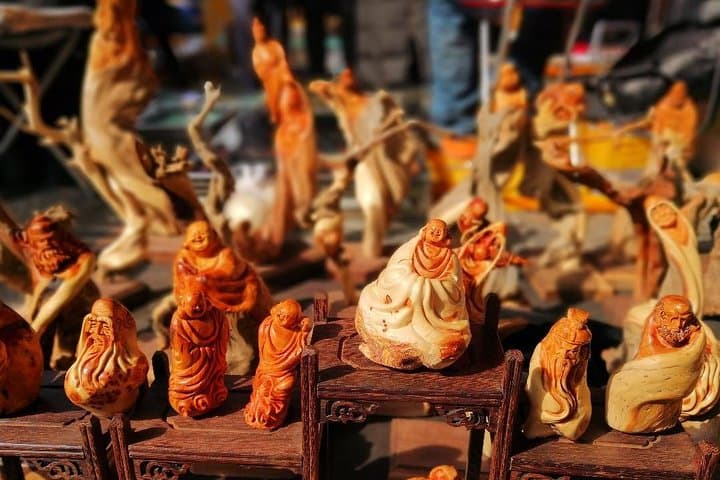
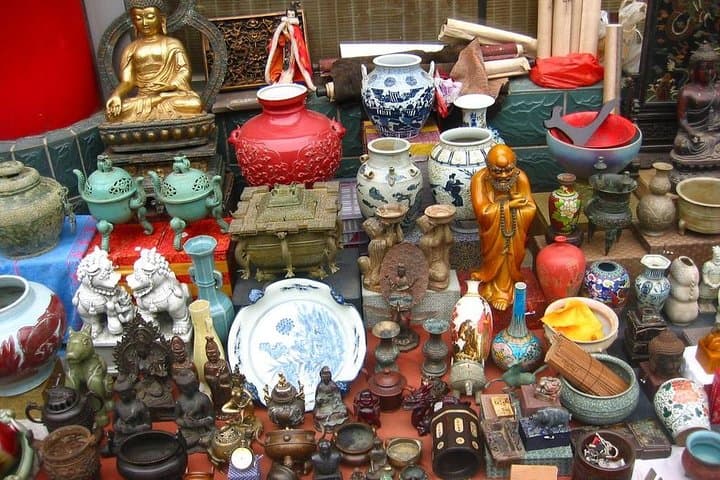
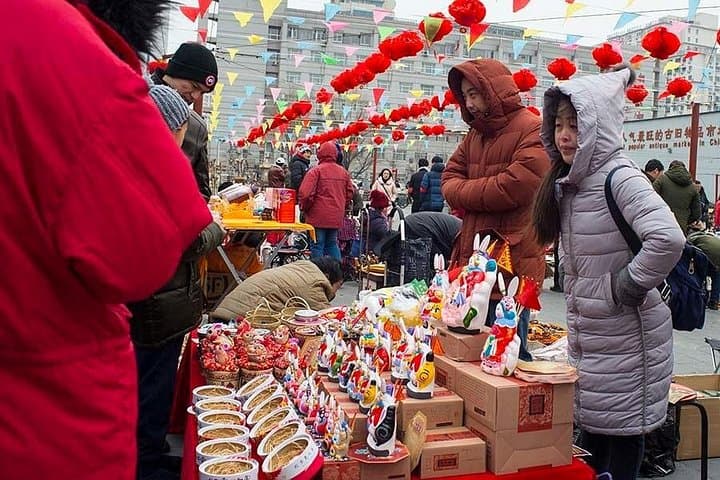
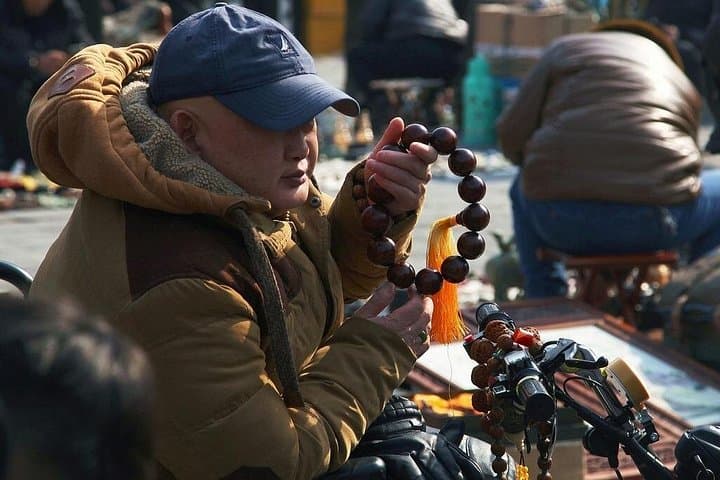
You step off the subway into a wash of color and sound: lacquered boxes, mildewed scrolls, the clack of bargaining voices. Panjiayuan Market unfolds across nearly five hectares—rows of stalls, alleyways that smell of tea and old paper, dealers arranging centuries in plastic crates. A guide steers you past clusters of porcelain shards and lacquered furniture, pointing out craftsmen’s marks while the afternoon sun pulls dust motes through the open canopies.
You step off the subway into a wash of color and sound: lacquered boxes, mildewed scrolls, the clack of bargaining voices. Panjiayuan Market unfolds across nearly five hectares—rows of stalls, alleyways that smell of tea and old paper, dealers arranging centuries in plastic crates. A guide steers you past clusters of porcelain shards and lacquered furniture, pointing out craftsmen’s marks while the afternoon sun pulls dust motes through the open canopies.
Panjiayuan grew in the 1990s from a weekend flea market into one of Asia’s largest antiques bazaars, drawing dealers who travel China’s countryside for family heirlooms. The market sits on Beijing’s Chaoyang edge, where urban expansion swallowed old brick courtyards and new subway lines made haggling a daily rhythm. Culture here is transactional and theatrical—bargaining is the norm, and knowledge of provenance carries value.
Practical guidance: plan 2–3 hours and arrive in the morning for fresher stock and smaller crowds. Bring small bills and a smartphone for translation and quick price checks; many stalls accept digital payments but cash still smooths low-cost deals. Wear comfortable shoes—paths are uneven and narrow—and set a firm spending limit before you start. Ask about restoration work and legal restrictions: items like ivory and certain cultural relics are regulated.
Your guide can help you navigate subway routes, negotiate prices, and flag credible shops. Whether you’re hunting a genuine Qing-era plate or a decorative find for your apartment, Panjiayuan rewards time, patience, and a sharp eye.