THE ADVENTURE COLLECTIVE® · Independent discovery and booking for outdoor travel

Navigate Marrakech’s medina with a private local guide who opens doors to hidden workshops, ethical vendors and wholesale carpet shipping. This 3–4 hour personalized shopping tour teaches bargaining, introduces artisans, and handles logistics so you shop confidently.
Navigate Marrakech’s medina with a private local guide who opens doors to hidden workshops, ethical vendors and wholesale carpet shipping. This 3–4 hour personalized shopping tour teaches bargaining, introduces artisans, and handles logistics so you shop confidently.
You step out of a shaded riad courtyard and the medina exhales around you — alleys press in with stacked textiles, lamps cast warm pools of brass, and the scent of cumin and orange oil threads through the air. A local guide leads confidently, part translator, part cultural interpreter, steering you into workshops and behind doors where craft still happens by hand.
Verified experiences and guided adventures in the surrounding area.
Operated by Morocco Nomadic Travel · Marrakech, Marrakech-Safi
You step out of a shaded riad courtyard and the medina exhales around you — alleys press in with stacked textiles, lamps cast warm pools of brass, and the scent of cumin and orange oil threads through the air. A local guide leads confidently, part translator, part cultural interpreter, steering you into workshops and behind doors where craft still happens by hand.
Marrakech’s souks grew from caravan trade that made the city a crossroads since the 11th century; today the markets reflect layers of Berber weaving traditions, leather work, metal smithing and spice blending. The old city’s streets are carved into specialty quarters — leather, metal, textiles — and many family-run ateliers trace techniques across generations.
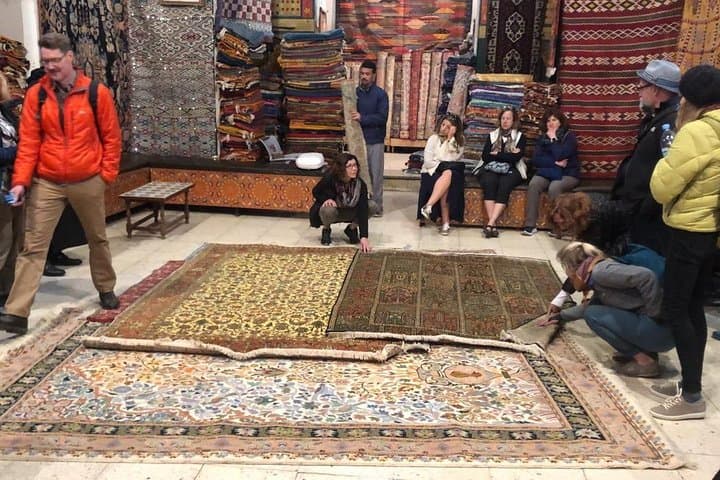
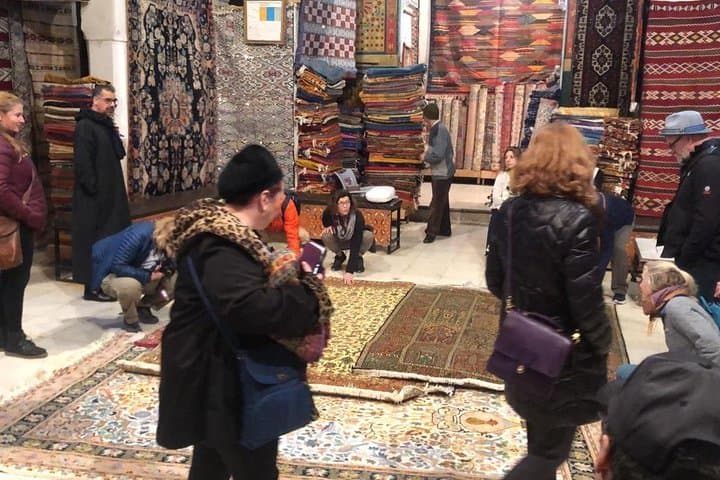
On a private shopping tour you’ll meet artisans, learn to spot authentic Berber knots and try Moroccan mint tea while bargaining with skill and respect. Carpets, caftans, lanterns and argan oil dominate the stalls; larger rug purchases often include hotel delivery or international shipping options.
Practical guidance: plan for 3–4 hours of walking on uneven flagstone and narrow lanes, wear sturdy shoes, and carry small bills for purchases and tips. Ask your guide to save time by pre-selecting workshops that guarantee ethical sourcing and transparent pricing. If mobility is a concern, confirm pickup and accessible routing in advance — many operators can adapt the route.
Leave space in your luggage for small finds, and remember that buying from artisans supports local economies. This tour is as much about listening to makers as it is about leaving with a story-worn object that carries a piece of Marrakech home.
easy.
3–4 hours.
Light walking ability; suitable for most fitness levels but expect several hours on foot and standing.
Yes — the tour includes pickup from accommodations in Marrakech; confirm your pickup point and time when booking.
Yes — the tour lists free DHL shipping for carpets and often offers delivery to your hotel for bulky items.
Bargaining is part of the experience; guides provide tips and will help negotiate fair prices with ethical vendors.
Many operators note wheelchair and stroller accessibility, but confirm specific routing in advance as some alleyways may be narrow or uneven.
Marrakech was founded in the 11th century and its souks grew from centuries of caravan trade linking sub-Saharan, Mediterranean and Andalusian commerce.
Support vendors who demonstrate ethical sourcing; avoid items made from threatened species and opt for locally produced materials to reduce environmental impact.
Morocco Nomadic Travel operates guided outdoor trips and adventures with an emphasis on safety, stewardship, and memorable experiences.
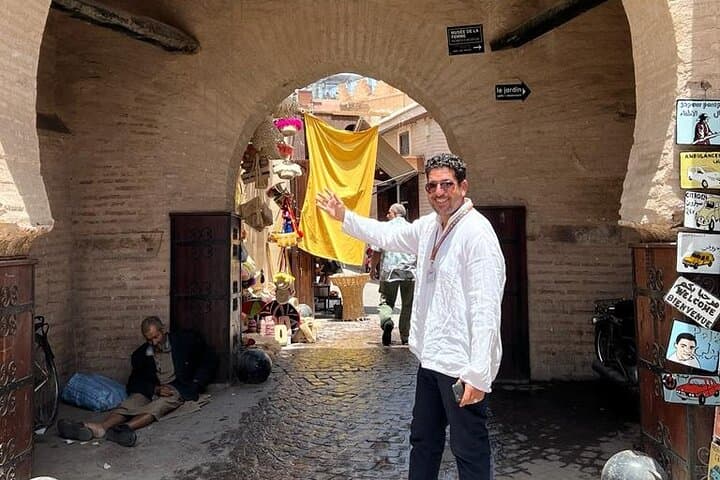
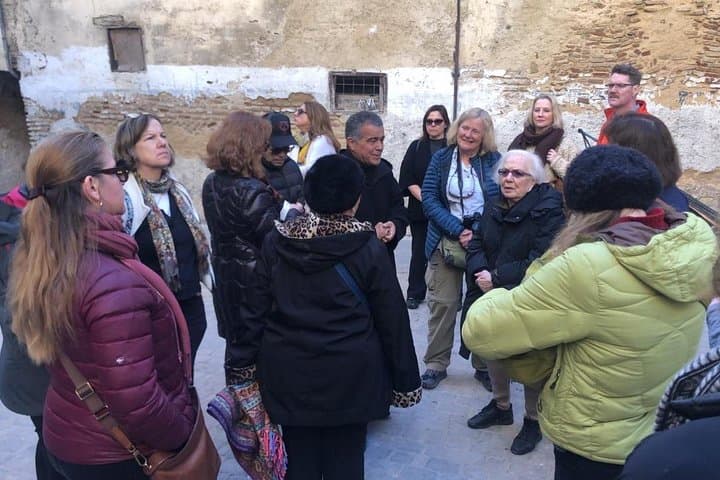
You step out of a shaded riad courtyard and the medina exhales around you — alleys press in with stacked textiles, lamps cast warm pools of brass, and the scent of cumin and orange oil threads through the air. A local guide leads confidently, part translator, part cultural interpreter, steering you into workshops and behind doors where craft still happens by hand.
You step out of a shaded riad courtyard and the medina exhales around you — alleys press in with stacked textiles, lamps cast warm pools of brass, and the scent of cumin and orange oil threads through the air. A local guide leads confidently, part translator, part cultural interpreter, steering you into workshops and behind doors where craft still happens by hand.
Marrakech’s souks grew from caravan trade that made the city a crossroads since the 11th century; today the markets reflect layers of Berber weaving traditions, leather work, metal smithing and spice blending. The old city’s streets are carved into specialty quarters — leather, metal, textiles — and many family-run ateliers trace techniques across generations.
On a private shopping tour you’ll meet artisans, learn to spot authentic Berber knots and try Moroccan mint tea while bargaining with skill and respect. Carpets, caftans, lanterns and argan oil dominate the stalls; larger rug purchases often include hotel delivery or international shipping options.
Practical guidance: plan for 3–4 hours of walking on uneven flagstone and narrow lanes, wear sturdy shoes, and carry small bills for purchases and tips. Ask your guide to save time by pre-selecting workshops that guarantee ethical sourcing and transparent pricing. If mobility is a concern, confirm pickup and accessible routing in advance — many operators can adapt the route.
Leave space in your luggage for small finds, and remember that buying from artisans supports local economies. This tour is as much about listening to makers as it is about leaving with a story-worn object that carries a piece of Marrakech home.