THE ADVENTURE COLLECTIVE® · Independent discovery and booking for outdoor travel

A swift, family-friendly 2.5-hour boat trip through the 10,000 Islands that pairs close dolphin encounters with stops at secluded shell-covered islets. Ideal for travelers seeking a short, educational outing with solid photo opportunities and easy beachcombing.
A swift, family-friendly 2.5-hour boat trip through the 10,000 Islands that pairs close dolphin encounters with stops at secluded shell-covered islets. Ideal for travelers seeking a short, educational outing with solid photo opportunities and easy beachcombing.
Morning light slants across low mangroves as the skiff slips out of Goodland Boat Park, wake murmuring and the gulf air sharpening the senses. Dolphins peel away from the boat in quick arcs—curious, confident—while the horizon opens to a scatter of barrier isles where shell beds crowd the high tide line. The mangroves seem to push and pull the water, directing channels and hiding quiet beaches.
Verified experiences and guided adventures in the surrounding area.
Operated by Island Excursions · Goodland, Florida
Morning light slants across low mangroves as the skiff slips out of Goodland Boat Park, wake murmuring and the gulf air sharpening the senses. Dolphins peel away from the boat in quick arcs—curious, confident—while the horizon opens to a scatter of barrier isles where shell beds crowd the high tide line. The mangroves seem to push and pull the water, directing channels and hiding quiet beaches.
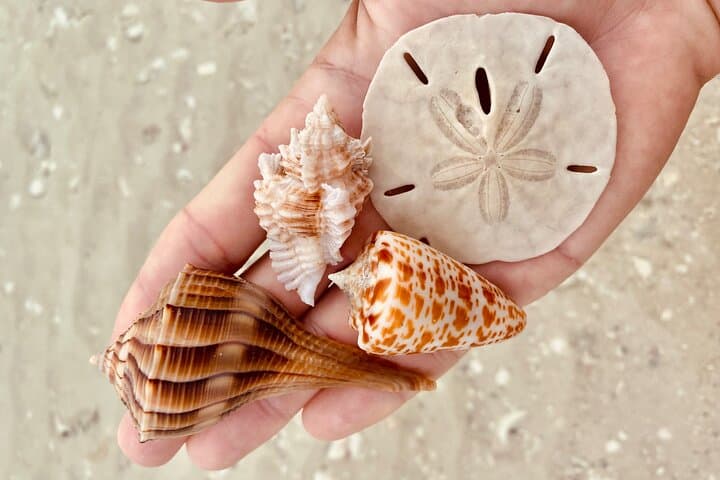
This stretch of the 10,000 Islands sits on a limestone and shell substrate carved by sea-level changes since the last Ice Age; oyster and coquina beds build beaches that attract collectors and birds alike. The Calusa once used these waterways for travel and fishing, shaping a maritime culture that traders and settlers later encountered. Today small boats thread tidal creeks and graze along shoals where shells accumulate after storms.
Expect a mix of sensory detail and practical rhythm: the slap of seawater on the hull, the scrub of sand underfoot, and guides who point out dolphin behavior, mangrove ecology, and the etiquette of shelling. The trip is short—about 2.5 hours—designed for families and casual explorers; timing around tides matters for where shells are exposed.
Practical guidance: dress for sun and possible wind, bring reef-safe sunscreen and a secure bucket for finds, and plan to board with stable footwear for shallow, uneven sand. Morning departures are calmer and cooler; late afternoon can bring sea breeze and quick showers in summer. Respect protected areas: only take empty shells and avoid disturbing living animals. This is a low-effort, high-reward taste of Southwest Florida’s coastal edge—playful dolphins, ancient mangrove corridors, and beaches that still hand you a river of shells to sort through.
easy.
2–3 hours.
Suitable for most fitness levels; requires stepping on and off a low boat and walking on soft, uneven sand.
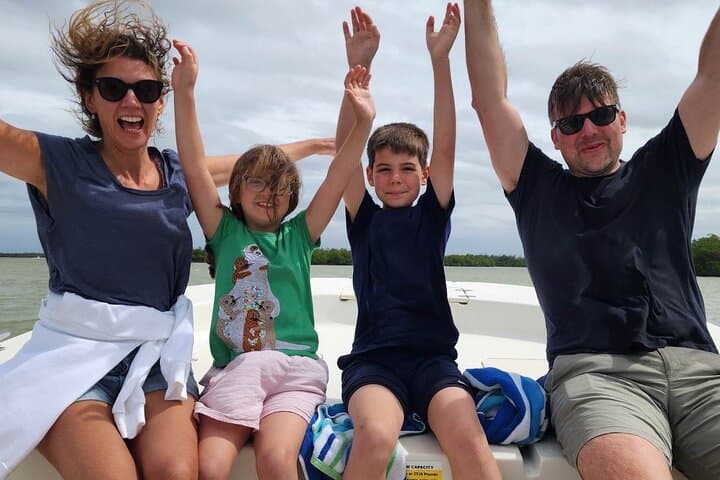
Yes—this private 2.5-hour excursion is family-oriented; infants must sit on an adult's lap and strollers can be used at the meeting area.
You may take empty, uninhabited shells, but avoid removing live animals; follow guide instructions and local regulations regarding protected areas.
Dolphins are frequently sighted; expect wading birds, shorebirds and occasionally manatees in shallower channels.
Tours are canceled for severe weather; the operator offers full refunds if canceled at least 24 hours in advance or for unsafe conditions.
The 10,000 Islands were long used by the Calusa as fishing and transport routes; later settlers and fishermen continued small-boat traditions that define the area today.
Shell beds and mangrove islets are fragile—take only empty shells, pack out trash, and avoid disturbing nesting birds or seagrass beds to minimize impact.
Island Excursions operates guided outdoor trips and adventures with an emphasis on safety, stewardship, and memorable experiences.
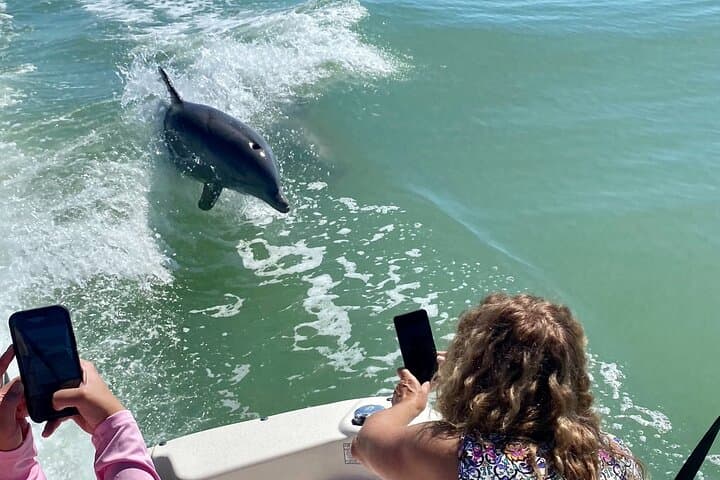
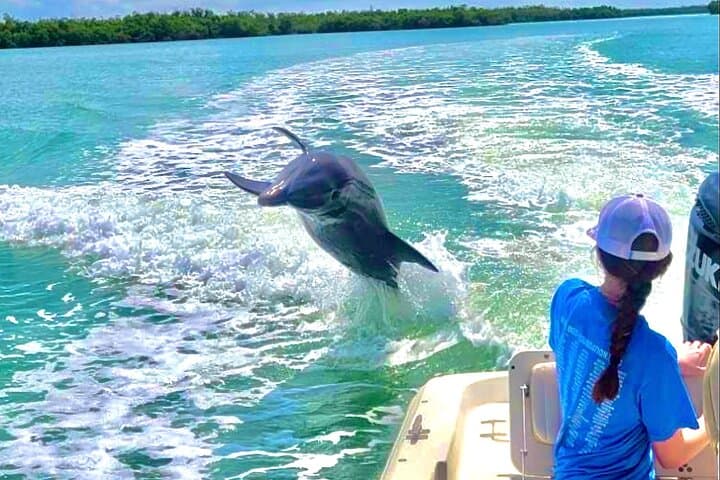
Morning light slants across low mangroves as the skiff slips out of Goodland Boat Park, wake murmuring and the gulf air sharpening the senses. Dolphins peel away from the boat in quick arcs—curious, confident—while the horizon opens to a scatter of barrier isles where shell beds crowd the high tide line. The mangroves seem to push and pull the water, directing channels and hiding quiet beaches.
Morning light slants across low mangroves as the skiff slips out of Goodland Boat Park, wake murmuring and the gulf air sharpening the senses. Dolphins peel away from the boat in quick arcs—curious, confident—while the horizon opens to a scatter of barrier isles where shell beds crowd the high tide line. The mangroves seem to push and pull the water, directing channels and hiding quiet beaches.
This stretch of the 10,000 Islands sits on a limestone and shell substrate carved by sea-level changes since the last Ice Age; oyster and coquina beds build beaches that attract collectors and birds alike. The Calusa once used these waterways for travel and fishing, shaping a maritime culture that traders and settlers later encountered. Today small boats thread tidal creeks and graze along shoals where shells accumulate after storms.
Expect a mix of sensory detail and practical rhythm: the slap of seawater on the hull, the scrub of sand underfoot, and guides who point out dolphin behavior, mangrove ecology, and the etiquette of shelling. The trip is short—about 2.5 hours—designed for families and casual explorers; timing around tides matters for where shells are exposed.
Practical guidance: dress for sun and possible wind, bring reef-safe sunscreen and a secure bucket for finds, and plan to board with stable footwear for shallow, uneven sand. Morning departures are calmer and cooler; late afternoon can bring sea breeze and quick showers in summer. Respect protected areas: only take empty shells and avoid disturbing living animals. This is a low-effort, high-reward taste of Southwest Florida’s coastal edge—playful dolphins, ancient mangrove corridors, and beaches that still hand you a river of shells to sort through.