THE ADVENTURE COLLECTIVE® · Independent discovery and booking for outdoor travel

Skip the parking and logistics: a private transfer from SFO to Napa Valley moves you from airport terminals to vineyard roads with local chauffeurs, onboard Wi‑Fi and bottled water. Read on for timing, packing and practical tips to make the trip smooth.
Skip the parking and logistics: a private transfer from SFO to Napa Valley moves you from airport terminals to vineyard roads with local chauffeurs, onboard Wi‑Fi and bottled water. Read on for timing, packing and practical tips to make the trip smooth.
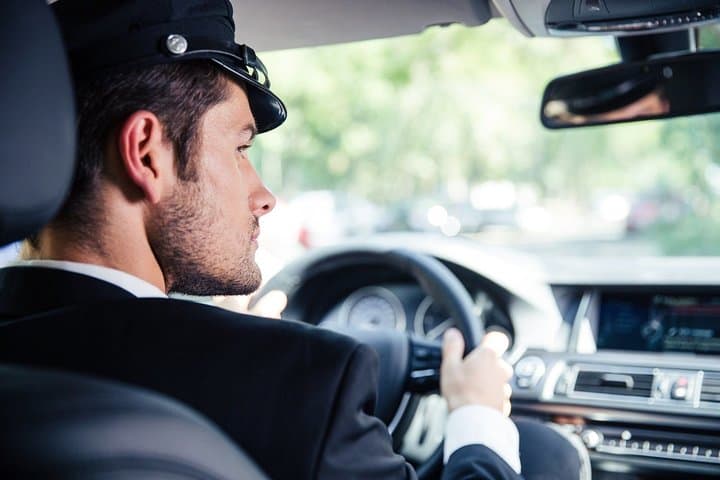
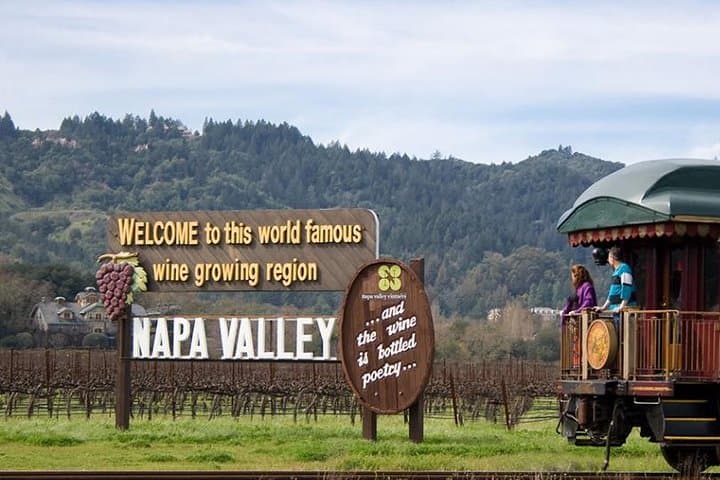
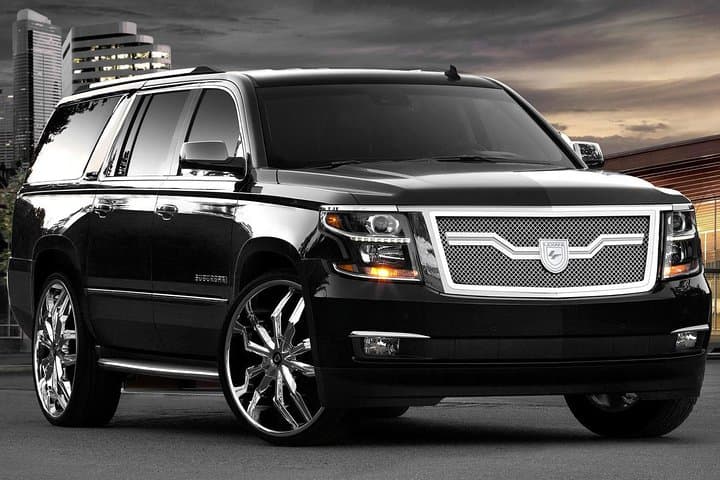
The first moments after touchdown set the tone: fluorescent airport light gives way to sundappled vineyards as the chauffeur guides an executive SUV onto Highway 101. Glass towers of San Francisco slide behind you, and within an hour the hills of Napa begin to rise, rows of vines stepping down toward the river like measured breaths.
Verified experiences and guided adventures in the surrounding area.
Operated by 1st Classic Airport Transportation Limousine Car Service · San Francisco, California
The first moments after touchdown set the tone: fluorescent airport light gives way to sundappled vineyards as the chauffeur guides an executive SUV onto Highway 101. Glass towers of San Francisco slide behind you, and within an hour the hills of Napa begin to rise, rows of vines stepping down toward the river like measured breaths.
This route follows maritime California’s recent wine-country boom—an area shaped by Pleistocene alluvium and uplifted marine terraces. Napa’s settlements grew with 19th- and 20th-century agriculture and later international wine trade; today the region is a working landscape of tasting rooms, family vineyards and river corridors that still direct where roads and services run.
Culturally, the transfer bridges two travel moods: the efficiency of air travel and the slower, sensory pace of wine country. Drivers are often local, familiar with bridge traffic patterns, seasonal event surges and access points for hotels and estates.
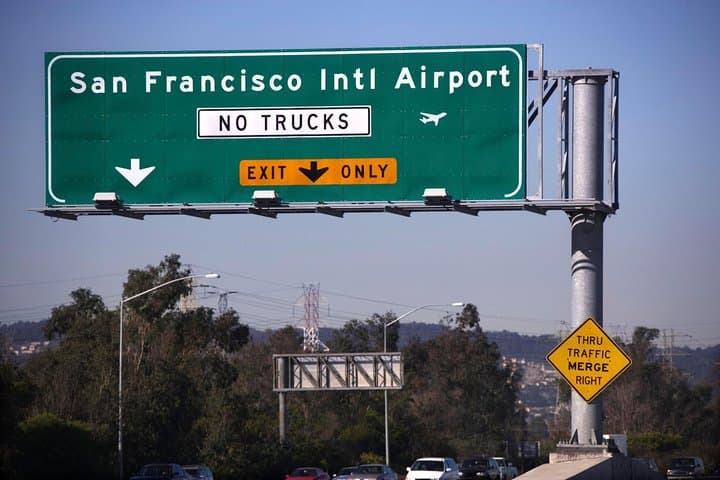
Practical guidance: plan pickups with generous buffers—SFO’s arrival queues and parking loops add time. For arrivals, allow the operator’s monitored-flight pickup window; for departures, confirm your terminal and allow 90–120 minutes drive plus airport check-in time. Expect complimentary water and onboard Wi‑Fi; gratuity is customary.
Logistics tips: size your vehicle to luggage and passenger counts, request car seats in advance, and track events in Napa—harvest, concerts and festivals can double travel times. This private transfer removes the navigation and parking hassle, leaving you free to start your Napa experience the moment you step into the vehicle.
easy.
2–3 hours.
No special fitness required; suitable for travelers comfortable sitting for 1.5–3 hours.
Typical drive time is 60–90 minutes depending on traffic and time of day; plan for up to 2 hours during peak events.
Drivers usually meet passengers at designated curbside or meet-and-greet locations; confirm specific pickup procedures when booking.
Yes—infant and toddler car seats are available upon request but must be reserved in advance.
Gratuity is not included; tipping the chauffeur is customary for good service.
Napa Valley’s modern wine industry grew from 19th-century agriculture and late-20th-century investment; transportation links to San Francisco accelerated tourism and tasting-room economies.
The valley balances tourism with water management and sustainable viticulture initiatives—travelers should minimize idling, respect private property and follow local parking rules.
1st Classic Airport Transportation Limousine Car Service operates guided outdoor trips and adventures with an emphasis on safety, stewardship, and memorable experiences.
The first moments after touchdown set the tone: fluorescent airport light gives way to sundappled vineyards as the chauffeur guides an executive SUV onto Highway 101. Glass towers of San Francisco slide behind you, and within an hour the hills of Napa begin to rise, rows of vines stepping down toward the river like measured breaths.
The first moments after touchdown set the tone: fluorescent airport light gives way to sundappled vineyards as the chauffeur guides an executive SUV onto Highway 101. Glass towers of San Francisco slide behind you, and within an hour the hills of Napa begin to rise, rows of vines stepping down toward the river like measured breaths.
This route follows maritime California’s recent wine-country boom—an area shaped by Pleistocene alluvium and uplifted marine terraces. Napa’s settlements grew with 19th- and 20th-century agriculture and later international wine trade; today the region is a working landscape of tasting rooms, family vineyards and river corridors that still direct where roads and services run.
Culturally, the transfer bridges two travel moods: the efficiency of air travel and the slower, sensory pace of wine country. Drivers are often local, familiar with bridge traffic patterns, seasonal event surges and access points for hotels and estates.
Practical guidance: plan pickups with generous buffers—SFO’s arrival queues and parking loops add time. For arrivals, allow the operator’s monitored-flight pickup window; for departures, confirm your terminal and allow 90–120 minutes drive plus airport check-in time. Expect complimentary water and onboard Wi‑Fi; gratuity is customary.
Logistics tips: size your vehicle to luggage and passenger counts, request car seats in advance, and track events in Napa—harvest, concerts and festivals can double travel times. This private transfer removes the navigation and parking hassle, leaving you free to start your Napa experience the moment you step into the vehicle.