THE ADVENTURE COLLECTIVE® · Independent discovery and booking for outdoor travel

Skip shared shuttles and taxi lines with a private, door‑to‑door transfer from SFO to Monterey Cruise Port. Expect a roughly 2‑hour coastal drive with luggage assistance, air‑conditioned vehicles, and flexible seating for groups up to 15.
Skip shared shuttles and taxi lines with a private, door‑to‑door transfer from SFO to Monterey Cruise Port. Expect a roughly 2‑hour coastal drive with luggage assistance, air‑conditioned vehicles, and flexible seating for groups up to 15.
You step out of the arrivals hall, past the hum of luggage carts, and the driver is there with a name sign—your first deliberate contact with the California coast. The route drops you from the airport’s commuter grid onto Highway 101, then swings toward the ocean where US‑1 teases glimpses of the Pacific; by the time the cruise terminal looms, salt air and seabirds have already recalibrated your sense of place.
Verified experiences and guided adventures in the surrounding area.
Operated by taxiGo DMC · Monterey, California
You step out of the arrivals hall, past the hum of luggage carts, and the driver is there with a name sign—your first deliberate contact with the California coast. The route drops you from the airport’s commuter grid onto Highway 101, then swings toward the ocean where US‑1 teases glimpses of the Pacific; by the time the cruise terminal looms, salt air and seabirds have already recalibrated your sense of place.
Monterey’s port sits at the edge of a long industrial and maritime history: a 19th‑century fishing boomtown that fed canneries and powered a modern coastal culture. Geologically, the city borders the Monterey Submarine Canyon—the underwater scar that makes these waters rich and restless—while coastal cliffs and sandy coves mark the approach. Travelers will notice the change in temperature and light as the inland heat yields to fog and breezy bay air.
Practically, this private transfer is door‑to‑door and timed for convenience: expect roughly 2 hours and 10 minutes in normal traffic, longer during Bay Area peak times. Vehicles range from sedans to minibuses for larger groups; drivers assist with luggage and meet you curbside. Bring a light layer—the coast can be 10–15°F cooler than SFO—plus chargers and printed or digital booking details. Confirm pick‑up points and cruise check‑in times, especially if you have an afternoon embarkation.
The service reduces logistics friction so you can focus on the port’s working docks, nearby Cannery Row, or a quick shoreline walk before boarding. It’s straightforward travel: efficient, sheltered, and tuned to timing—useful for arrivals that want to move from plane to ship without second‑guessing the route.
easy.
2–2.5 hours.
Suitable for all fitness levels; primarily seated transport with brief loading/unloading of luggage
Typical drive time is about 2 hours and 10 minutes (130 minutes) under normal traffic; allow extra time during rush hours or holidays.
Yes—drivers track flight numbers when provided; notify the operator of major changes and confirm the 24‑hour cancellation policy for refunds.
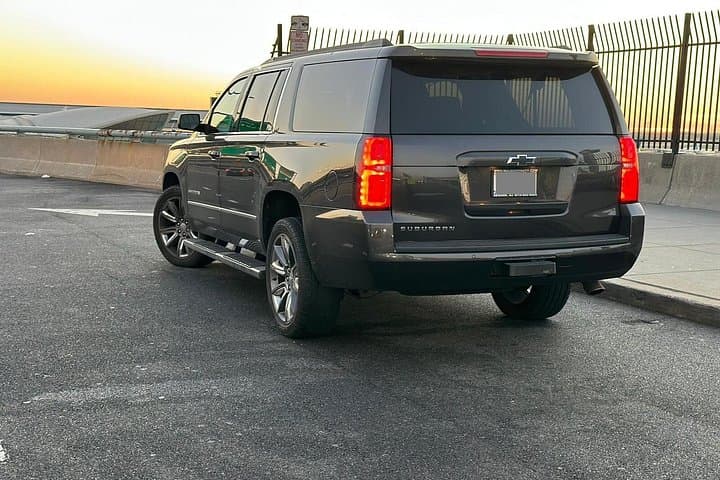
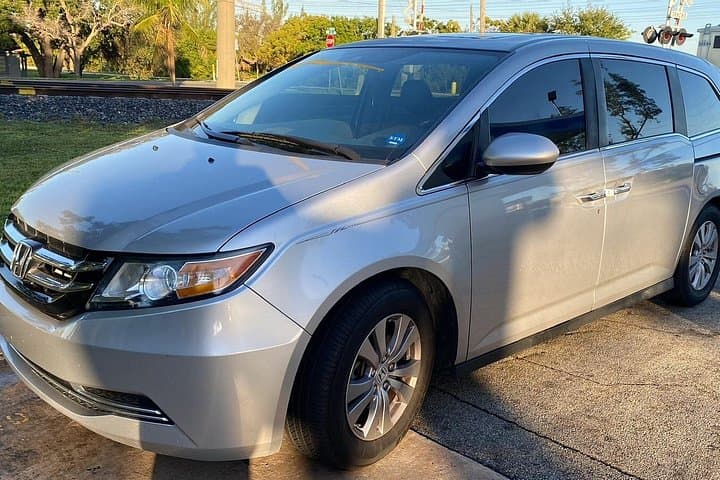
Vehicles range from sedans to minivans and minibuses; the service accommodates up to 15 passengers, with one or two vehicles provided for larger parties.
Child seats are available on request for all ages; service animals are allowed and pet policies should be confirmed ahead of time for non‑service pets.
Monterey was once California’s political center under Spanish and Mexican rule and later became the nation’s sardine‑canning capital, shaping its waterfront culture.
The port sits inside view of the Monterey Bay National Marine Sanctuary; follow signage, avoid disturbing wildlife, and dispose of trash to protect fragile marine habitats.
taxiGo DMC operates guided outdoor trips and adventures with an emphasis on safety, stewardship, and memorable experiences.


You step out of the arrivals hall, past the hum of luggage carts, and the driver is there with a name sign—your first deliberate contact with the California coast. The route drops you from the airport’s commuter grid onto Highway 101, then swings toward the ocean where US‑1 teases glimpses of the Pacific; by the time the cruise terminal looms, salt air and seabirds have already recalibrated your sense of place.
You step out of the arrivals hall, past the hum of luggage carts, and the driver is there with a name sign—your first deliberate contact with the California coast. The route drops you from the airport’s commuter grid onto Highway 101, then swings toward the ocean where US‑1 teases glimpses of the Pacific; by the time the cruise terminal looms, salt air and seabirds have already recalibrated your sense of place.
Monterey’s port sits at the edge of a long industrial and maritime history: a 19th‑century fishing boomtown that fed canneries and powered a modern coastal culture. Geologically, the city borders the Monterey Submarine Canyon—the underwater scar that makes these waters rich and restless—while coastal cliffs and sandy coves mark the approach. Travelers will notice the change in temperature and light as the inland heat yields to fog and breezy bay air.
Practically, this private transfer is door‑to‑door and timed for convenience: expect roughly 2 hours and 10 minutes in normal traffic, longer during Bay Area peak times. Vehicles range from sedans to minibuses for larger groups; drivers assist with luggage and meet you curbside. Bring a light layer—the coast can be 10–15°F cooler than SFO—plus chargers and printed or digital booking details. Confirm pick‑up points and cruise check‑in times, especially if you have an afternoon embarkation.
The service reduces logistics friction so you can focus on the port’s working docks, nearby Cannery Row, or a quick shoreline walk before boarding. It’s straightforward travel: efficient, sheltered, and tuned to timing—useful for arrivals that want to move from plane to ship without second‑guessing the route.