THE ADVENTURE COLLECTIVE® · Independent discovery and booking for outdoor travel

Choose a private, custom walking tour to see Seoul through a local’s eyes—history, food, and tucked-away alleys tailored to your interests. Flexible durations and direct host communication make this an ideal way to explore both iconic sights and lesser-known neighborhoods.
Choose a private, custom walking tour to see Seoul through a local’s eyes—history, food, and tucked-away alleys tailored to your interests. Flexible durations and direct host communication make this an ideal way to explore both iconic sights and lesser-known neighborhoods.
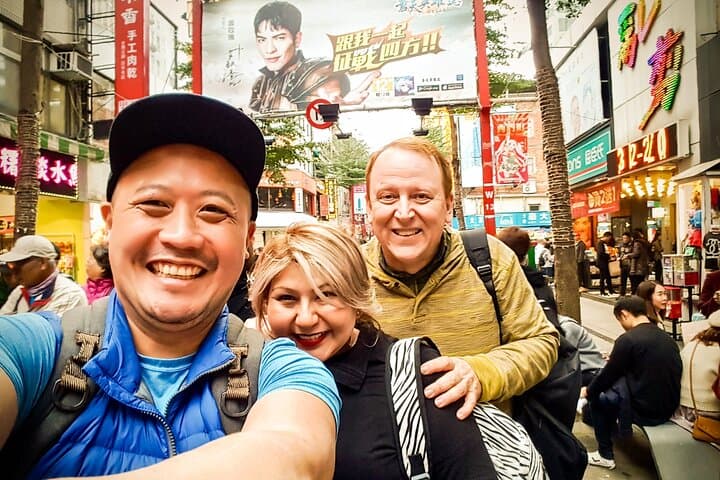
You step off a brisk subway platform and into Seoul’s layered streets: neon and hanbok, high-rises and tiled roofs rubbing shoulders. A local host meets you with a message and a map, and the city begins to rearrange itself—alleyways open like pages, a restored stream dares you to slow down, and palace gates mark centuries of changing power.
Verified experiences and guided adventures in the surrounding area.
Operated by City Unscripted · Seoul, Seoul
You step off a brisk subway platform and into Seoul’s layered streets: neon and hanbok, high-rises and tiled roofs rubbing shoulders. A local host meets you with a message and a map, and the city begins to rearrange itself—alleyways open like pages, a restored stream dares you to slow down, and palace gates mark centuries of changing power.
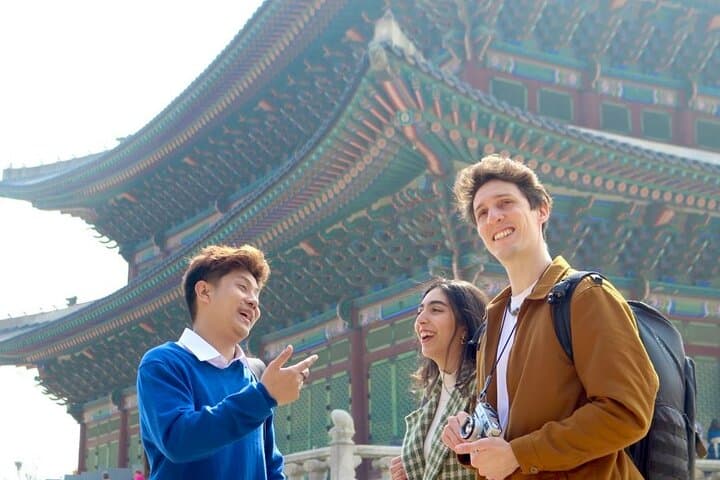
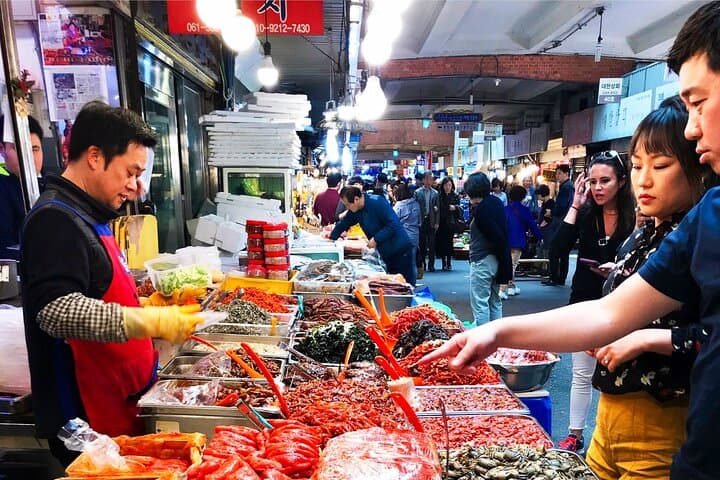
Seoul’s story is plain in its bones: royal courts centered at Gyeongbokgung, rapid industrialization across the 20th century, and a persistent drive to rework public space—Cheonggyecheon’s daylighting is one recent chapter. Geology has shaped the city too; low granite ridges and the Han River valley channel neighborhoods and views. Culture arrives in everyday form—street food stalls, tea houses, and artisans maintaining craft skills inside hanok lanes.
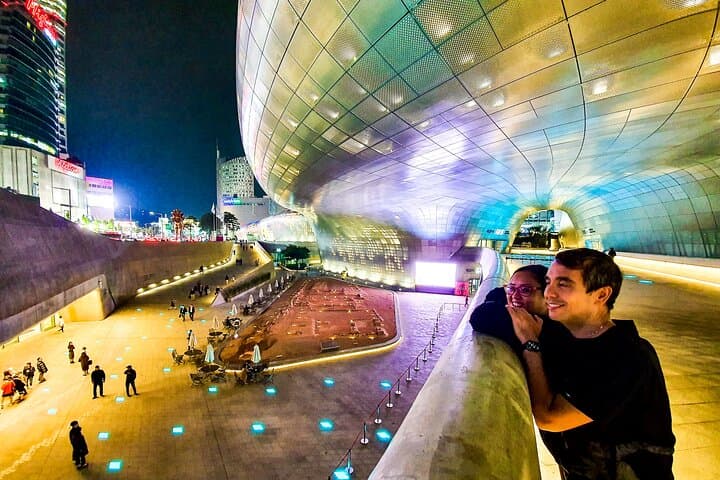
A private, custom walking tour lets a host stitch these threads together to fit your curiosity—history and architecture, market eats, contemporary design, or quiet courtyards. Expect two to six hours of walking mixed with short transit hops; the pace is adaptable and often punctuated by stops for snacks and photo-friendly views.
Practicalities: comfortable shoes and layered clothing matter—Seoul’s weather swings, and many lanes are cobbled or stepped. Carry a transit card (T-money), a portable charger, and a small umbrella in the rainy months. Ask your host about wheelchair access and local etiquette—removing shoes in certain spaces and speaking softly in shrines and museums keeps interactions smooth. With local insight, a city of contrasts becomes a route you can move through confidently and curiously.
easy.
2–6 hours.
Suitable for most fitness levels; expect several miles of walking at an urban pace with occasional stair climbs.
Hosts typically reach out within 24 hours of booking to confirm preferences and propose an itinerary based on your questionnaire.
Many central routes and plazas are accessible, but some hanok alleys and palace grounds have steps—discuss access needs with your host before booking.
No—public transit and taxi costs between neighborhoods are usually paid by participants; your host can advise on the most efficient options.
Yes—hosts can arrange food stops and suggest museums; admission fees aren’t typically included and should be budgeted separately.
Seoul grew from fortified Joseon-era centers like Gyeongbokgung into a modern metropolis; layers of dynasty, colonial period, and post-war redevelopment are visible in architecture and urban layout.
Respect for historic structures and litter-free streets is emphasized—supporting small local businesses and following host guidance helps reduce tourism impact.
City Unscripted operates guided outdoor trips and adventures with an emphasis on safety, stewardship, and memorable experiences.
You step off a brisk subway platform and into Seoul’s layered streets: neon and hanbok, high-rises and tiled roofs rubbing shoulders. A local host meets you with a message and a map, and the city begins to rearrange itself—alleyways open like pages, a restored stream dares you to slow down, and palace gates mark centuries of changing power.
You step off a brisk subway platform and into Seoul’s layered streets: neon and hanbok, high-rises and tiled roofs rubbing shoulders. A local host meets you with a message and a map, and the city begins to rearrange itself—alleyways open like pages, a restored stream dares you to slow down, and palace gates mark centuries of changing power.
Seoul’s story is plain in its bones: royal courts centered at Gyeongbokgung, rapid industrialization across the 20th century, and a persistent drive to rework public space—Cheonggyecheon’s daylighting is one recent chapter. Geology has shaped the city too; low granite ridges and the Han River valley channel neighborhoods and views. Culture arrives in everyday form—street food stalls, tea houses, and artisans maintaining craft skills inside hanok lanes.
A private, custom walking tour lets a host stitch these threads together to fit your curiosity—history and architecture, market eats, contemporary design, or quiet courtyards. Expect two to six hours of walking mixed with short transit hops; the pace is adaptable and often punctuated by stops for snacks and photo-friendly views.
Practicalities: comfortable shoes and layered clothing matter—Seoul’s weather swings, and many lanes are cobbled or stepped. Carry a transit card (T-money), a portable charger, and a small umbrella in the rainy months. Ask your host about wheelchair access and local etiquette—removing shoes in certain spaces and speaking softly in shrines and museums keeps interactions smooth. With local insight, a city of contrasts becomes a route you can move through confidently and curiously.