THE ADVENTURE COLLECTIVE® · Independent discovery and booking for outdoor travel

Skip the crowded lines and let a licensed local guide unpack Rodin’s technique, relationships, and the stories behind iconic works. This private two‑hour tour combines close looking in galleries with a contemplative stroll through the museum gardens.
Skip the crowded lines and let a licensed local guide unpack Rodin’s technique, relationships, and the stories behind iconic works. This private two‑hour tour combines close looking in galleries with a contemplative stroll through the museum gardens.
Morning light moves over gravel and bronze in the Musée Rodin garden, where the air smells faintly of metal and autumn leaves. A small group gathers at the Hôtel Biron entrance; the guide unfolds a story that begins in plaster, continues in cast bronze, and ends in the quiet authority of the gallery rooms. The pace is deliberate—close looks, a pause for context, and then a slow walk through the courtyard and galleries.
Verified experiences and guided adventures in the surrounding area.
Operated by Tour Across Worlds · Paris, Île-de-France
Morning light moves over gravel and bronze in the Musée Rodin garden, where the air smells faintly of metal and autumn leaves. A small group gathers at the Hôtel Biron entrance; the guide unfolds a story that begins in plaster, continues in cast bronze, and ends in the quiet authority of the gallery rooms. The pace is deliberate—close looks, a pause for context, and then a slow walk through the courtyard and galleries.
The museum began when Rodin entrusted his works and collections to the French state in the early 20th century; the setting itself, an 18th‑century mansion, frames sculptures in domestic scale. Geology here is human-made: marble, plaster, and bronze that record technique, weathering, and conservation choices. The collection connects to Parisian culture and later artists—pieces by Camille Claudel and a handful of Van Gogh drawings appear in displays that underline Rodin's role in modern sculpture.
Practicalities matter: this private tour runs about two hours and includes admission and skip‑the‑line access. You will stand for extended close viewing and walk across garden paths—comfortable shoes help. Photography is generally allowed in gardens but check each gallery; no flash near bronzes or pastels. Guides tailor commentary to mixed audiences, from first‑time visitors to art students, so mention interests when you meet.
Timing the visit for early or late in the day reduces crowds and lends intimacy to works such as The Thinker and The Gates of Hell. The garden invites a moment to breathe before you step back into the city streets.
easy.
2 hours.
Suitable for most people; involves moderate walking and standing with short distances on uneven garden paths.
Yes; the private format allows the guide to adapt commentary, but children should be supervised near sculptures and water features in the garden.
Mobile tickets are accepted; have your booking reference ready on your phone at meeting time.
Photography rules vary by room—garden photography is generally allowed while some galleries prohibit flash or close contact; follow the guide’s directions.
The Hôtel Biron and main visitor routes are wheelchair accessible; inform the operator about accessibility needs when booking to ensure a smooth visit.
Rodin donated his works and collections to the French state in the early 20th century; the museum occupies the 18th‑century Hôtel Biron and its landscaped gardens.
Bronze patina and marble surfaces are closely managed; visitors are asked not to touch artworks and to stay on designated paths to protect finishes and plantings.
Tour Across Worlds operates guided outdoor trips and adventures with an emphasis on safety, stewardship, and memorable experiences.

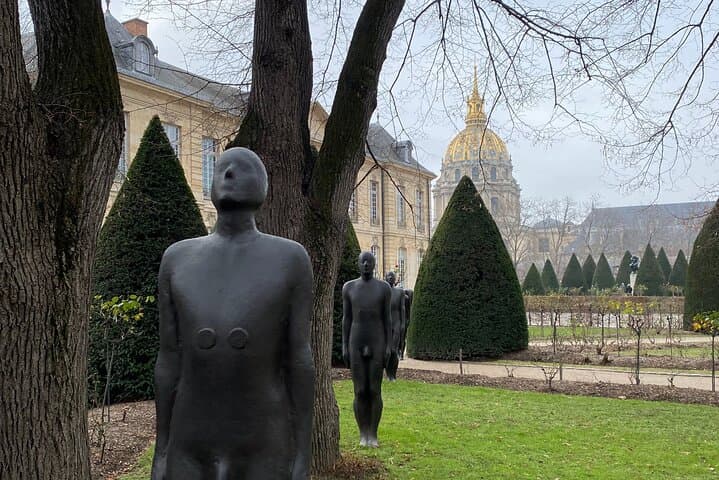

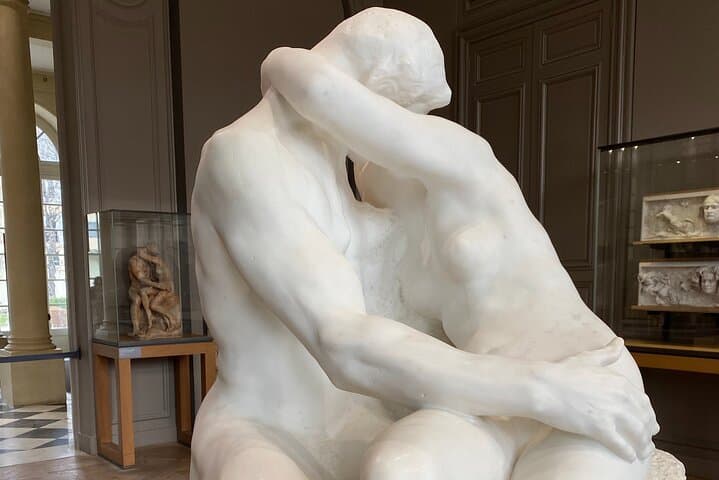
Morning light moves over gravel and bronze in the Musée Rodin garden, where the air smells faintly of metal and autumn leaves. A small group gathers at the Hôtel Biron entrance; the guide unfolds a story that begins in plaster, continues in cast bronze, and ends in the quiet authority of the gallery rooms. The pace is deliberate—close looks, a pause for context, and then a slow walk through the courtyard and galleries.
Morning light moves over gravel and bronze in the Musée Rodin garden, where the air smells faintly of metal and autumn leaves. A small group gathers at the Hôtel Biron entrance; the guide unfolds a story that begins in plaster, continues in cast bronze, and ends in the quiet authority of the gallery rooms. The pace is deliberate—close looks, a pause for context, and then a slow walk through the courtyard and galleries.
The museum began when Rodin entrusted his works and collections to the French state in the early 20th century; the setting itself, an 18th‑century mansion, frames sculptures in domestic scale. Geology here is human-made: marble, plaster, and bronze that record technique, weathering, and conservation choices. The collection connects to Parisian culture and later artists—pieces by Camille Claudel and a handful of Van Gogh drawings appear in displays that underline Rodin's role in modern sculpture.
Practicalities matter: this private tour runs about two hours and includes admission and skip‑the‑line access. You will stand for extended close viewing and walk across garden paths—comfortable shoes help. Photography is generally allowed in gardens but check each gallery; no flash near bronzes or pastels. Guides tailor commentary to mixed audiences, from first‑time visitors to art students, so mention interests when you meet.
Timing the visit for early or late in the day reduces crowds and lends intimacy to works such as The Thinker and The Gates of Hell. The garden invites a moment to breathe before you step back into the city streets.