THE ADVENTURE COLLECTIVE® · Independent discovery and booking for outdoor travel

Head offshore from Muscat for a private, guided day of snorkeling and scuba at protected reefs. Expect two water sessions, a boxed lunch, and strong chances to see turtles and reef life—with seasonal opportunities to spot whale sharks.
Head offshore from Muscat for a private, guided day of snorkeling and scuba at protected reefs. Expect two water sessions, a boxed lunch, and strong chances to see turtles and reef life—with seasonal opportunities to spot whale sharks.
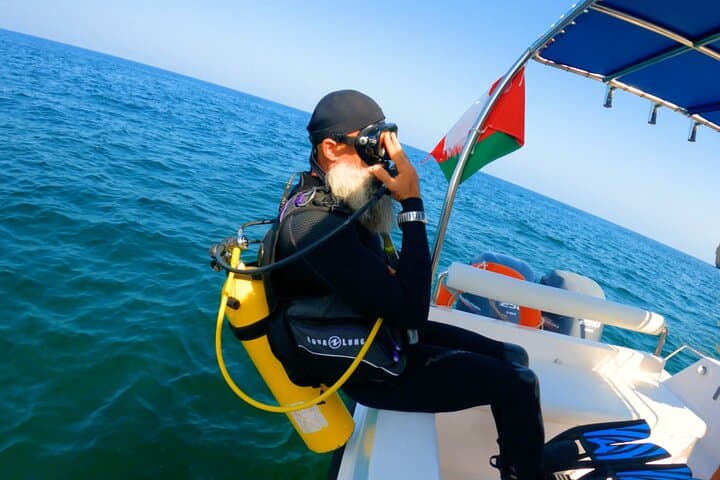
You step off the marina and the city’s heat gives way to a flat, blue horizon. The boat pulls away from Bandar Al Rowdha, the shoreline punctuated by low cliffs and occasional fishing dhows, and the conversation narrows to engine hum, the slap of wake, and the promise of clear water ahead.
Verified experiences and guided adventures in the surrounding area.
Operated by QTours.om · Muscat, Muscat Governorate
You step off the marina and the city’s heat gives way to a flat, blue horizon. The boat pulls away from Bandar Al Rowdha, the shoreline punctuated by low cliffs and occasional fishing dhows, and the conversation narrows to engine hum, the slap of wake, and the promise of clear water ahead.
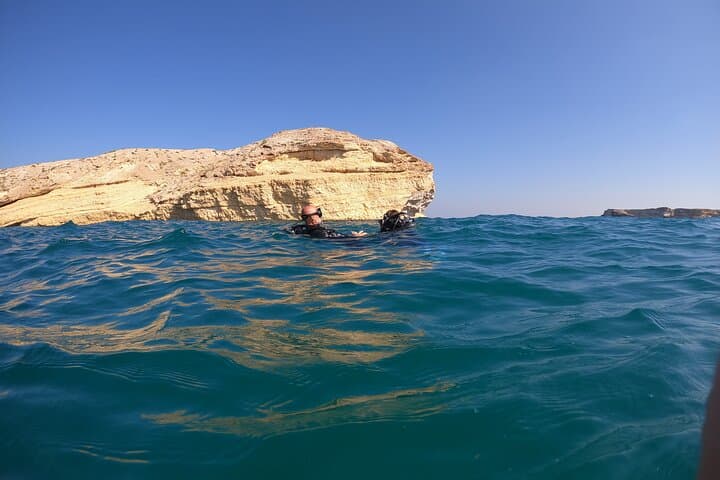
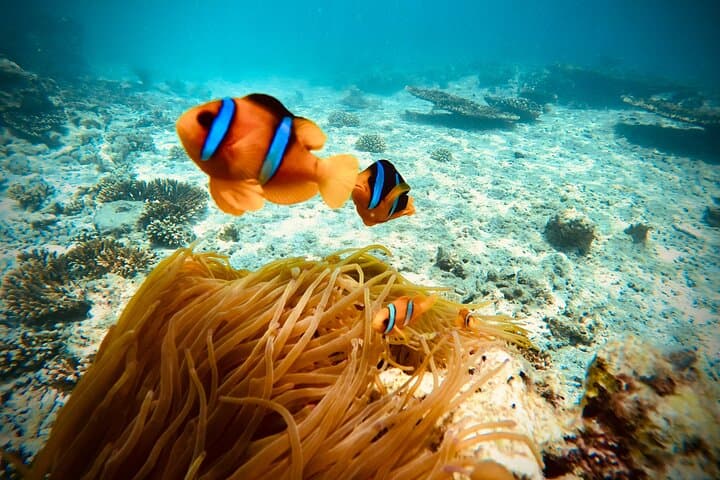
The Daymaniyat Islands and nearby Bandar al Khairan are protected marine areas off Muscat’s coast, known for hard and soft corals, compact reef gardens and seasonal pelagics. Geologically the coastline alternates between carbonate shelves and rocky promontories carved by tides; currents here shape channels where marine life concentrates. The area’s coastal culture still centers on small-scale fishing and dhow travel—on a calm morning you’ll likely see local fishermen tending nets as your crew prepares tanks.
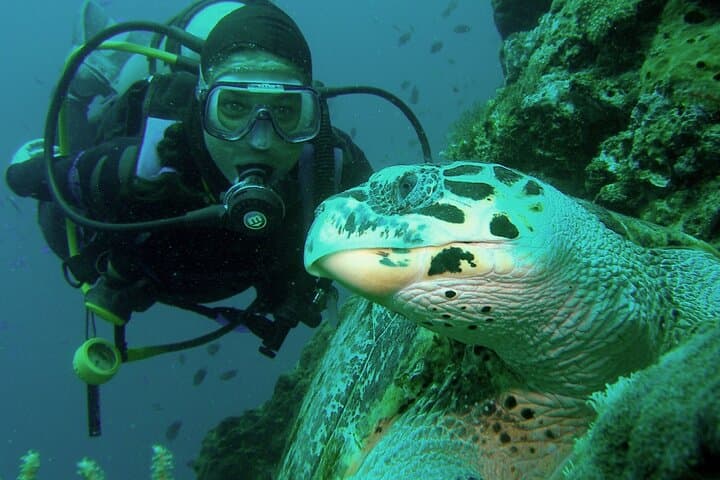
Expect two dive or snorkel stops on a typical six-hour private trip: a morning session, a lunch box on board, then an afternoon slot when light slants across the reef. Sea turtles, schooling fusiliers and reef sharks are common; between July and October there’s a chance—never a guarantee—of whale sharks or larger cetaceans passing nearby.
Practical notes: bring a reef-safe sunscreen, a certification card if you’re a licensed diver, and a towel. The operator supplies SCUBA and snorkel gear and a PADI professional guide; if you’re non-certified, ask about an introductory dive before booking. Hydrate well before boarding; morning departures are cooler and often offer the best visibility. Respect the reserve: avoid touching coral, take all litter back to shore, and follow the guide’s briefings so the day stays safe and focused on the sea.
moderate.
6 hours.
Good basic fitness and comfort swimming are advised; expect short swims from the boat and basic entry/exit movements.
Check with the operator—many private trips accommodate certified divers and can offer a guided introductory scuba experience for non-certified guests under a PADI professional’s supervision.
Common sightings include green and hawksbill turtles, colorful reef fish, occasional reef sharks, and seasonal visitors like whale sharks between July and October.
The excursion runs about six hours and typically includes use of SCUBA and snorkeling equipment, bottled water, snacks and a boxed lunch, plus a PADI professional dive guide.
Operators commonly cancel for unsafe sea conditions and will offer a full refund if they cancel due to weather; confirm the 24-hour cancellation window when booking.
The coastal villages around Muscat have long histories of fishing and dhow trade; the islands were later designated marine reserves to protect breeding sites for turtles and fish stocks.
The area is a protected reserve—visitors should avoid touching or standing on coral, secure any plastics, and follow guide instructions to minimize disturbance to nesting or feeding wildlife.
QTours.om operates guided outdoor trips and adventures with an emphasis on safety, stewardship, and memorable experiences.
You step off the marina and the city’s heat gives way to a flat, blue horizon. The boat pulls away from Bandar Al Rowdha, the shoreline punctuated by low cliffs and occasional fishing dhows, and the conversation narrows to engine hum, the slap of wake, and the promise of clear water ahead.
You step off the marina and the city’s heat gives way to a flat, blue horizon. The boat pulls away from Bandar Al Rowdha, the shoreline punctuated by low cliffs and occasional fishing dhows, and the conversation narrows to engine hum, the slap of wake, and the promise of clear water ahead.
The Daymaniyat Islands and nearby Bandar al Khairan are protected marine areas off Muscat’s coast, known for hard and soft corals, compact reef gardens and seasonal pelagics. Geologically the coastline alternates between carbonate shelves and rocky promontories carved by tides; currents here shape channels where marine life concentrates. The area’s coastal culture still centers on small-scale fishing and dhow travel—on a calm morning you’ll likely see local fishermen tending nets as your crew prepares tanks.
Expect two dive or snorkel stops on a typical six-hour private trip: a morning session, a lunch box on board, then an afternoon slot when light slants across the reef. Sea turtles, schooling fusiliers and reef sharks are common; between July and October there’s a chance—never a guarantee—of whale sharks or larger cetaceans passing nearby.
Practical notes: bring a reef-safe sunscreen, a certification card if you’re a licensed diver, and a towel. The operator supplies SCUBA and snorkel gear and a PADI professional guide; if you’re non-certified, ask about an introductory dive before booking. Hydrate well before boarding; morning departures are cooler and often offer the best visibility. Respect the reserve: avoid touching coral, take all litter back to shore, and follow the guide’s briefings so the day stays safe and focused on the sea.