THE ADVENTURE COLLECTIVE® · Independent discovery and booking for outdoor travel

Spend a long, revealing day across Highland moor, living history at the Highland Folk Museum and the solemn ground of Culloden Battlefield, capped by a visit to Dalwhinnie Distillery. This private tour balances comfort with short walks and layered, landscape-rich stops.
Spend a long, revealing day across Highland moor, living history at the Highland Folk Museum and the solemn ground of Culloden Battlefield, capped by a visit to Dalwhinnie Distillery. This private tour balances comfort with short walks and layered, landscape-rich stops.
You step out of a comfortable, climate-controlled minivan as the Highlands open up — a swathe of heathered moor and low, wind-cut hills. The day moves at road-speed between small towns: a coffee stop in Pitlochry under an overcast sky, a window-shopping pause at the House of Bruar, then a walk through recreated croft houses where peat smoke seems to cling to rafters.
Verified experiences and guided adventures in the surrounding area.
Operated by Wee Scottish Tours · Inverness, Highlands
You step out of a comfortable, climate-controlled minivan as the Highlands open up — a swathe of heathered moor and low, wind-cut hills. The day moves at road-speed between small towns: a coffee stop in Pitlochry under an overcast sky, a window-shopping pause at the House of Bruar, then a walk through recreated croft houses where peat smoke seems to cling to rafters.
The route threads history into landscape. Culloden Moor, where the Jacobite rising met its end in 1746, is a flat, open battlefield whose hummocky peat and memorial stones keep quiet company with the wind. Geologically this region is old Dalradian rock pushed and scoured by glaciation; the soil is thin, acidic, and favors blanket bog and heather rather than trees.
Culturally the day mixes Highland craft and modern hospitality: the Highland Folk Museum preserves everyday life from the 1700s onward, while Dalwhinnie Distillery samples tell a story of barley, peat and water high above sea level.
Practical guidance: this is a long 10–12 hour circuit with multiple short walks over uneven ground; bring waterproof layers, sturdy footwear, and a small daypack for snacks and a camera. Expect wind and quick showers; the tour provides bottled water and snacks but not battlefield admission. Timing matters — winter daylight is short, and summer gives long evening light. Be prepared for accessible stops but some cobbled or grassy surfaces at historic sites. The trip is immersive, historically focused, and best for travelers who want structured comfort with opportunities to walk and explore key Highland sites.
moderate.
10–12 hours.
Suitable for travelers in average fitness who can manage multiple short walks and steps; minimal sustained exertion.
The private tour runs about 10–12 hours total; expect several hours of combined driving between Pitlochry, the Highland Folk Museum, Culloden and Dalwhinnie, with multiple short stops.
Admission is not included for museum or battlefield entry; the itinerary includes stops and time to explore but separate tickets may be required.
The tour is suitable for many fitness levels and provides rest stops and an air-conditioned vehicle, but some sites have uneven terrain and are not fully wheelchair accessible.
The tour supplies bottled water and snacks; you’ll have opportunities to purchase lunch at the House of Bruar or nearby cafés, and distillery tours may have tasting fees.
Culloden was the site of the 1746 battle that ended the Jacobite rising; the moor’s preserved landscape and memorials reflect that decisive moment in British history.
Culloden and surrounding peatlands are managed to protect fragile archaeology and carbon-rich bogs; visitors should stay on paths and avoid disturbing vegetation.
Wee Scottish Tours operates guided outdoor trips and adventures with an emphasis on safety, stewardship, and memorable experiences.
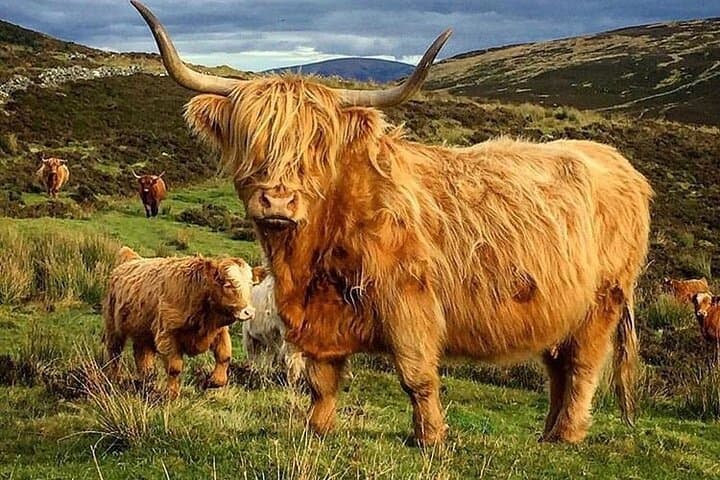
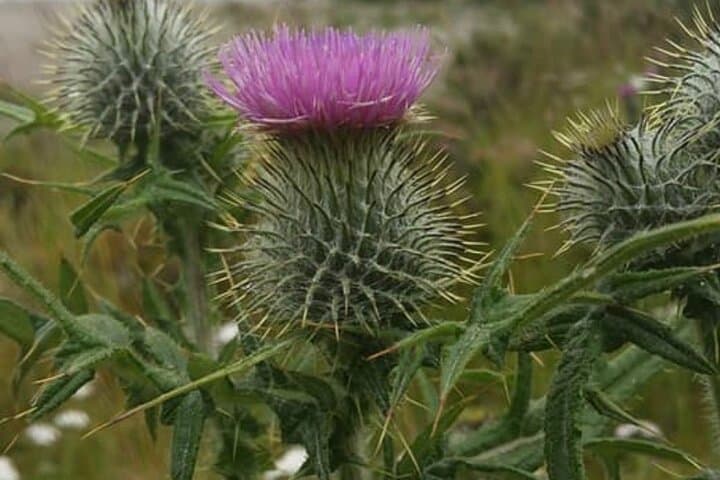
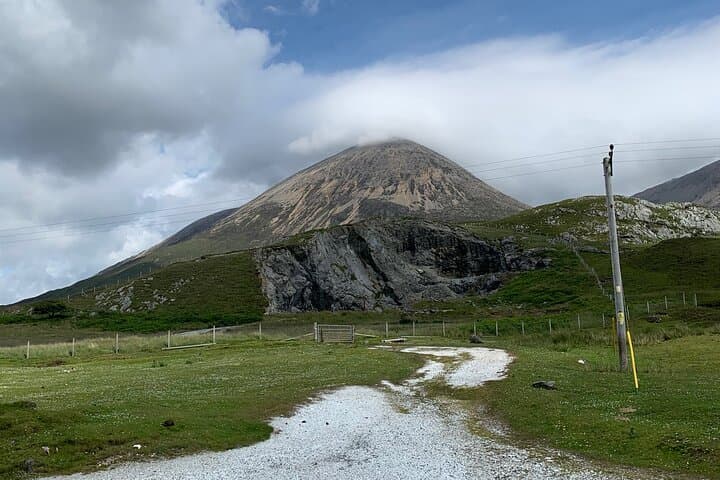
You step out of a comfortable, climate-controlled minivan as the Highlands open up — a swathe of heathered moor and low, wind-cut hills. The day moves at road-speed between small towns: a coffee stop in Pitlochry under an overcast sky, a window-shopping pause at the House of Bruar, then a walk through recreated croft houses where peat smoke seems to cling to rafters.
You step out of a comfortable, climate-controlled minivan as the Highlands open up — a swathe of heathered moor and low, wind-cut hills. The day moves at road-speed between small towns: a coffee stop in Pitlochry under an overcast sky, a window-shopping pause at the House of Bruar, then a walk through recreated croft houses where peat smoke seems to cling to rafters.
The route threads history into landscape. Culloden Moor, where the Jacobite rising met its end in 1746, is a flat, open battlefield whose hummocky peat and memorial stones keep quiet company with the wind. Geologically this region is old Dalradian rock pushed and scoured by glaciation; the soil is thin, acidic, and favors blanket bog and heather rather than trees.
Culturally the day mixes Highland craft and modern hospitality: the Highland Folk Museum preserves everyday life from the 1700s onward, while Dalwhinnie Distillery samples tell a story of barley, peat and water high above sea level.
Practical guidance: this is a long 10–12 hour circuit with multiple short walks over uneven ground; bring waterproof layers, sturdy footwear, and a small daypack for snacks and a camera. Expect wind and quick showers; the tour provides bottled water and snacks but not battlefield admission. Timing matters — winter daylight is short, and summer gives long evening light. Be prepared for accessible stops but some cobbled or grassy surfaces at historic sites. The trip is immersive, historically focused, and best for travelers who want structured comfort with opportunities to walk and explore key Highland sites.