THE ADVENTURE COLLECTIVE® · Independent discovery and booking for outdoor travel

A private day tour from Messina that traces cinematic Savoca, hilltop Castelmola and the pedestrian charms of Taormina, with panoramic stops at Isola Bella and Messina’s Duomo. Expect cobbled streets, theater terraces and views of Mount Etna.
A private day tour from Messina that traces cinematic Savoca, hilltop Castelmola and the pedestrian charms of Taormina, with panoramic stops at Isola Bella and Messina’s Duomo. Expect cobbled streets, theater terraces and views of Mount Etna.
You step off the ship into bright Sicilian air and the van eases away from Messina’s port, the Strait of Messina opening like a challenge across the water.
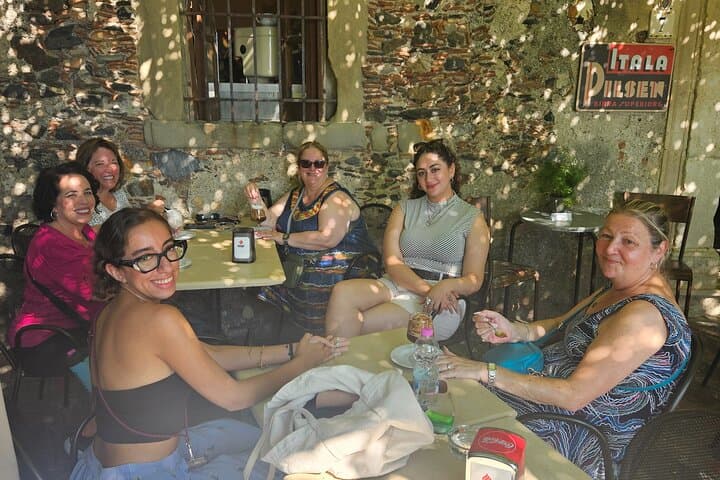
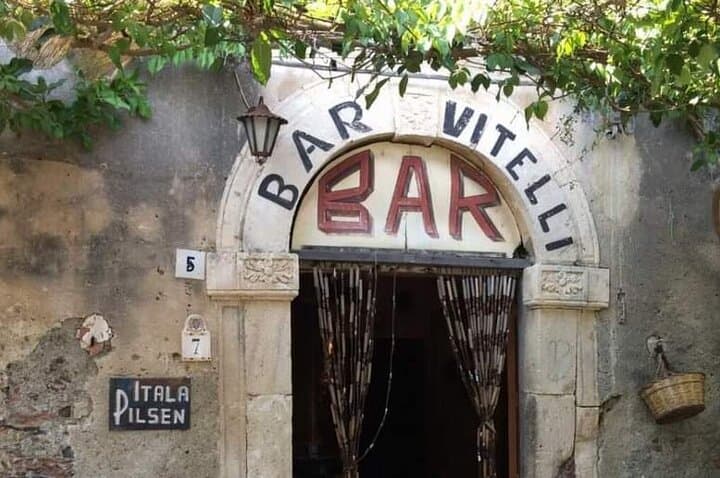
First stop: Savoca, narrow lanes of stone and the Vitelli bar where The Godfather filmed scenes that fixed the town in cinematic memory; the cathedral’s worn steps recall centuries of local ritual.
From there the road climbs to Castelmola, a village that perches above Taormina and offers a clean line of sight to Mount Etna—its black flank a geological actor shaping soil, views and local vineyards.
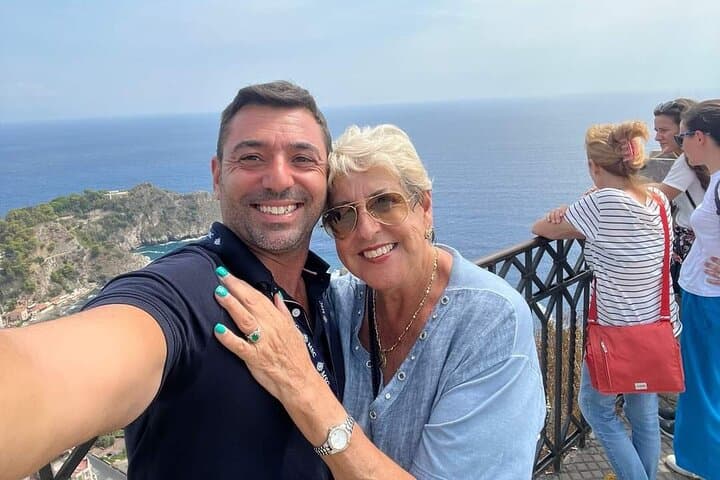
Taormina arrives last and longest: a pedestrian spine of Corso Umberto, stone stairways, boutique shops and the ancient Greek theatre that bends toward the sea. Isola Bella sits like a small island reserve below, its pebble coves and scrub asking for quiet respect.
Finish with a panoramic pause at the Sanctuary of Cristo Re to look down the narrow strait, then Messina’s Duomo where the astronomical clock still marks hours that governed town life for centuries.
History here layers Greek colonies, Norman rule and Baroque rebuilds; the volcanic geology of Etna made the land both fertile and unpredictable. Culture is public—cafés, churches and plazas—and pace varies from sleepy village rituals to Taormina’s touristed rhythm.
Practical guide: comfortable, grippy shoes for cobbles and stairs; a light wind layer; water and small change for cafes and entrances. Aim for early or late in the day to avoid peak heat and crowds. Allow flexibility—the route is designed to return to your ship on time, but local traffic and foot rhythms can be slow. Respect fragile coastal reserves and historic sites: stay on paths and keep noise low.
Verified experiences and guided adventures in the surrounding area.
Operated by Sicily Best Excursions · Messina, Sicily
You step off the ship into bright Sicilian air and the van eases away from Messina’s port, the Strait of Messina opening like a challenge across the water.
First stop: Savoca, narrow lanes of stone and the Vitelli bar where The Godfather filmed scenes that fixed the town in cinematic memory; the cathedral’s worn steps recall centuries of local ritual.
From there the road climbs to Castelmola, a village that perches above Taormina and offers a clean line of sight to Mount Etna—its black flank a geological actor shaping soil, views and local vineyards.
Taormina arrives last and longest: a pedestrian spine of Corso Umberto, stone stairways, boutique shops and the ancient Greek theatre that bends toward the sea. Isola Bella sits like a small island reserve below, its pebble coves and scrub asking for quiet respect.
Finish with a panoramic pause at the Sanctuary of Cristo Re to look down the narrow strait, then Messina’s Duomo where the astronomical clock still marks hours that governed town life for centuries.
History here layers Greek colonies, Norman rule and Baroque rebuilds; the volcanic geology of Etna made the land both fertile and unpredictable. Culture is public—cafés, churches and plazas—and pace varies from sleepy village rituals to Taormina’s touristed rhythm.
Practical guide: comfortable, grippy shoes for cobbles and stairs; a light wind layer; water and small change for cafes and entrances. Aim for early or late in the day to avoid peak heat and crowds. Allow flexibility—the route is designed to return to your ship on time, but local traffic and foot rhythms can be slow. Respect fragile coastal reserves and historic sites: stay on paths and keep noise low.
easy.
5–7 hours.
Suitable for most fitness levels; you should be comfortable walking on uneven, cobbled streets and climbing short flights of stairs.
Tickets for the Greek theatre can be purchased at the site; during high season it’s wise to reserve online in advance to avoid lines.
Many stops include cobbled streets and steps—while parts of Taormina are accessible, full wheelchair access is limited; contact the operator to discuss specific needs.
Yes—the itinerary allocates roughly 2–3 hours in Taormina so you can grab a meal, coffee or gelato and stroll Corso Umberto.
The schedule is designed to align with cruise times; guides and drivers factor in port timelines but allow some flexibility—confirm pickup details at booking.
The route threads Greek and Roman roots with Norman and Baroque rebuilds; Savoca’s role in cinema boosted modern cultural interest in traditional village life.
Isola Bella is a protected coastal environment—stick to marked paths, avoid collecting shells and support local businesses that practice sustainable tourism.
Sicily Best Excursions operates guided outdoor trips and adventures with an emphasis on safety, stewardship, and memorable experiences.
You step off the ship into bright Sicilian air and the van eases away from Messina’s port, the Strait of Messina opening like a challenge across the water.
First stop: Savoca, narrow lanes of stone and the Vitelli bar where The Godfather filmed scenes that fixed the town in cinematic memory; the cathedral’s worn steps recall centuries of local ritual.
From there the road climbs to Castelmola, a village that perches above Taormina and offers a clean line of sight to Mount Etna—its black flank a geological actor shaping soil, views and local vineyards.
Taormina arrives last and longest: a pedestrian spine of Corso Umberto, stone stairways, boutique shops and the ancient Greek theatre that bends toward the sea. Isola Bella sits like a small island reserve below, its pebble coves and scrub asking for quiet respect.
Finish with a panoramic pause at the Sanctuary of Cristo Re to look down the narrow strait, then Messina’s Duomo where the astronomical clock still marks hours that governed town life for centuries.
History here layers Greek colonies, Norman rule and Baroque rebuilds; the volcanic geology of Etna made the land both fertile and unpredictable. Culture is public—cafés, churches and plazas—and pace varies from sleepy village rituals to Taormina’s touristed rhythm.
Practical guide: comfortable, grippy shoes for cobbles and stairs; a light wind layer; water and small change for cafes and entrances. Aim for early or late in the day to avoid peak heat and crowds. Allow flexibility—the route is designed to return to your ship on time, but local traffic and foot rhythms can be slow. Respect fragile coastal reserves and historic sites: stay on paths and keep noise low.