THE ADVENTURE COLLECTIVE® · Independent discovery and booking for outdoor travel

Travel from Riyadh’s museums to the silent scale of the Nafud Desert on a private, guided expedition. Expect ancient petroglyphs, volcanic lava fields and nights with Bedouin hosts, paired with city sightseeing and modern comforts.
Travel from Riyadh’s museums to the silent scale of the Nafud Desert on a private, guided expedition. Expect ancient petroglyphs, volcanic lava fields and nights with Bedouin hosts, paired with city sightseeing and modern comforts.
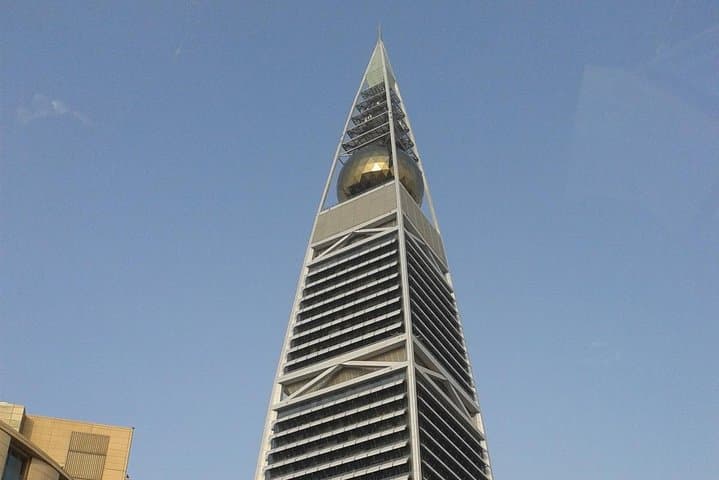
Dawn lifts the heat from a line of ochre dunes as a small convoy threads a white lava field toward an isolated camp. Travelers move from Riyadh’s modern skyline into the silent scale of the Nafud and Harrat basalt plains, guided by a German host who combines logistical knowledge with long-term local contacts.
Verified experiences and guided adventures in the surrounding area.
Operated by Lindauer Reisebuero · Riyadh, Riyadh Province
Dawn lifts the heat from a line of ochre dunes as a small convoy threads a white lava field toward an isolated camp. Travelers move from Riyadh’s modern skyline into the silent scale of the Nafud and Harrat basalt plains, guided by a German host who combines logistical knowledge with long-term local contacts.
The route follows centuries of trade: Musmak Fort and the National Museum in Riyadh recount the formation of the modern kingdom, while Diriyyah and Najd villages show Najdi architecture and social history. Geology shifts rapidly — sandstone escarpments give way to volcanic Harrat surfaces and sculpted erosional features like Al Nalaa and the elephant rock, while Jubbah and Rajajil reveal millennia-old petroglyphs and stone hedges connected to ancient caravan routes.
Culturally the trip balances museum visits, souk walks and nights with Bedouin hosts; travelers should expect formalities around religious sites and an emphasis on respectful dress and behavior.
Practical guidance: pack layers for hot days and cold desert nights, and plan logistics around limited services outside major cities. Distances are long — many days involve multi-hour drives between sites — so stamina for regular transfers is essential. Footwear should handle sand, rock and occasional short hikes to viewpoints. Hydration, sunscreen and a valid visa are non-negotiable; your guide arranges most permits, local drivers and accommodation but keep personal documents and medications close at hand.
This is a logistics-heavy, landscape-rich itinerary for travelers who want history, geology and immersive desert nights rather than fast-paced resort travel.
moderate.
11 days.
Participants should have moderate fitness to handle multiple transfers, short walks on uneven terrain and occasional hikes.
Most nationalities require a visa; check current Saudi e-visa policies and obtain necessary documents before travel.
Non-Muslims are not allowed inside the holy precinct of Mecca and the inner area of Medina (Haram); the tour provides photo stops and external viewpoints where appropriate.
The itinerary involves mainly driving and short walks to sites; basic mobility and the ability to climb short uneven steps are usually sufficient.
Yes; the itinerary offers Bedouin camp nights and tent options, and accommodations in nearby hotels for those who prefer them.
Stops like Diriyyah, Jubbah and Marid Castle trace regional trade routes and political centers from pre-Islamic to modern Saudi state formation.
Visitors should avoid disturbing archaeological sites, stick to marked paths and minimize single-use plastics; many desert ecosystems recover slowly from trampling.
Lindauer Reisebuero operates guided outdoor trips and adventures with an emphasis on safety, stewardship, and memorable experiences.
Dawn lifts the heat from a line of ochre dunes as a small convoy threads a white lava field toward an isolated camp. Travelers move from Riyadh’s modern skyline into the silent scale of the Nafud and Harrat basalt plains, guided by a German host who combines logistical knowledge with long-term local contacts.
Dawn lifts the heat from a line of ochre dunes as a small convoy threads a white lava field toward an isolated camp. Travelers move from Riyadh’s modern skyline into the silent scale of the Nafud and Harrat basalt plains, guided by a German host who combines logistical knowledge with long-term local contacts.
The route follows centuries of trade: Musmak Fort and the National Museum in Riyadh recount the formation of the modern kingdom, while Diriyyah and Najd villages show Najdi architecture and social history. Geology shifts rapidly — sandstone escarpments give way to volcanic Harrat surfaces and sculpted erosional features like Al Nalaa and the elephant rock, while Jubbah and Rajajil reveal millennia-old petroglyphs and stone hedges connected to ancient caravan routes.
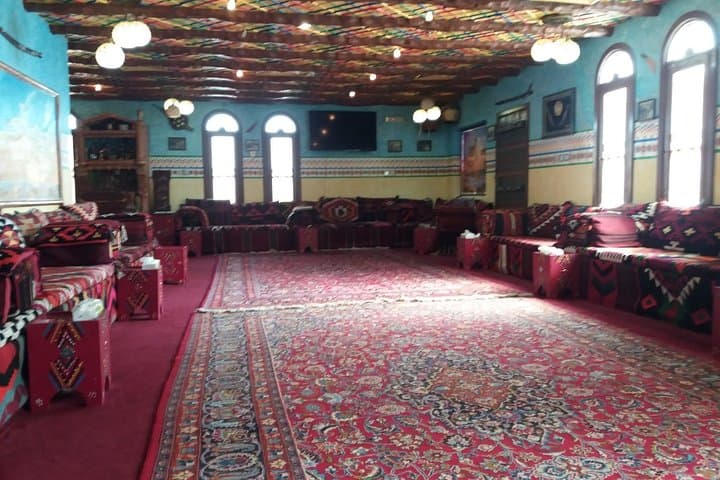
Culturally the trip balances museum visits, souk walks and nights with Bedouin hosts; travelers should expect formalities around religious sites and an emphasis on respectful dress and behavior.
Practical guidance: pack layers for hot days and cold desert nights, and plan logistics around limited services outside major cities. Distances are long — many days involve multi-hour drives between sites — so stamina for regular transfers is essential. Footwear should handle sand, rock and occasional short hikes to viewpoints. Hydration, sunscreen and a valid visa are non-negotiable; your guide arranges most permits, local drivers and accommodation but keep personal documents and medications close at hand.
This is a logistics-heavy, landscape-rich itinerary for travelers who want history, geology and immersive desert nights rather than fast-paced resort travel.