THE ADVENTURE COLLECTIVE® · Independent discovery and booking for outdoor travel

Spend a custom eight hours exploring Sapporo with a handpicked local host. This private walking tour pairs city landmarks—Odori Park, the Clock Tower, Susukino—with lesser-known neighborhood gems tailored to your interests.
Spend a custom eight hours exploring Sapporo with a handpicked local host. This private walking tour pairs city landmarks—Odori Park, the Clock Tower, Susukino—with lesser-known neighborhood gems tailored to your interests.
The day opens at JR Sapporo Station: steam rising from nearby street vents, trams clattering past, and a host waiting to turn the city into a personalized walking map.
Verified experiences and guided adventures in the surrounding area.
Operated by City Unscripted · Sapporo, Hokkaido
The day opens at JR Sapporo Station: steam rising from nearby street vents, trams clattering past, and a host waiting to turn the city into a personalized walking map.
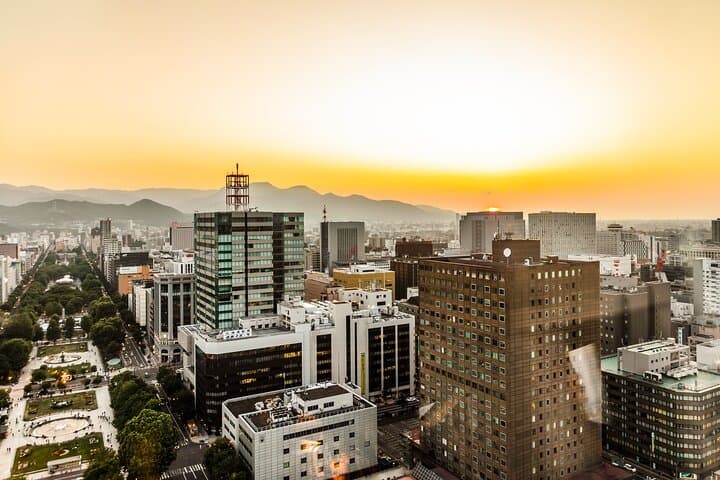
You’ll move through broad boulevards and intimate alleys, from Odori Park’s fountains and rose beds to the wooden Clock Tower that dates to 1878. The route can include Maruyama Park and Hokkaidō Shrine—places where urban design meets the island’s cooler, forested edge—and Susukino’s neon alleys where ramen steam dares you to stop. If requested, the tour can push up to the ropeway for Mount Moiwa’s observation deck after sunset for a city-light panorama.
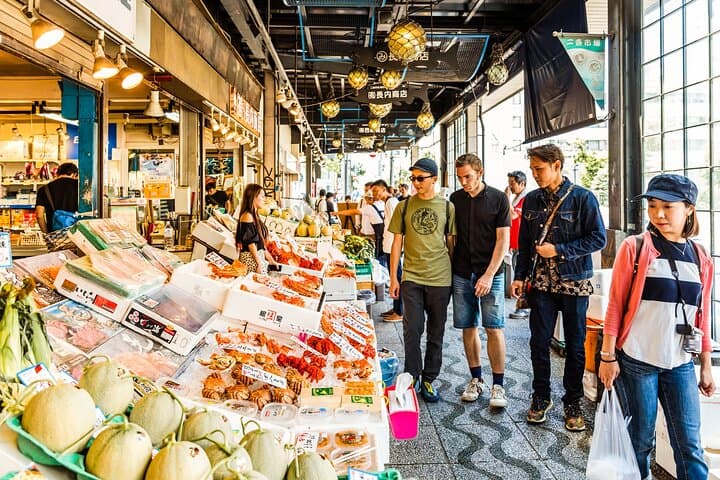
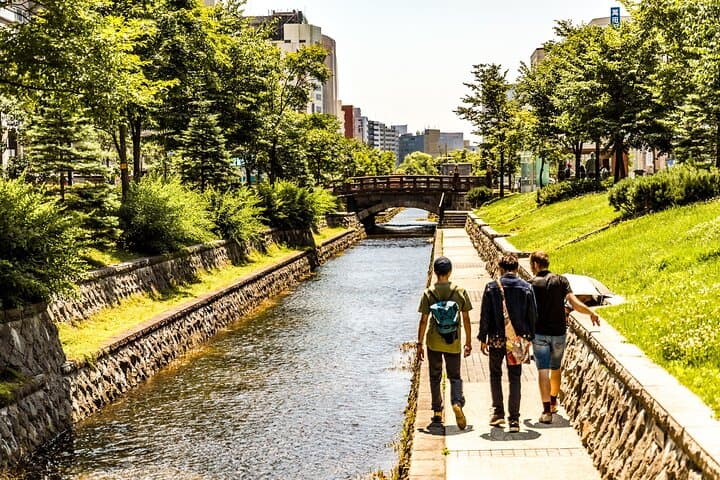
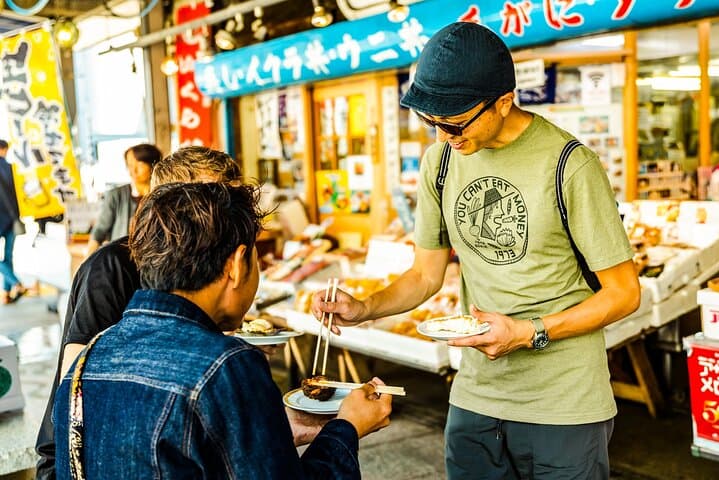
Sapporo’s layout is a product of Meiji-era planning and rapid 19th-century development; the city’s grid and wide avenues reflect that modernist impulse. Geology here is soft volcanic soils and former wetlands—hence the parks and canals carved into the urban fabric. Culture is immediate: beer halls, shrine rituals, market stalls and late-night ramen counters that locals argue over.
Practically: expect a mostly flat 6–10 km of walking spread across eight hours, with short public-transit hops optional. Wear robust walking shoes, layer for cool coastal winds, and carry an IC transit card to shorten any longer transfers. Ask your host about timing—Sapporo mornings are quieter for shrine visits; evenings suit food-focused wandering. The experience is built around your interests, so be ready to answer a short questionnaire after booking to shape an efficient, locally informed day.
easy.
8 hours.
Light all-day walking ability; comfortable on your feet for several hours with frequent short stops.
Default meeting is in front of the JR Sapporo Station tourist information center, but you can request hotel pickup or a different central meeting point.
Yes—most central routes are accessible; note any mobility needs when booking so your host can plan smooth paths and transport.
Yes—the host will tailor stops to your interests after a short questionnaire you receive post-booking.
Cancel at least 24 hours before the scheduled departure for a full refund; specific terms appear on your booking confirmation.
Sapporo was planned and rapidly expanded during the Meiji era in the late 19th century, adopting a grid layout and public spaces as it transitioned into a modern city; the Clock Tower (1878) is a surviving civic relic.
High visitor volumes at Odori during festivals put pressure on lawns and plantings—stick to paths, pack out waste, and avoid feeding wildlife to protect urban ecosystems.
City Unscripted operates guided outdoor trips and adventures with an emphasis on safety, stewardship, and memorable experiences.
The day opens at JR Sapporo Station: steam rising from nearby street vents, trams clattering past, and a host waiting to turn the city into a personalized walking map.
The day opens at JR Sapporo Station: steam rising from nearby street vents, trams clattering past, and a host waiting to turn the city into a personalized walking map.
You’ll move through broad boulevards and intimate alleys, from Odori Park’s fountains and rose beds to the wooden Clock Tower that dates to 1878. The route can include Maruyama Park and Hokkaidō Shrine—places where urban design meets the island’s cooler, forested edge—and Susukino’s neon alleys where ramen steam dares you to stop. If requested, the tour can push up to the ropeway for Mount Moiwa’s observation deck after sunset for a city-light panorama.
Sapporo’s layout is a product of Meiji-era planning and rapid 19th-century development; the city’s grid and wide avenues reflect that modernist impulse. Geology here is soft volcanic soils and former wetlands—hence the parks and canals carved into the urban fabric. Culture is immediate: beer halls, shrine rituals, market stalls and late-night ramen counters that locals argue over.
Practically: expect a mostly flat 6–10 km of walking spread across eight hours, with short public-transit hops optional. Wear robust walking shoes, layer for cool coastal winds, and carry an IC transit card to shorten any longer transfers. Ask your host about timing—Sapporo mornings are quieter for shrine visits; evenings suit food-focused wandering. The experience is built around your interests, so be ready to answer a short questionnaire after booking to shape an efficient, locally informed day.