THE ADVENTURE COLLECTIVE® · Independent discovery and booking for outdoor travel

Explore Sapporo on a private, local-planned walking tour that mixes Meiji-era history, Olympic jump views, and neighborhood food stops. Ideal for travelers who want a curated city experience with practical local tips.
Explore Sapporo on a private, local-planned walking tour that mixes Meiji-era history, Olympic jump views, and neighborhood food stops. Ideal for travelers who want a curated city experience with practical local tips.
Morning at JR Sapporo Station feels purposeful: commuters flow past granite facades while the air holds the clean, cool weight of northern Japan. On this private, local-guided tour you move from the pragmatic pulse of the station into layered slices of Sapporo—historic timber, Olympic-era concrete, and neighborhood kitchens that scent the air with butter and roasting mutton.
Verified experiences and guided adventures in the surrounding area.
Operated by OTOMO Travel Guide · Sapporo, Hokkaido
Morning at JR Sapporo Station feels purposeful: commuters flow past granite facades while the air holds the clean, cool weight of northern Japan. On this private, local-guided tour you move from the pragmatic pulse of the station into layered slices of Sapporo—historic timber, Olympic-era concrete, and neighborhood kitchens that scent the air with butter and roasting mutton.
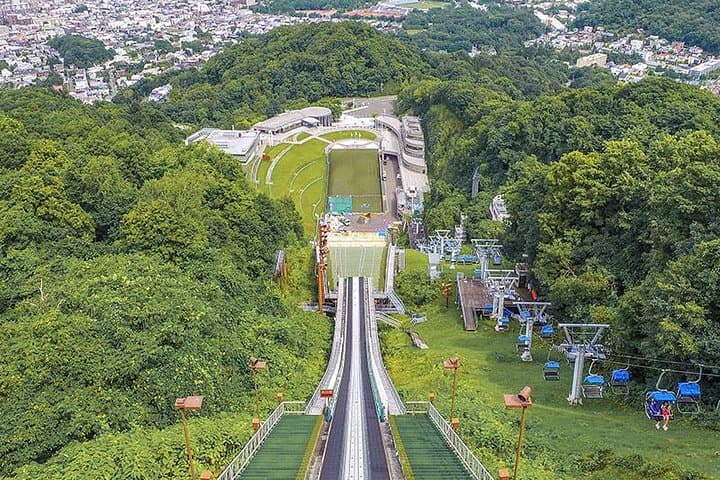
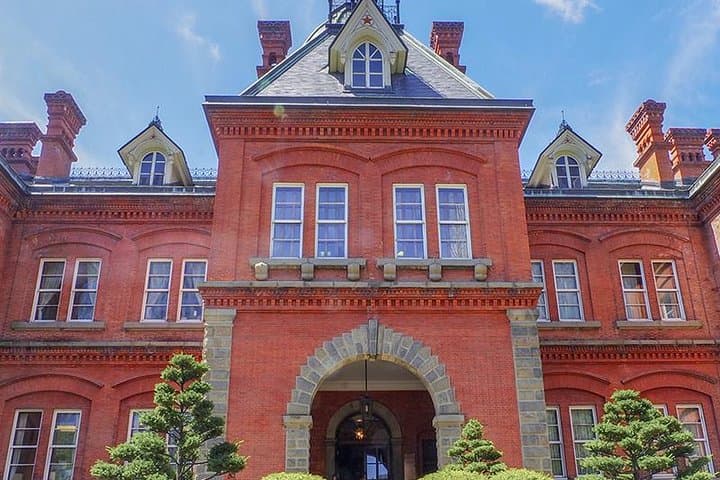
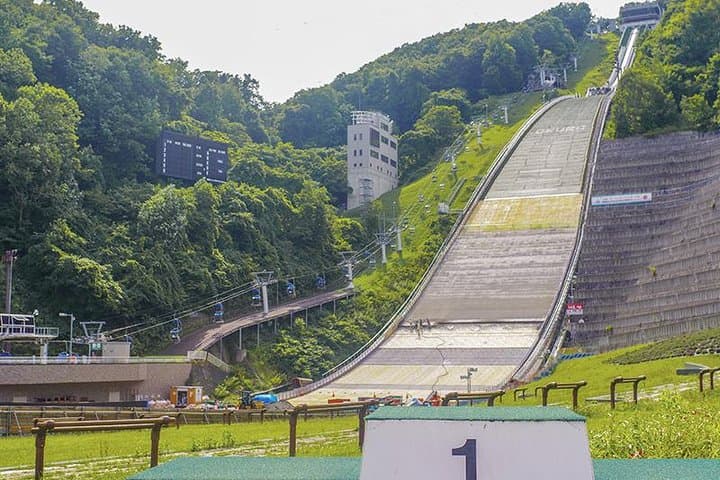
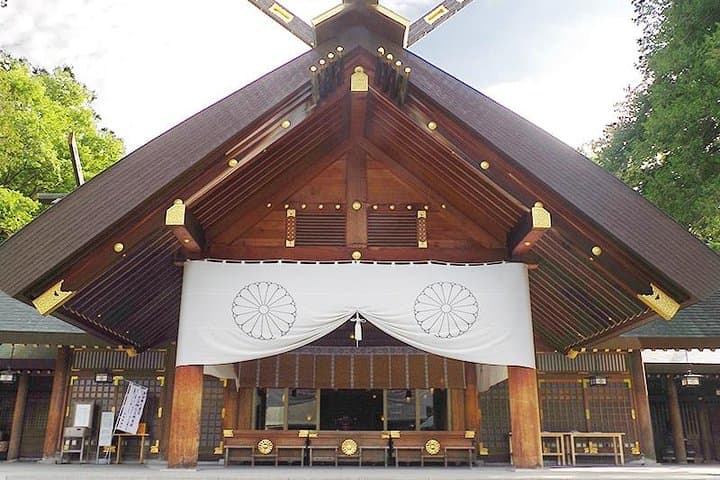
Start at the Clock Tower, a wooden reminder of Sapporo’s Meiji-era planning when the city was laid out as Hokkaido’s administrative hub. Head north to Okurayama Ski Jump Stadium, where a lift carries you up the inrun and the city drops away; the jump stands about 300 m above sea level and offers unfiltered views of Ishikari Plain. Between stops your guide steers you to a local sweets shop for cream puffs unique to Sapporo, leads you through Hokkaido Shrine’s quiet grounds, and finishes with a popular local restaurant serving jingisukan (Mongolian mutton barbecue).
Practical notes: this is a 5–6 hour walking tour with occasional taxi transfers; bring roughly JPY 4,000 extra to cover entrance fees, food, and transit. Part of Okurayama access may change if competitions or practice are scheduled. The route is suitable for most fitness levels and is wheelchair accessible in many areas, but expect stairs and short uphill sections. Wear supportive shoes, layer for sudden weather shifts, and keep some cash—many neighborhood vendors are cash-first. Ask your guide about changing the drop-off point if you want to continue exploring independently.
easy.
5–6 hours.
Suitable for most fitness levels; requires several hours on foot and short uphill/stair sections.
No; the tour fee covers the guide but not entrance fees, meals, or taxi fares—bring around JPY 4,000 for these extras.
Yes—this is a private tour so the guide can adjust stops and the end location if arranged ahead of time.
Many locations are wheelchair/stroller accessible, but there are steps and short hills; notify the operator about accessibility needs in advance.
If you arrive more than 60 minutes after the agreed time the tour may be considered canceled—arrive on time at JR Sapporo Station.
Sapporo was planned during the Meiji era as Hokkaido’s administrative center; the Clock Tower dates to the late 19th century and reflects that government-led development.
Respect urban wildlife and park rules—avoid feeding animals and minimize plastic waste; use public transit and walk when possible to reduce footprint.
OTOMO Travel Guide operates guided outdoor trips and adventures with an emphasis on safety, stewardship, and memorable experiences.
Morning at JR Sapporo Station feels purposeful: commuters flow past granite facades while the air holds the clean, cool weight of northern Japan. On this private, local-guided tour you move from the pragmatic pulse of the station into layered slices of Sapporo—historic timber, Olympic-era concrete, and neighborhood kitchens that scent the air with butter and roasting mutton.
Morning at JR Sapporo Station feels purposeful: commuters flow past granite facades while the air holds the clean, cool weight of northern Japan. On this private, local-guided tour you move from the pragmatic pulse of the station into layered slices of Sapporo—historic timber, Olympic-era concrete, and neighborhood kitchens that scent the air with butter and roasting mutton.
Start at the Clock Tower, a wooden reminder of Sapporo’s Meiji-era planning when the city was laid out as Hokkaido’s administrative hub. Head north to Okurayama Ski Jump Stadium, where a lift carries you up the inrun and the city drops away; the jump stands about 300 m above sea level and offers unfiltered views of Ishikari Plain. Between stops your guide steers you to a local sweets shop for cream puffs unique to Sapporo, leads you through Hokkaido Shrine’s quiet grounds, and finishes with a popular local restaurant serving jingisukan (Mongolian mutton barbecue).
Practical notes: this is a 5–6 hour walking tour with occasional taxi transfers; bring roughly JPY 4,000 extra to cover entrance fees, food, and transit. Part of Okurayama access may change if competitions or practice are scheduled. The route is suitable for most fitness levels and is wheelchair accessible in many areas, but expect stairs and short uphill sections. Wear supportive shoes, layer for sudden weather shifts, and keep some cash—many neighborhood vendors are cash-first. Ask your guide about changing the drop-off point if you want to continue exploring independently.