THE ADVENTURE COLLECTIVE® · Independent discovery and booking for outdoor travel

A private, door-to-door transfer connecting San José and Manuel Antonio with an included stop at the Tarcoles River for crocodile viewing. Expect a 3–4 hour drive through changing landscapes, air-conditioned comfort and flexible pickup coordination.
A private, door-to-door transfer connecting San José and Manuel Antonio with an included stop at the Tarcoles River for crocodile viewing. Expect a 3–4 hour drive through changing landscapes, air-conditioned comfort and flexible pickup coordination.
You leave the Central Valley behind as the road drops toward the Pacific, the city heat loosening its grip and coastal breezes picking up the scent of salt and wet forest.
Verified experiences and guided adventures in the surrounding area.
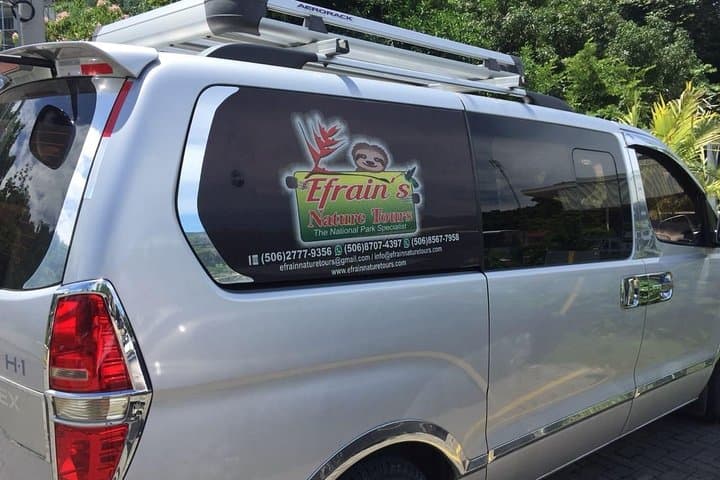
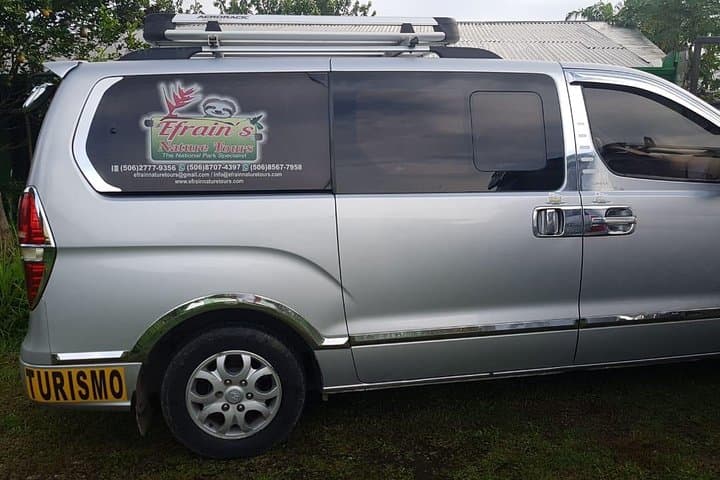
Operated by Efrain's Nature Tours · Quepos, Puntarenas
You leave the Central Valley behind as the road drops toward the Pacific, the city heat loosening its grip and coastal breezes picking up the scent of salt and wet forest.
The drive between San José and Manuel Antonio traverses volcanic foothills and washed-out coastal plains — a visible transition from the highland coffee country to the mangrove-lined estuaries of Puntarenas. Manuel Antonio National Park, created in 1972, sits on a rocky promontory where rainforest meets broad-sand beaches; the nearby town of Quepos grew from a quiet fishing port into the tourism hub it is today.
Geology here is defined by uplifted volcanic material and river-carved sediment, which creates the estuaries that support the famed Tarcoles crocodile population. Culture on the route blends Afro-Caribbean and Pacific coastal influences: small soda restaurants, palm-thatched shelters, and roadside stands selling coffee and fresh fruit.
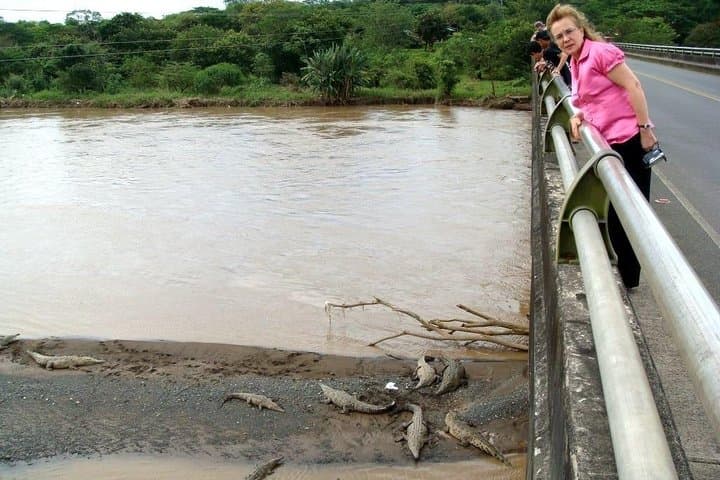
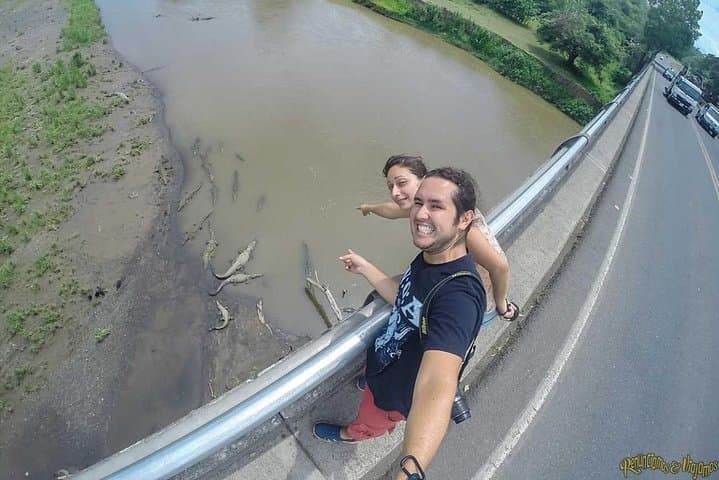
Practically, expect a 3–4 hour transfer in an air-conditioned private vehicle with a standard 15-minute stop at the Tarcoles River bridge for crocodile viewing, restrooms and coffee. Drivers coordinate pickup details once you book — they’ll ask for flight numbers and preferred meeting points. Vehicles are wheelchair-accessible and infant seats are available on request; tolls are normally included and the service offers full refunds for cancellations at least 24 hours ahead.
Plan for variable traffic and occasional roadworks that can extend travel time; early-morning transfers avoid afternoon coastal traffic. Pack a light rain layer and motion-sickness remedies if you’re prone to winding roads. This transfer is straightforward logistics with a short wildlife interlude that introduces you to Costa Rica’s coastal edge before you arrive at the park.
easy.
3–4 hours.
Suitable for all fitness levels; no hiking or exertion required
The operator lists a typical duration of 3–4 hours depending on traffic, road conditions and whether you take the standard Tarcoles stop.
Yes — the itinerary includes a roughly 15-minute stop at the Tarcoles River bridge for viewing, restroom use and a short break.
According to the listing, vehicles and surfaces are wheelchair-accessible and specialized infant seats are available on request — confirm during booking.
Full refund is available if you cancel at least 24 hours before the scheduled pickup; cancellations within 24 hours are non-refundable.
Manuel Antonio National Park was established in 1972 and the surrounding area transitioned from fishing to ecotourism in the late 20th century.
The national park limits daily visitors to protect habitat; choose low-impact behaviors and support local guides to reduce pressure on fragile coastal ecosystems.
Efrain's Nature Tours operates guided outdoor trips and adventures with an emphasis on safety, stewardship, and memorable experiences.
You leave the Central Valley behind as the road drops toward the Pacific, the city heat loosening its grip and coastal breezes picking up the scent of salt and wet forest.
You leave the Central Valley behind as the road drops toward the Pacific, the city heat loosening its grip and coastal breezes picking up the scent of salt and wet forest.
The drive between San José and Manuel Antonio traverses volcanic foothills and washed-out coastal plains — a visible transition from the highland coffee country to the mangrove-lined estuaries of Puntarenas. Manuel Antonio National Park, created in 1972, sits on a rocky promontory where rainforest meets broad-sand beaches; the nearby town of Quepos grew from a quiet fishing port into the tourism hub it is today.
Geology here is defined by uplifted volcanic material and river-carved sediment, which creates the estuaries that support the famed Tarcoles crocodile population. Culture on the route blends Afro-Caribbean and Pacific coastal influences: small soda restaurants, palm-thatched shelters, and roadside stands selling coffee and fresh fruit.
Practically, expect a 3–4 hour transfer in an air-conditioned private vehicle with a standard 15-minute stop at the Tarcoles River bridge for crocodile viewing, restrooms and coffee. Drivers coordinate pickup details once you book — they’ll ask for flight numbers and preferred meeting points. Vehicles are wheelchair-accessible and infant seats are available on request; tolls are normally included and the service offers full refunds for cancellations at least 24 hours ahead.
Plan for variable traffic and occasional roadworks that can extend travel time; early-morning transfers avoid afternoon coastal traffic. Pack a light rain layer and motion-sickness remedies if you’re prone to winding roads. This transfer is straightforward logistics with a short wildlife interlude that introduces you to Costa Rica’s coastal edge before you arrive at the park.