THE ADVENTURE COLLECTIVE® · Independent discovery and booking for outdoor travel

Train with a master Sensei in a historic Meguro garden, sampling the calm precision of Iaido and kesagiri cutting with a replica blade. This private, 2.5-hour experience pairs practical swordwork with a walk to Meguro Fudoson and an optional matcha tasting.
Train with a master Sensei in a historic Meguro garden, sampling the calm precision of Iaido and kesagiri cutting with a replica blade. This private, 2.5-hour experience pairs practical swordwork with a walk to Meguro Fudoson and an optional matcha tasting.
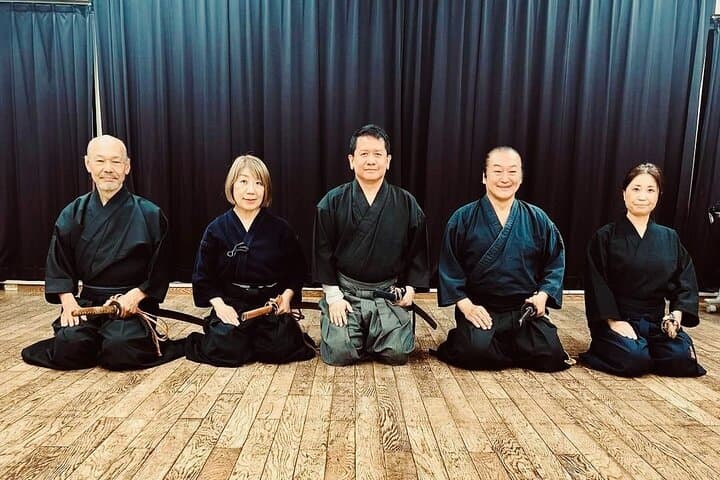
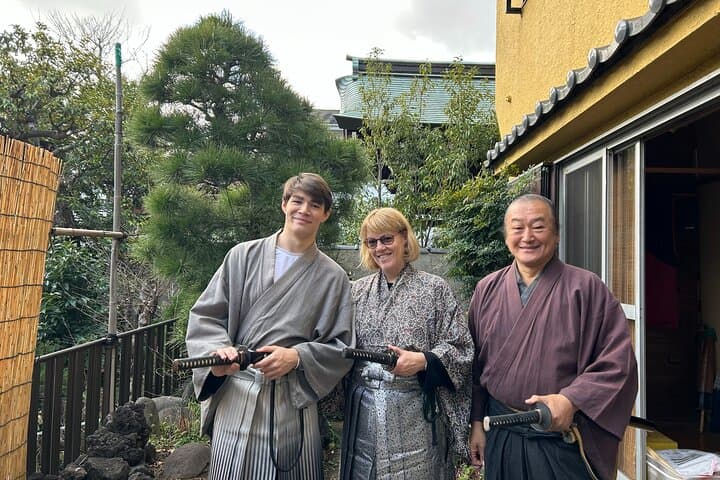
You step into a quiet garden beside an old samurai residence and the city’s noise dims to a single temple bell. Gravel murmurs underfoot as a Sensei adjusts a replica sword; the air smells faintly of tatami and green tea. For two and a half hours you move through the measured rhythms of Iaido and battodo practice, slicing at a urethane rod with a diagonal kesagiri to learn how intention and edge meet.
Verified experiences and guided adventures in the surrounding area.
Operated by OMAKASE · Meguro, Tokyo
You step into a quiet garden beside an old samurai residence and the city’s noise dims to a single temple bell. Gravel murmurs underfoot as a Sensei adjusts a replica sword; the air smells faintly of tatami and green tea. For two and a half hours you move through the measured rhythms of Iaido and battodo practice, slicing at a urethane rod with a diagonal kesagiri to learn how intention and edge meet.
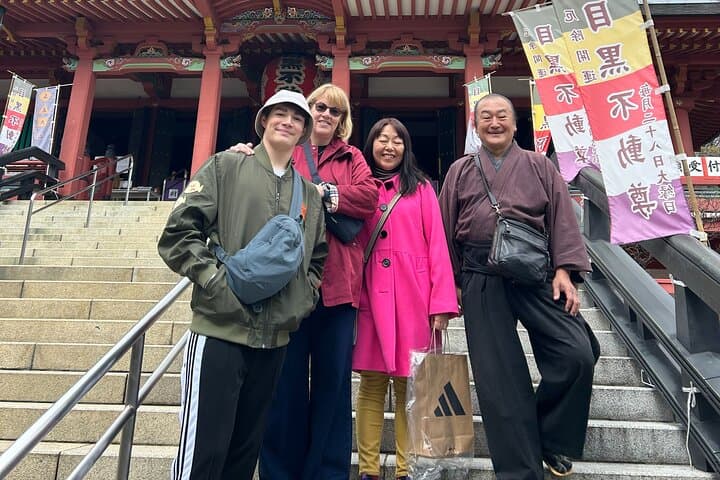
The practice here ties directly to Edo-period martial culture: Iaido evolved to refine draw-and-cut techniques for samurai, while tea ceremony rituals grew alongside Bushido as a discipline of focus and courtesy. The garden’s compact scale reflects Tokyo’s layered history—temple bells and narrow residential lanes press close, and the walk to nearby Meguro Fudoson threads through small shrines and old stone steps rather than wide plazas.
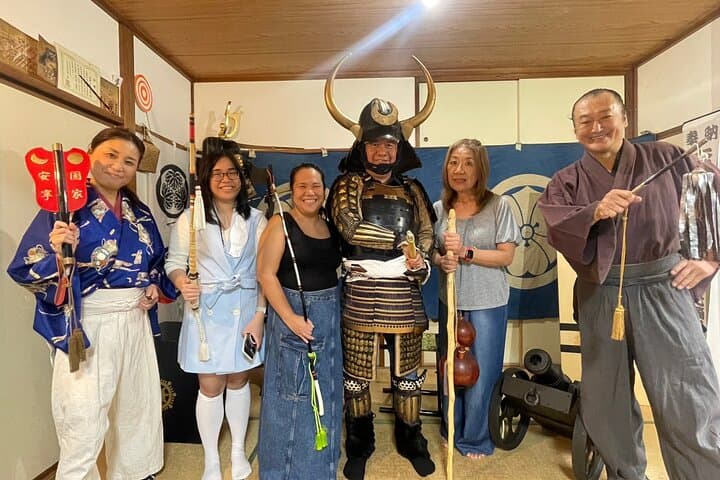
Expect hands-on instruction from a master of the Tamiya-ryu lineage, careful safety protocols using replica blades, and optional cultural elements like a single-cup matcha tasting in a tatami room. The session balances technical drills (posture, draw, kesagiri angle) with context—why respect, timing, and breath matter on and off the mat.
Practicalities: wear flexible, non-slip shoes and clothing that lets you hinge at hips; arrive hydrated and with clean hands for the tatami room. Bring a lightweight jacket if spring wind or winter chill is present. Photography is usually allowed after instruction, but follow the Sensei’s lead. This is a respectful, active cultural experience—physically accessible to moderately fit participants and rewarding for anyone curious about martial craft and quiet, precise movement.
moderate.
2–3 hours.
Suitable for people with a moderate level of fitness—requires balance, basic mobility, and standing work.
No—qualified staff use replica/blunt blades and urethane rods for kesagiri-style cutting to prioritize safety while teaching technique.
No—sessions are designed for beginners with step-by-step guidance, though a moderate level of mobility is recommended.
Photography is typically allowed after instruction and bowing etiquette is observed; always ask the Sensei before taking pictures inside the tatami room.
A brief matcha demonstration or single-cup tasting is often offered as an optional cultural add-on at the end of the session.
Iaido and battodo developed in feudal Japan as practical and spiritual disciplines for samurai; the Meguro area preserves small temples and residences that reflect Edo-period urban life.
This experience supports cultural preservation—respect sacred spaces, stay on paths, and follow local rules to minimize wear on gardens and tatami rooms.
OMAKASE operates guided outdoor trips and adventures with an emphasis on safety, stewardship, and memorable experiences.
You step into a quiet garden beside an old samurai residence and the city’s noise dims to a single temple bell. Gravel murmurs underfoot as a Sensei adjusts a replica sword; the air smells faintly of tatami and green tea. For two and a half hours you move through the measured rhythms of Iaido and battodo practice, slicing at a urethane rod with a diagonal kesagiri to learn how intention and edge meet.
You step into a quiet garden beside an old samurai residence and the city’s noise dims to a single temple bell. Gravel murmurs underfoot as a Sensei adjusts a replica sword; the air smells faintly of tatami and green tea. For two and a half hours you move through the measured rhythms of Iaido and battodo practice, slicing at a urethane rod with a diagonal kesagiri to learn how intention and edge meet.
The practice here ties directly to Edo-period martial culture: Iaido evolved to refine draw-and-cut techniques for samurai, while tea ceremony rituals grew alongside Bushido as a discipline of focus and courtesy. The garden’s compact scale reflects Tokyo’s layered history—temple bells and narrow residential lanes press close, and the walk to nearby Meguro Fudoson threads through small shrines and old stone steps rather than wide plazas.
Expect hands-on instruction from a master of the Tamiya-ryu lineage, careful safety protocols using replica blades, and optional cultural elements like a single-cup matcha tasting in a tatami room. The session balances technical drills (posture, draw, kesagiri angle) with context—why respect, timing, and breath matter on and off the mat.
Practicalities: wear flexible, non-slip shoes and clothing that lets you hinge at hips; arrive hydrated and with clean hands for the tatami room. Bring a lightweight jacket if spring wind or winter chill is present. Photography is usually allowed after instruction, but follow the Sensei’s lead. This is a respectful, active cultural experience—physically accessible to moderately fit participants and rewarding for anyone curious about martial craft and quiet, precise movement.