THE ADVENTURE COLLECTIVE® · Independent discovery and booking for outdoor travel

Walk the full length of Samaria Gorge with a local guide who grew up at the exit village. This private, full-day hike combines rugged limestone canyons, narrow passages, rich local history and a seaside finish at Agia Roumeli.
Walk the full length of Samaria Gorge with a local guide who grew up at the exit village. This private, full-day hike combines rugged limestone canyons, narrow passages, rich local history and a seaside finish at Agia Roumeli.
At first light the gorge takes shape: sheer limestone walls tilt toward the sky, a ribbon of trail snakes between boulders, and the scent of pine mixes with salt from the distant sea. You start where shepherd tracks meet the White Mountains' drainage, and every step drops you closer to Agia Roumeli and the Libyan shore.
Verified experiences and guided adventures in the surrounding area.
Operated by Pari Vigli · Agia Roumeli, Crete
At first light the gorge takes shape: sheer limestone walls tilt toward the sky, a ribbon of trail snakes between boulders, and the scent of pine mixes with salt from the distant sea. You start where shepherd tracks meet the White Mountains' drainage, and every step drops you closer to Agia Roumeli and the Libyan shore.
Samaria was carved over millennia by meltwater cutting through Crete’s limestone and dolomite. The route crosses layered geology, narrow clefts like the famous “Iron Gates,” and old shepherd mitata—small stone huts once used for cheese-making. Local families have lived around the gorge for generations; during WWII parts of the ravine sheltered resistance fighters. The area is now Samaria National Park, protected to conserve endemic plants and the kri-kri, Crete’s wild goat.
Practically: the full trail is about 16 km one-way with roughly 1,200 m of net descent; trails are rocky, often uneven, with some loose scree and short steep sections. Expect 5–7 hours on foot depending on pace, plus roughly 4–5 hours of transfers from Chania (car/bus/ferry). The guide accompanies you the whole way, sharing local history, herb lore and stopping spots for lunch and a swim at Agia Roumeli.
Plan for sturdy boots, poles for knees, sun protection, and 2–3 liters of water. The park enforces entry rules—no camping or fires—and weather can change in the White Mountains. Start early to avoid afternoon crowds and heat, respect the habitat, and be ready for a sustained, rewarding descent that finishes where the gorge meets the sea.
challenging.
6–9 hours (hiking) — full day with transfers.
Good cardiovascular fitness and strong knees recommended; hikers should be comfortable with long descents on uneven terrain.
The trail is approximately 16 km one-way with about 1,200 m of descent; most groups take 5–7 hours to hike depending on pace and stops.
Not ideal for true beginners—travelers need moderate fitness, sure footing, and experience with long downhill hiking; the guide can adjust pace for less-experienced walkers.
Most itineraries include a ferry from Agia Roumeli to Sougia, Paleochora or Sfakia and a bus/car transfer back to Chania; total transfer time varies around 4–5 hours from Chania.
There’s a small national park entry fee and rules against camping and fires; follow park signage and ranger instructions to protect sensitive habitats.
The gorge has long been used by shepherds; stone mitata and wartime refuge sites recall centuries of human presence. The area became a national park in the mid-20th century to protect endemic species.
Samaria is protected—stay on marked trails, pack out waste, and avoid disturbing plants or wildlife; the park limits activities like camping to reduce erosion and fire risk.
Pari Vigli operates guided outdoor trips and adventures with an emphasis on safety, stewardship, and memorable experiences.
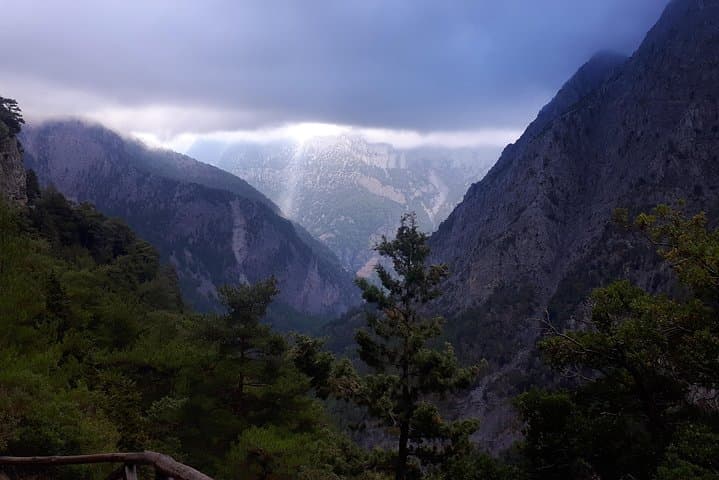
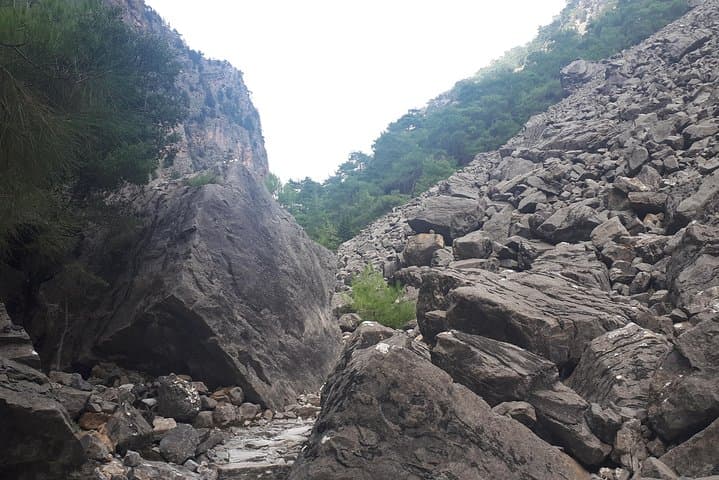
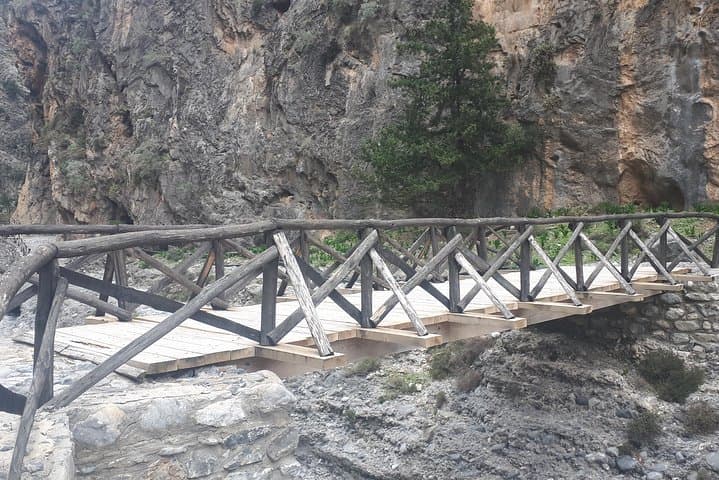
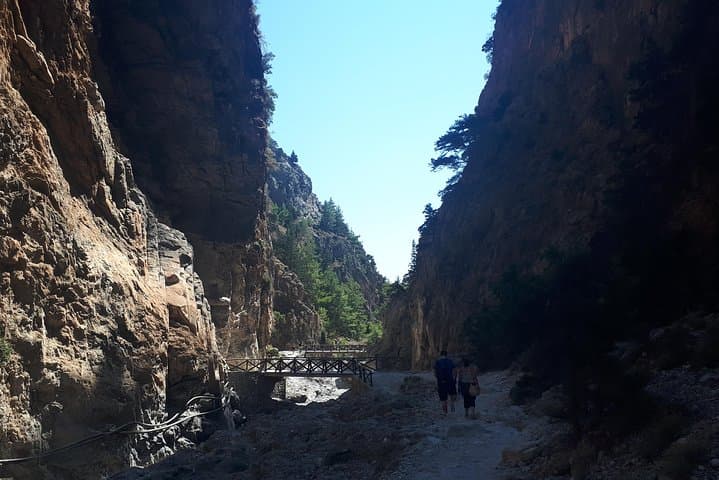
At first light the gorge takes shape: sheer limestone walls tilt toward the sky, a ribbon of trail snakes between boulders, and the scent of pine mixes with salt from the distant sea. You start where shepherd tracks meet the White Mountains' drainage, and every step drops you closer to Agia Roumeli and the Libyan shore.
At first light the gorge takes shape: sheer limestone walls tilt toward the sky, a ribbon of trail snakes between boulders, and the scent of pine mixes with salt from the distant sea. You start where shepherd tracks meet the White Mountains' drainage, and every step drops you closer to Agia Roumeli and the Libyan shore.
Samaria was carved over millennia by meltwater cutting through Crete’s limestone and dolomite. The route crosses layered geology, narrow clefts like the famous “Iron Gates,” and old shepherd mitata—small stone huts once used for cheese-making. Local families have lived around the gorge for generations; during WWII parts of the ravine sheltered resistance fighters. The area is now Samaria National Park, protected to conserve endemic plants and the kri-kri, Crete’s wild goat.
Practically: the full trail is about 16 km one-way with roughly 1,200 m of net descent; trails are rocky, often uneven, with some loose scree and short steep sections. Expect 5–7 hours on foot depending on pace, plus roughly 4–5 hours of transfers from Chania (car/bus/ferry). The guide accompanies you the whole way, sharing local history, herb lore and stopping spots for lunch and a swim at Agia Roumeli.
Plan for sturdy boots, poles for knees, sun protection, and 2–3 liters of water. The park enforces entry rules—no camping or fires—and weather can change in the White Mountains. Start early to avoid afternoon crowds and heat, respect the habitat, and be ready for a sustained, rewarding descent that finishes where the gorge meets the sea.