THE ADVENTURE COLLECTIVE® · Independent discovery and booking for outdoor travel

A five-day private alternative to the Inca Trail, the Salkantay Trek climbs a 4,600 m pass before dropping into cloud forest and finishing at Machu Picchu. Expect long days, high-altitude exposure, and varied camping before a guided visit to the citadel.
A five-day private alternative to the Inca Trail, the Salkantay Trek climbs a 4,600 m pass before dropping into cloud forest and finishing at Machu Picchu. Expect long days, high-altitude exposure, and varied camping before a guided visit to the citadel.
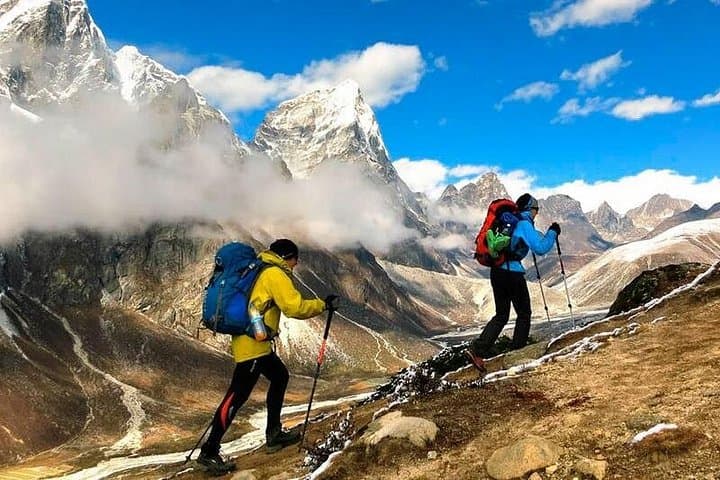
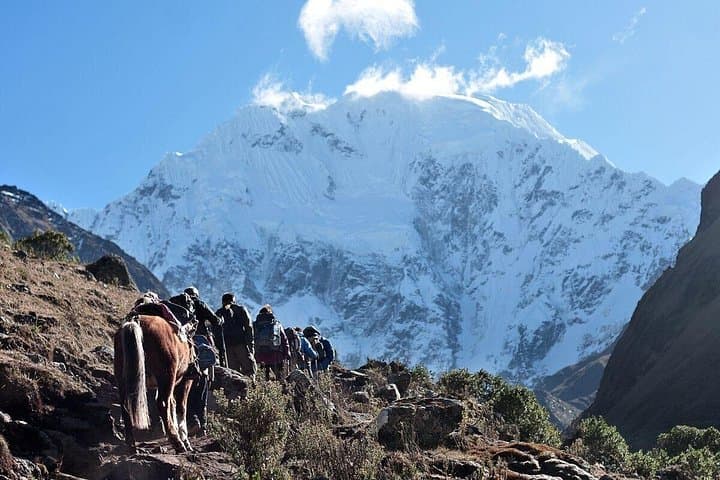
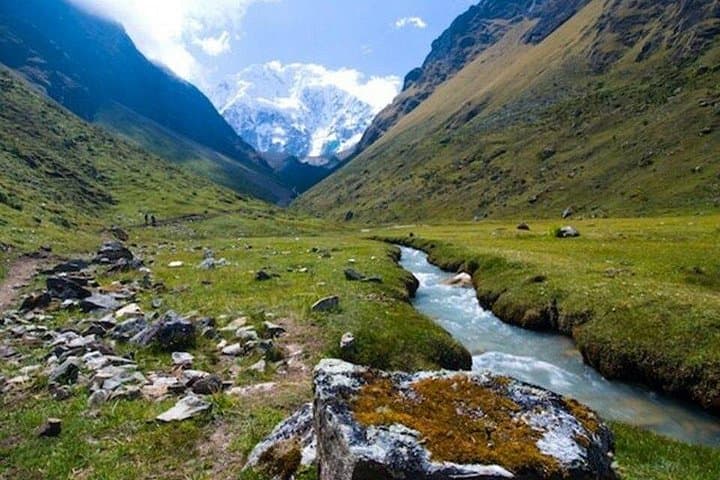
You wake before dawn in Cusco and the van pushes out into a high, serrated landscape where Salkantay looms like a weathered guardian. The trail moves from puna grasslands into a high alpine pass, then drops through cloud forest into the humid green throat that feeds the Urubamba. Rivers hurry beside you, daring you to keep pace; birds flicker through bamboo and orchids cluster on mossy trunks.
Verified experiences and guided adventures in the surrounding area.
Operated by Minka Peru Expeditions · Cusco, Cusco Region
You wake before dawn in Cusco and the van pushes out into a high, serrated landscape where Salkantay looms like a weathered guardian. The trail moves from puna grasslands into a high alpine pass, then drops through cloud forest into the humid green throat that feeds the Urubamba. Rivers hurry beside you, daring you to keep pace; birds flicker through bamboo and orchids cluster on mossy trunks.
This route follows ancestral paths that the Inca and pre-Inca peoples used to approach the Vilcabamba corridor and, ultimately, the citadel at Machu Picchu. Geologically, the trek traverses glaciated granite of the high Andes, then the steeply folded, wetter slopes of the eastern escarpment where rapid elevation change produces distinct ecological floors: puna, subpuna, and montane cloud forest.
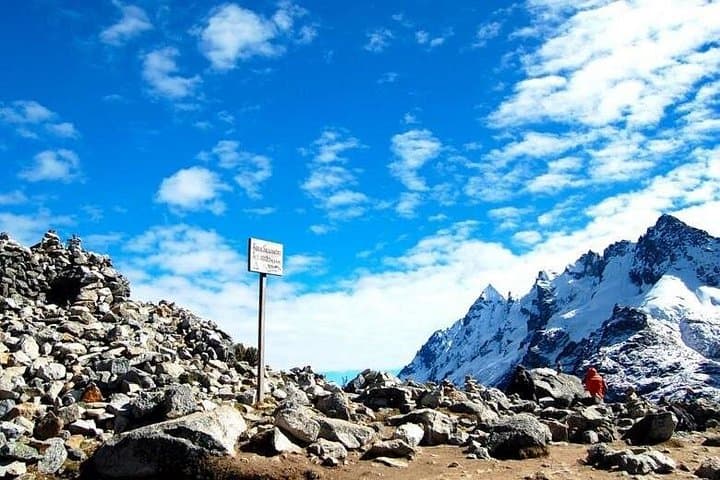
Expect long days—most hiking runs 5–8 hours—with a high pass near 4,600 m (15,000 ft) and nights in tent camps until Aguas Calientes, where a hostel night precedes the Machu Picchu visit. Guides and packhorses carry camp equipment; the operator includes Machu Picchu entry and train segments as noted.
Practical edge: acclimatize in Cusco for 48–72 hours, use layered clothing for strong sun and cold nights, and carry a compact rain shell—wet-season storms come fast. Trail surfaces vary from rocky mule paths to muddy forest trails; good boots and trekking poles reduce fatigue. Early starts on the final day let you arrive at Machu Picchu before mid-morning crowds, turning effort into one of the region’s most direct rewards.
challenging.
5 days.
Requires high cardiovascular fitness and prior multi-day trekking experience; ability to hike 5–8 hours on consecutive days at altitude.
Yes—the operator lists the Machu Picchu entry ticket included in the itinerary, so you will have guided access on the final day.
The pass reaches about 4,600 m; the ascent is steep and exposed to wind and cold—good acclimatization and steady pacing are necessary.
Sleeping in two nights of simple hostal lodging in Aguas Calientes is included; other nights are tent camping with cook and porters transporting major camp gear.
This trek is not recommended for pregnant travelers or those with serious cardiovascular conditions; participants should be in strong physical shape as noted by the operator.
The Salkantay route follows pre-Columbian pathways used to access the Vilcabamba corridor and provides a non-Inca-Trail approach to Machu Picchu.
Heavy visitation to Machu Picchu and its approaches makes leave-no-trace practices critical; stick to marked routes, pack out waste, and support local guides to reduce impact.
Minka Peru Expeditions operates guided outdoor trips and adventures with an emphasis on safety, stewardship, and memorable experiences.
You wake before dawn in Cusco and the van pushes out into a high, serrated landscape where Salkantay looms like a weathered guardian. The trail moves from puna grasslands into a high alpine pass, then drops through cloud forest into the humid green throat that feeds the Urubamba. Rivers hurry beside you, daring you to keep pace; birds flicker through bamboo and orchids cluster on mossy trunks.
You wake before dawn in Cusco and the van pushes out into a high, serrated landscape where Salkantay looms like a weathered guardian. The trail moves from puna grasslands into a high alpine pass, then drops through cloud forest into the humid green throat that feeds the Urubamba. Rivers hurry beside you, daring you to keep pace; birds flicker through bamboo and orchids cluster on mossy trunks.
This route follows ancestral paths that the Inca and pre-Inca peoples used to approach the Vilcabamba corridor and, ultimately, the citadel at Machu Picchu. Geologically, the trek traverses glaciated granite of the high Andes, then the steeply folded, wetter slopes of the eastern escarpment where rapid elevation change produces distinct ecological floors: puna, subpuna, and montane cloud forest.
Expect long days—most hiking runs 5–8 hours—with a high pass near 4,600 m (15,000 ft) and nights in tent camps until Aguas Calientes, where a hostel night precedes the Machu Picchu visit. Guides and packhorses carry camp equipment; the operator includes Machu Picchu entry and train segments as noted.
Practical edge: acclimatize in Cusco for 48–72 hours, use layered clothing for strong sun and cold nights, and carry a compact rain shell—wet-season storms come fast. Trail surfaces vary from rocky mule paths to muddy forest trails; good boots and trekking poles reduce fatigue. Early starts on the final day let you arrive at Machu Picchu before mid-morning crowds, turning effort into one of the region’s most direct rewards.