THE ADVENTURE COLLECTIVE® · Independent discovery and booking for outdoor travel

Explore Salerno’s seaside streets with a private guide—two hours of gardens, a medieval medical garden, ancient aqueduct arches and the Duomo of San Matteo. Practical tips on timing, accessibility and what to bring keep this historic stroll simple and rewarding.
Explore Salerno’s seaside streets with a private guide—two hours of gardens, a medieval medical garden, ancient aqueduct arches and the Duomo of San Matteo. Practical tips on timing, accessibility and what to bring keep this historic stroll simple and rewarding.
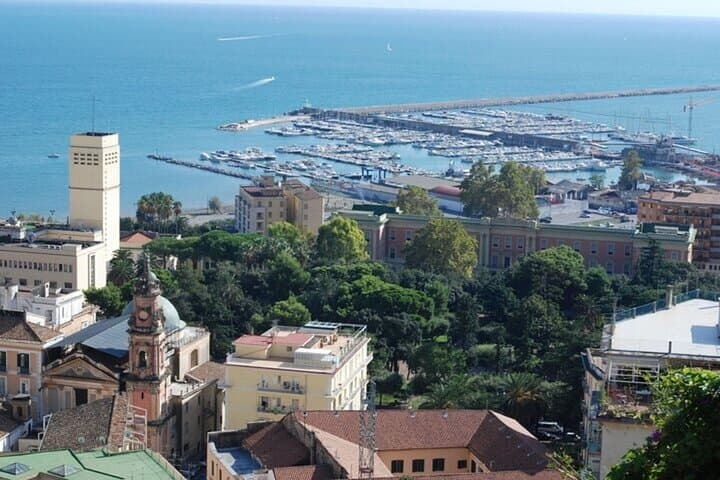
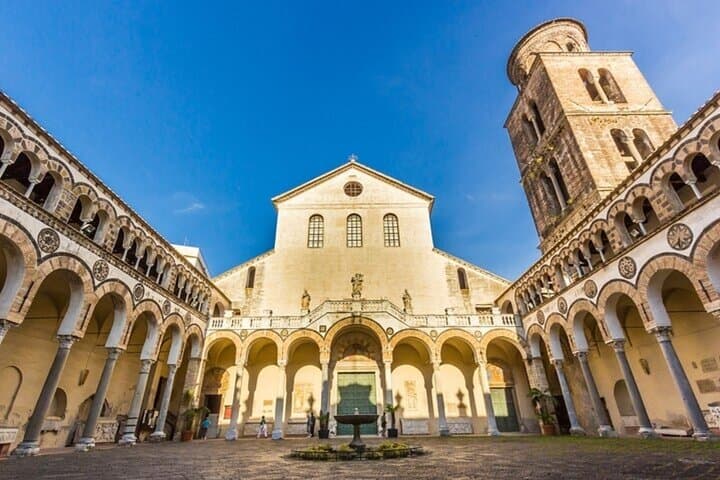
You meet your guide on Via Andrea Sabatini and the city opens like a map under the Mediterranean light—limestone facades warming to ochre, gulls circling the gulf, and narrow alleys that funnel centuries of voices. The two-hour walk moves at a human pace: a park bench in Villa Comunale, the herb-scented terraces of Giardino della Minerva, then the hush of San Pietro a Corte’s hypogeum before the baroque rise of the Duomo of San Matteo.
Verified experiences and guided adventures in the surrounding area.
Operated by Guydeez · Salerno, Campania
You meet your guide on Via Andrea Sabatini and the city opens like a map under the Mediterranean light—limestone facades warming to ochre, gulls circling the gulf, and narrow alleys that funnel centuries of voices. The two-hour walk moves at a human pace: a park bench in Villa Comunale, the herb-scented terraces of Giardino della Minerva, then the hush of San Pietro a Corte’s hypogeum before the baroque rise of the Duomo of San Matteo.
Salerno’s story is a patchwork of maritime trade and learned medicine. The town grew as a coastal port and later hosted the Schola Medica Salernitana; the Minerva garden still echoes the medieval interest in healing plants started by Matteo Silvatico. The Ponti del Diavolo aqueduct and layered street plan reflect Roman and medieval urban engineering, and Teatro Verdi traces 19th-century civic life.
Practical guidance is straightforward: this is a mostly flat, wheelchair-accessible city stroll with short flights of stairs at select sites and cobbled streets underfoot. The tour is private and bilingual (Italian/English), lasts about 120 minutes, and does not include interior monument admissions—guides can help book tickets if you want to enter. Best times: early morning or late afternoon to avoid high sun and crowds; spring and fall are ideal for mild temperatures. Bring water, comfortable shoes, a lightweight layer for coastal breezes, and a camera. Keep an eye on museum opening hours if you plan to extend visits after the tour.
easy.
2 hours.
Suitable for most fitness levels—requires standing and walking on flat and cobbled surfaces for about 120 minutes
Yes—most route sections are wheelchair accessible, though some historic interiors and short staircases may limit access to certain sites.
No—this private walking tour does not include entry fees; the guide can assist with booking tickets for interiors if desired.
Guides are available in English and Italian for this private tour.
This listing is for a private tour—your party will be the only group, making the pace and focus customizable.
Salerno grew from a coastal trading post into a medieval center of medical learning—the Schola Medica Salernitana influenced European medicine and is linked to the Giardino della Minerva.
Historic center management focuses on preserving stonework and mosaics; visitors are asked to stay on designated paths, avoid touching frescoes, and support local businesses to sustain the area.
Guydeez operates guided outdoor trips and adventures with an emphasis on safety, stewardship, and memorable experiences.

You meet your guide on Via Andrea Sabatini and the city opens like a map under the Mediterranean light—limestone facades warming to ochre, gulls circling the gulf, and narrow alleys that funnel centuries of voices. The two-hour walk moves at a human pace: a park bench in Villa Comunale, the herb-scented terraces of Giardino della Minerva, then the hush of San Pietro a Corte’s hypogeum before the baroque rise of the Duomo of San Matteo.
You meet your guide on Via Andrea Sabatini and the city opens like a map under the Mediterranean light—limestone facades warming to ochre, gulls circling the gulf, and narrow alleys that funnel centuries of voices. The two-hour walk moves at a human pace: a park bench in Villa Comunale, the herb-scented terraces of Giardino della Minerva, then the hush of San Pietro a Corte’s hypogeum before the baroque rise of the Duomo of San Matteo.
Salerno’s story is a patchwork of maritime trade and learned medicine. The town grew as a coastal port and later hosted the Schola Medica Salernitana; the Minerva garden still echoes the medieval interest in healing plants started by Matteo Silvatico. The Ponti del Diavolo aqueduct and layered street plan reflect Roman and medieval urban engineering, and Teatro Verdi traces 19th-century civic life.
Practical guidance is straightforward: this is a mostly flat, wheelchair-accessible city stroll with short flights of stairs at select sites and cobbled streets underfoot. The tour is private and bilingual (Italian/English), lasts about 120 minutes, and does not include interior monument admissions—guides can help book tickets if you want to enter. Best times: early morning or late afternoon to avoid high sun and crowds; spring and fall are ideal for mild temperatures. Bring water, comfortable shoes, a lightweight layer for coastal breezes, and a camera. Keep an eye on museum opening hours if you plan to extend visits after the tour.