THE ADVENTURE COLLECTIVE® · Independent discovery and booking for outdoor travel

Sleep under the stars beside Sri Lanka’s great dry‑zone parks. This private overnight safari-camping experience pairs evening and morning drives with simple camp comforts, local food, and guided wildlife tracking.
Sleep under the stars beside Sri Lanka’s great dry‑zone parks. This private overnight safari-camping experience pairs evening and morning drives with simple camp comforts, local food, and guided wildlife tracking.
Night arrives like a slow exhale over the dry-zone scrub as the camp lights go low and the air cools. Tented sleep rolls out on a cleared patch of earth; wood smoke and Ceylon tea hang in the air while distant calls — elephants moving, cicadas warming up — draw the horizon into focus. This is an overnight in the Sri Lankan wilderness: a practical, guided loop of evening and early-morning drives through national parks that puts you at the edge of big-game country without sacrificing basic comforts.
Verified experiences and guided adventures in the surrounding area.
Operated by Chandana Alawattegama - Via Ceylon · Tissamaharama, Southern Province
Night arrives like a slow exhale over the dry-zone scrub as the camp lights go low and the air cools. Tented sleep rolls out on a cleared patch of earth; wood smoke and Ceylon tea hang in the air while distant calls — elephants moving, cicadas warming up — draw the horizon into focus. This is an overnight in the Sri Lankan wilderness: a practical, guided loop of evening and early-morning drives through national parks that puts you at the edge of big-game country without sacrificing basic comforts.
The parks on offer — Yala, Udawalawe, Wilpattu and Wasgamuwa — sit on ancient alluvial plains carved by monsoon-fed rivers and dotted with man-made reservoirs from island kingdoms. Geology here is gentle: low ridges, fertile tanks and sandy tracks that funnel wildlife along predictable routes. The cultural backdrop is equally present: small temple towns, tank irrigation systems and village communities that still depend on the landscape.
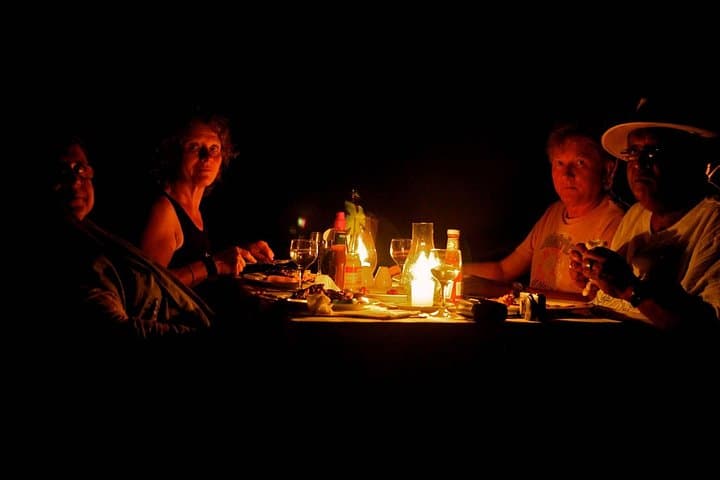
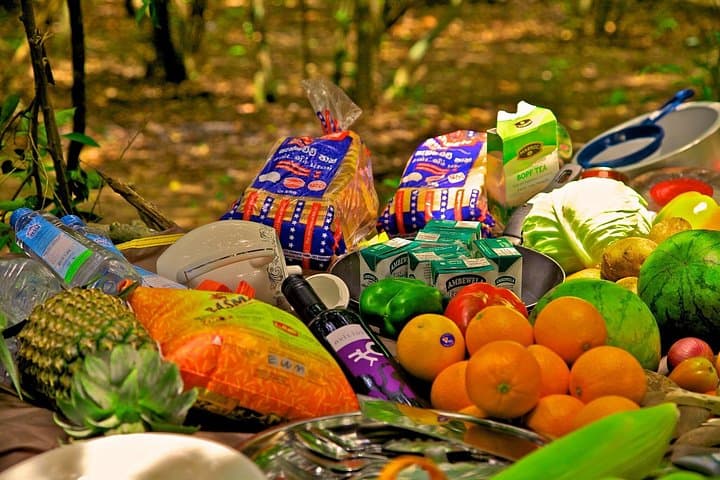
Expect two focused safaris: one as shadows lengthen, another at first light. Guides read spoor and waterholes, pointing out elephant families, sambar deer, and the occasional Sri Lankan leopard that tests the light. Meals are local-forward — rice, BBQ, tea — and the campsite includes basic comforts like welcome towels and bottled water.
Practicalities: pickup at the park gate, one-night schedule, moderate fitness for uneven approaches, and a commitment to low-impact camping. Bring insect repellent, a headlamp, sturdy shoes and a light rain layer. Plan arrival times around dry-season windows for the best viewing; when the monsoon runs, tracks get soft and sightings thin. Book with a provider who supports park conservation and local communities — the adventure is richer when the landscape is protected.
moderate.
24 hours.
Moderate fitness — able to board small vehicles, walk short uneven stretches around camp and endure spurts of dust or heat.
This is a private camping experience billed per booking; group size is managed by the operator for comfort and safety.
Children can join but the tour is not recommended for very young kids or pregnant travelers; check operator age policies and safety guidance before booking.
Expect Asian elephants, sambar and spotted deer, waterfowl at tanks, and a chance to see Sri Lankan leopards in parks like Yala — sightings are never guaranteed.
Typical inclusions are pickup/drop-off at the park gate, two guided safaris (evening and morning), meals (lunch, BBQ dinner, breakfast), bottled water, tea/coffee and basic campsite amenities.
These parks sit in Sri Lanka’s dry lowlands, shaped by ancient irrigation tanks from early kingdoms; many hunting and grazing routes are still visible in ridgelines and waterways.
Operators often work with park authorities and local communities to limit footprint; travelers should follow leave-no-trace rules, avoid single-use plastics, and support community-run services.
Chandana Alawattegama - Via Ceylon operates guided outdoor trips and adventures with an emphasis on safety, stewardship, and memorable experiences.
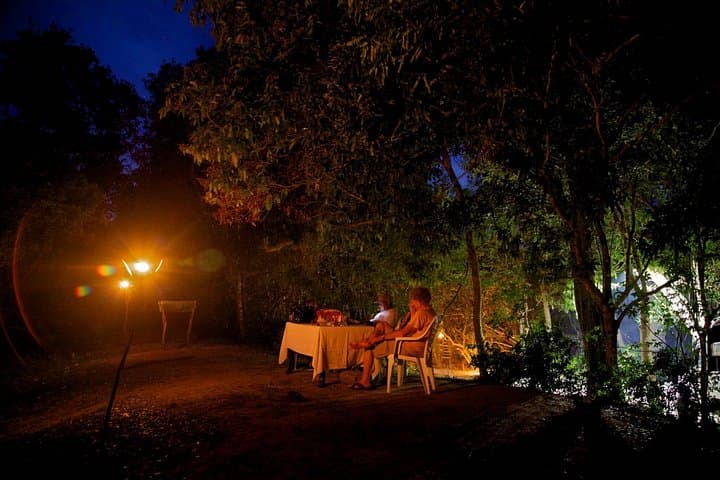

Night arrives like a slow exhale over the dry-zone scrub as the camp lights go low and the air cools. Tented sleep rolls out on a cleared patch of earth; wood smoke and Ceylon tea hang in the air while distant calls — elephants moving, cicadas warming up — draw the horizon into focus. This is an overnight in the Sri Lankan wilderness: a practical, guided loop of evening and early-morning drives through national parks that puts you at the edge of big-game country without sacrificing basic comforts.
Night arrives like a slow exhale over the dry-zone scrub as the camp lights go low and the air cools. Tented sleep rolls out on a cleared patch of earth; wood smoke and Ceylon tea hang in the air while distant calls — elephants moving, cicadas warming up — draw the horizon into focus. This is an overnight in the Sri Lankan wilderness: a practical, guided loop of evening and early-morning drives through national parks that puts you at the edge of big-game country without sacrificing basic comforts.
The parks on offer — Yala, Udawalawe, Wilpattu and Wasgamuwa — sit on ancient alluvial plains carved by monsoon-fed rivers and dotted with man-made reservoirs from island kingdoms. Geology here is gentle: low ridges, fertile tanks and sandy tracks that funnel wildlife along predictable routes. The cultural backdrop is equally present: small temple towns, tank irrigation systems and village communities that still depend on the landscape.
Expect two focused safaris: one as shadows lengthen, another at first light. Guides read spoor and waterholes, pointing out elephant families, sambar deer, and the occasional Sri Lankan leopard that tests the light. Meals are local-forward — rice, BBQ, tea — and the campsite includes basic comforts like welcome towels and bottled water.
Practicalities: pickup at the park gate, one-night schedule, moderate fitness for uneven approaches, and a commitment to low-impact camping. Bring insect repellent, a headlamp, sturdy shoes and a light rain layer. Plan arrival times around dry-season windows for the best viewing; when the monsoon runs, tracks get soft and sightings thin. Book with a provider who supports park conservation and local communities — the adventure is richer when the landscape is protected.