THE ADVENTURE COLLECTIVE® · Independent discovery and booking for outdoor travel

Spend a full day exploring the Sacred Valley’s living culture: taste Andean potatoes in Amaru, haggle at Pisac market, and climb Ollantaytambo’s terraces for commanding valley views. This private tour blends archaeology, community life and practical insights for a grounded, unforgettable day.
Spend a full day exploring the Sacred Valley’s living culture: taste Andean potatoes in Amaru, haggle at Pisac market, and climb Ollantaytambo’s terraces for commanding valley views. This private tour blends archaeology, community life and practical insights for a grounded, unforgettable day.
You step out of your Cusco hotel into thin morning air and feel the valley pulling you forward — a ribbon of fields and stone cut into the mountainside. The drive east follows the Urubamba River; towns tight-rope the slopes and terraced fields climb like stairways to the sun. By the time you reach Amaru, the rhythm slows: llamas watch from yards, women at a loom move fingers with an economy shaped by generations.
Verified experiences and guided adventures in the surrounding area.
Operated by Cultural Immersion Travel Peru E.I.R.L. · Cusco, Cusco
You step out of your Cusco hotel into thin morning air and feel the valley pulling you forward — a ribbon of fields and stone cut into the mountainside. The drive east follows the Urubamba River; towns tight-rope the slopes and terraced fields climb like stairways to the sun. By the time you reach Amaru, the rhythm slows: llamas watch from yards, women at a loom move fingers with an economy shaped by generations.
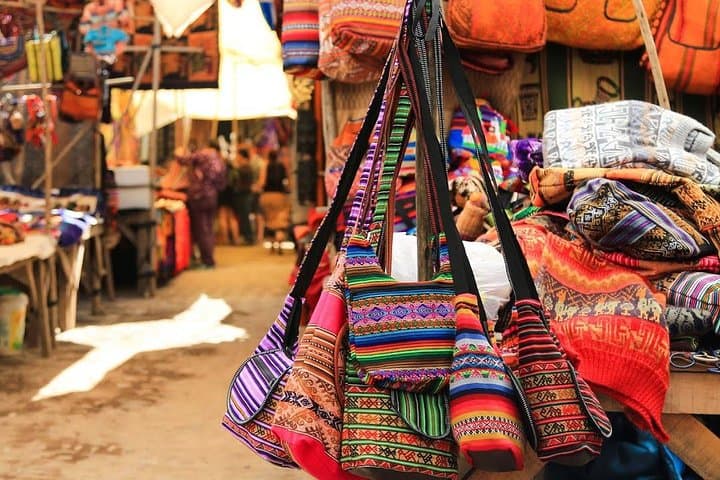
The Sacred Valley was the agricultural heart of the Inca world. Geological forces carved the Urubamba corridor, leaving steep river terraces that the Inca optimized with drainage channels and stone retaining walls. Pisac’s market sits at a lower elevation where mountain villagers trade potatoes, corn and textiles — goods that trace a culture of highland farming and weaving techniques that predate Spanish contact.
At Pisaq ruins, a Sun Temple and tiered terraces demonstrate sophisticated water engineering and strategic siting above the valley. Ollantaytambo reads like a living fortress: original Inca street layouts and massive dressed stone at the temple complex offer panoramic views after a short climb of 150–300 vertical meters through stepped paths.
Practical guidance: this is a full-day private tour (about 10 hours) with a mix of short walks and stair climbs; expect paved village streets, dusty trails, and stone steps. Carry cash for the market, bring layered clothing for temperature swings between 2,700–3,400 m, sunscreen, and water. Allow time to acclimatize in Cusco first; take it slow on steep stone staircases and follow your guide’s local etiquette tips when visiting homes and community sites.
easy.
10 hours.
Suitable for most fitness levels; involves short uphill walks and stair climbs of up to 150–300 m, but no technical hiking.
Yes—admission for Pisaq and Ollantaytambo is included in this tour as noted in the itinerary.
The tour begins with hotel pickup in Cusco and returns to your hotel at the end of the day.
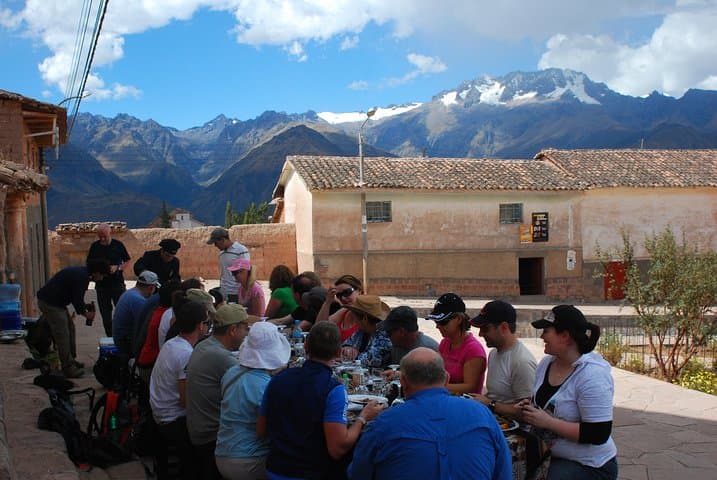
Lunch is included; bring small cash if you want extra snacks or souvenirs at the market.
Yes—activity is gentle, but infants must sit on an adult’s lap during transport and expect uneven surfaces at sites.
The Sacred Valley was intensively developed by the Inca for agriculture and strategic defense; sites like Ollantaytambo served as both administrative centers and refuges during the Spanish conquest.
Support local conservation by buying textiles directly from artisan cooperatives and avoiding single-use plastics; respect terraces and marked paths to minimize erosion.
Cultural Immersion Travel Peru E.I.R.L. operates guided outdoor trips and adventures with an emphasis on safety, stewardship, and memorable experiences.
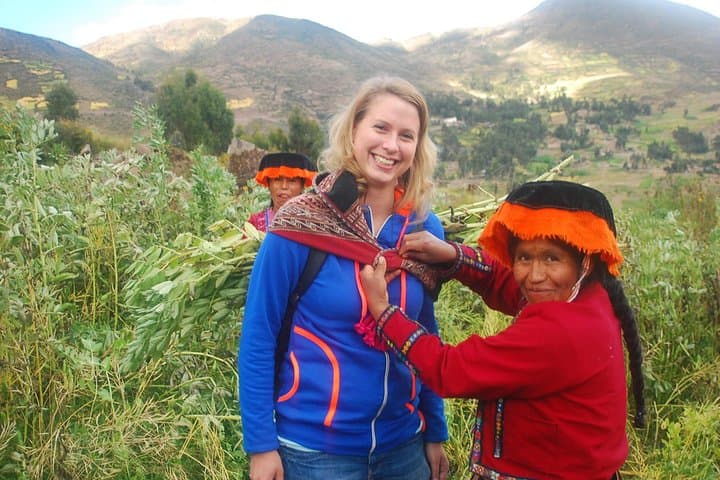
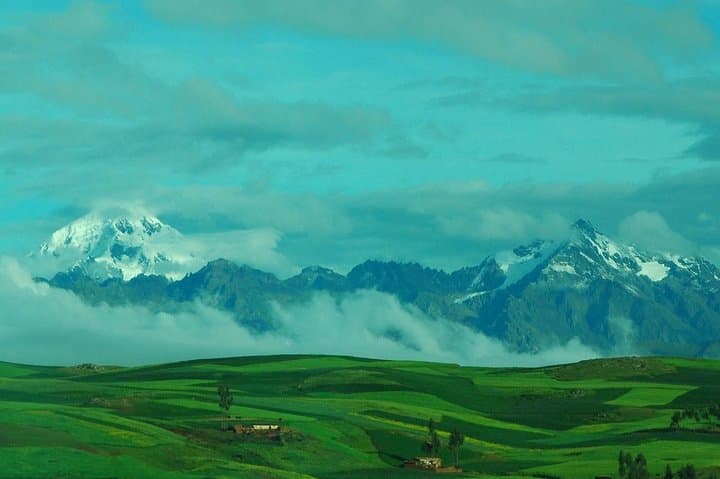
You step out of your Cusco hotel into thin morning air and feel the valley pulling you forward — a ribbon of fields and stone cut into the mountainside. The drive east follows the Urubamba River; towns tight-rope the slopes and terraced fields climb like stairways to the sun. By the time you reach Amaru, the rhythm slows: llamas watch from yards, women at a loom move fingers with an economy shaped by generations.
You step out of your Cusco hotel into thin morning air and feel the valley pulling you forward — a ribbon of fields and stone cut into the mountainside. The drive east follows the Urubamba River; towns tight-rope the slopes and terraced fields climb like stairways to the sun. By the time you reach Amaru, the rhythm slows: llamas watch from yards, women at a loom move fingers with an economy shaped by generations.
The Sacred Valley was the agricultural heart of the Inca world. Geological forces carved the Urubamba corridor, leaving steep river terraces that the Inca optimized with drainage channels and stone retaining walls. Pisac’s market sits at a lower elevation where mountain villagers trade potatoes, corn and textiles — goods that trace a culture of highland farming and weaving techniques that predate Spanish contact.
At Pisaq ruins, a Sun Temple and tiered terraces demonstrate sophisticated water engineering and strategic siting above the valley. Ollantaytambo reads like a living fortress: original Inca street layouts and massive dressed stone at the temple complex offer panoramic views after a short climb of 150–300 vertical meters through stepped paths.
Practical guidance: this is a full-day private tour (about 10 hours) with a mix of short walks and stair climbs; expect paved village streets, dusty trails, and stone steps. Carry cash for the market, bring layered clothing for temperature swings between 2,700–3,400 m, sunscreen, and water. Allow time to acclimatize in Cusco first; take it slow on steep stone staircases and follow your guide’s local etiquette tips when visiting homes and community sites.