THE ADVENTURE COLLECTIVE® · Independent discovery and booking for outdoor travel

Two days of private transport, train travel and guided access connect Cusco, the Sacred Valley’s archaeological highlights and Machu Picchu. Expect terraces, salt pans, and dramatic mountain ruins—with practical tips for altitude, timing, and gear.
Two days of private transport, train travel and guided access connect Cusco, the Sacred Valley’s archaeological highlights and Machu Picchu. Expect terraces, salt pans, and dramatic mountain ruins—with practical tips for altitude, timing, and gear.
Dawn finds you on a winding valley road as the Andes pull themselves upright, terraces stepping down toward the Urubamba like giant agricultural fingers. You visit textile demonstrations at Chinchero where alpaca fibers are dyed by hand, peer into the concentric bowls of Moray that once tested Inca crop varieties, and walk the salt pans at Maras that glitter like a worked shoreline.
Verified experiences and guided adventures in the surrounding area.
Operated by Peru Sites · Aguas Calientes, Cusco Region
Dawn finds you on a winding valley road as the Andes pull themselves upright, terraces stepping down toward the Urubamba like giant agricultural fingers. You visit textile demonstrations at Chinchero where alpaca fibers are dyed by hand, peer into the concentric bowls of Moray that once tested Inca crop varieties, and walk the salt pans at Maras that glitter like a worked shoreline.
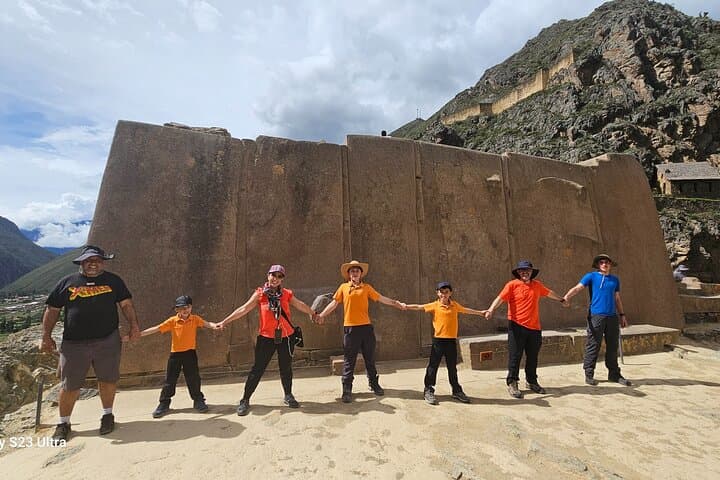
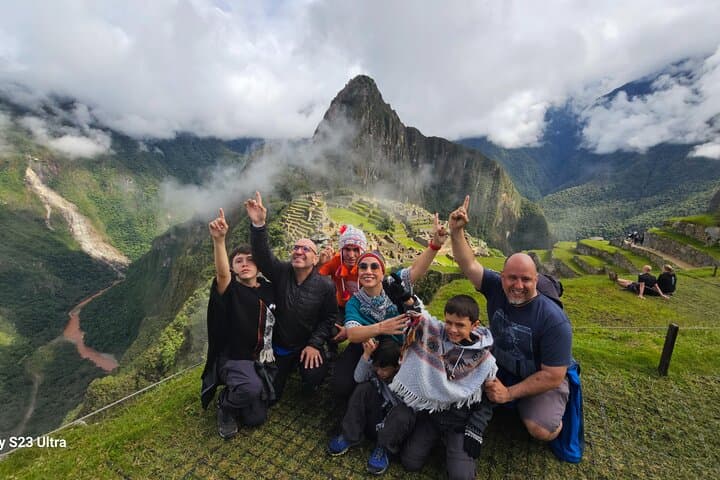
This private two-day itinerary threads history and geology: the Incas engineered microclimates on circular terraces and carved Ollantaytambo’s fortress from precisely fitted granite blocks. Machu Picchu arrives the next morning—clouds and light play over stone plazas and Intihuatana platforms, revealing why the site was both ceremonial center and highland refuge.
Cultural notes: local Quechua communities still practice weaving and agriculture introduced long before the Spanish conquest; guides typically interpret Inca astronomy, terrace farming, and the colonial-era impacts on the Sacred Valley.
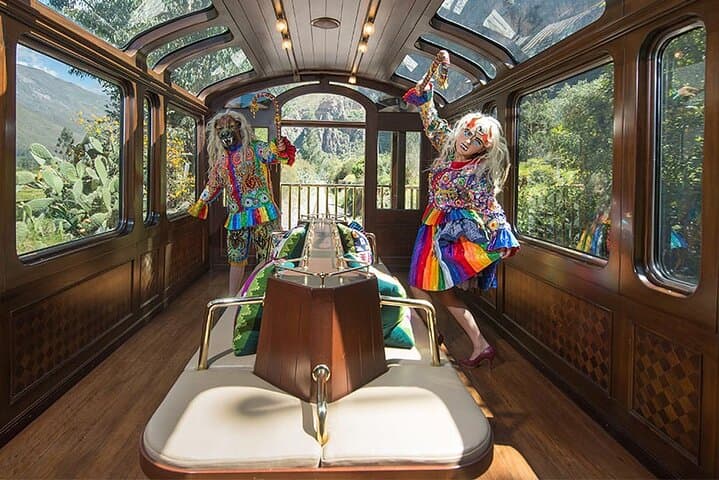
Practical guidance: plan for altitude—Cusco sits near 3,400 m—so hydrate, move slowly on the first day, and consider a light coca tea or rest day beforehand. Expect uneven stone steps and narrow paths at Machu Picchu; comfortable trekking shoes and a rain layer are essential. Your private guide times train connections (Ollantaytambo to Aguas Calientes) and handles tickets and transfers, but carry your passport for entry checks. Morning visits bring cooler temperatures and softer light for photos; afternoons are warmer but busier. Respect site rules—stay on marked routes and avoid drone use. With basic fitness, reasonable acclimatization, and attention to weather, this two-day loop delivers highland archaeology, living Andean culture, and one of the world’s most iconic archaeological views.
moderate.
2 days.
Light to moderate fitness; able to walk 2–4 hours with repeated stair climbs. Acclimatization recommended.
Yes—your passport is required for Machu Picchu entry and often for the train; bring the same passport used for booking.
Expect 2–4 hours of walking across uneven stone and steps during the Machu Picchu guided visit, plus shorter walks at Sacred Valley sites.
Yes—tours run year-round; the wet season (Nov–Mar) increases chance of rain and cloud cover, while the dry season (May–Sep) offers clearer vistas.
The tour is private and adaptable, but steep steps and altitude can be challenging; inform the operator of special needs so they can adjust pace and pickup.
Machu Picchu was built in the 15th century under the Inca empire and later abandoned during the Spanish conquest era; the Sacred Valley supplied agricultural innovation and strategic settlements for the Incas.
Visitor numbers and timed entries are regulated—stay on marked trails, avoid removing stones or plants, and follow guide instructions to reduce erosion and cultural damage.
Peru Sites operates guided outdoor trips and adventures with an emphasis on safety, stewardship, and memorable experiences.
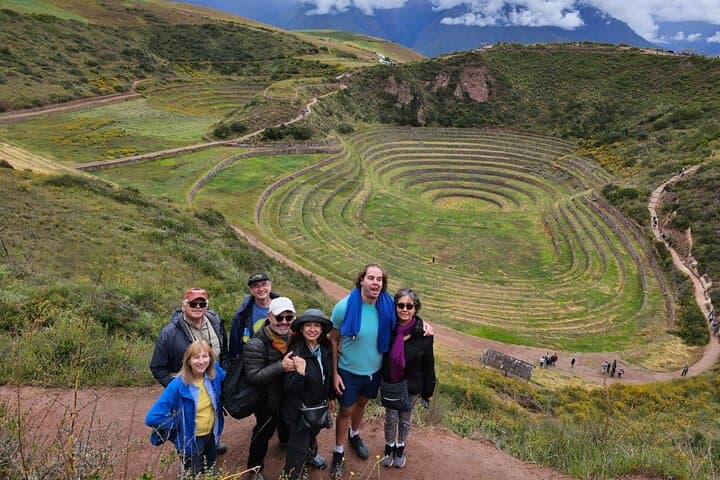
Dawn finds you on a winding valley road as the Andes pull themselves upright, terraces stepping down toward the Urubamba like giant agricultural fingers. You visit textile demonstrations at Chinchero where alpaca fibers are dyed by hand, peer into the concentric bowls of Moray that once tested Inca crop varieties, and walk the salt pans at Maras that glitter like a worked shoreline.
Dawn finds you on a winding valley road as the Andes pull themselves upright, terraces stepping down toward the Urubamba like giant agricultural fingers. You visit textile demonstrations at Chinchero where alpaca fibers are dyed by hand, peer into the concentric bowls of Moray that once tested Inca crop varieties, and walk the salt pans at Maras that glitter like a worked shoreline.
This private two-day itinerary threads history and geology: the Incas engineered microclimates on circular terraces and carved Ollantaytambo’s fortress from precisely fitted granite blocks. Machu Picchu arrives the next morning—clouds and light play over stone plazas and Intihuatana platforms, revealing why the site was both ceremonial center and highland refuge.
Cultural notes: local Quechua communities still practice weaving and agriculture introduced long before the Spanish conquest; guides typically interpret Inca astronomy, terrace farming, and the colonial-era impacts on the Sacred Valley.
Practical guidance: plan for altitude—Cusco sits near 3,400 m—so hydrate, move slowly on the first day, and consider a light coca tea or rest day beforehand. Expect uneven stone steps and narrow paths at Machu Picchu; comfortable trekking shoes and a rain layer are essential. Your private guide times train connections (Ollantaytambo to Aguas Calientes) and handles tickets and transfers, but carry your passport for entry checks. Morning visits bring cooler temperatures and softer light for photos; afternoons are warmer but busier. Respect site rules—stay on marked routes and avoid drone use. With basic fitness, reasonable acclimatization, and attention to weather, this two-day loop delivers highland archaeology, living Andean culture, and one of the world’s most iconic archaeological views.