THE ADVENTURE COLLECTIVE® · Independent discovery and booking for outdoor travel

Walk alongside 18th‑century windmills that still pump the Dutch polders and finish with a stroll through Gouda’s medieval square for cheese and stroopwafel tastings. This private six‑hour tour pairs engineering history with local flavors and easy walking routes.
Walk alongside 18th‑century windmills that still pump the Dutch polders and finish with a stroll through Gouda’s medieval square for cheese and stroopwafel tastings. This private six‑hour tour pairs engineering history with local flavors and easy walking routes.
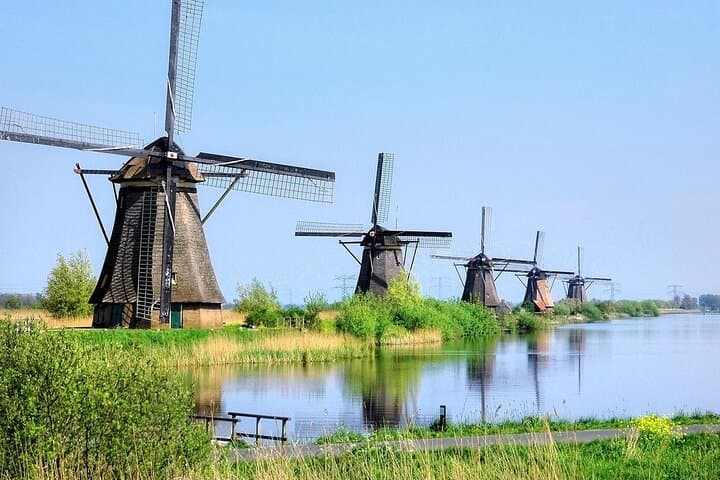
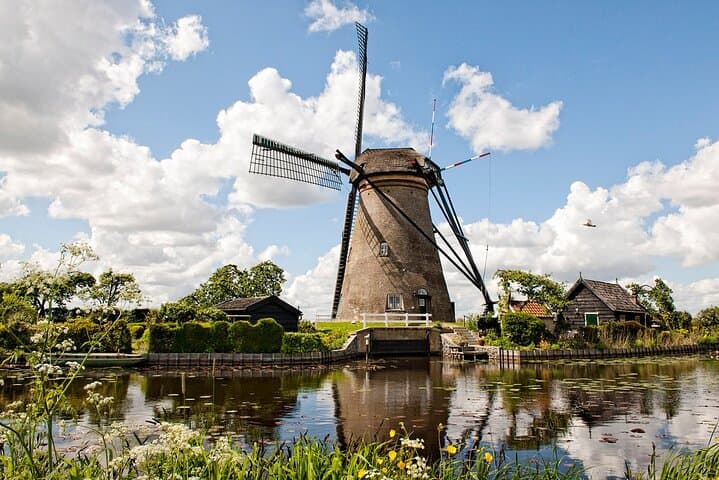
You step out of your vehicle onto a narrow dike and the low Dutch sky opens; the wind takes hold of the mill sails and the canals seem to pull you along. Kinderdijk’s line of 18th‑century windmills looms across flat polderland, each mill busy with the age‑old task of moving water—an honest, mechanical choreography that still keeps the land liveable.
Verified experiences and guided adventures in the surrounding area.
Operated by Uopera tours · Kinderdijk, South Holland
You step out of your vehicle onto a narrow dike and the low Dutch sky opens; the wind takes hold of the mill sails and the canals seem to pull you along. Kinderdijk’s line of 18th‑century windmills looms across flat polderland, each mill busy with the age‑old task of moving water—an honest, mechanical choreography that still keeps the land liveable.
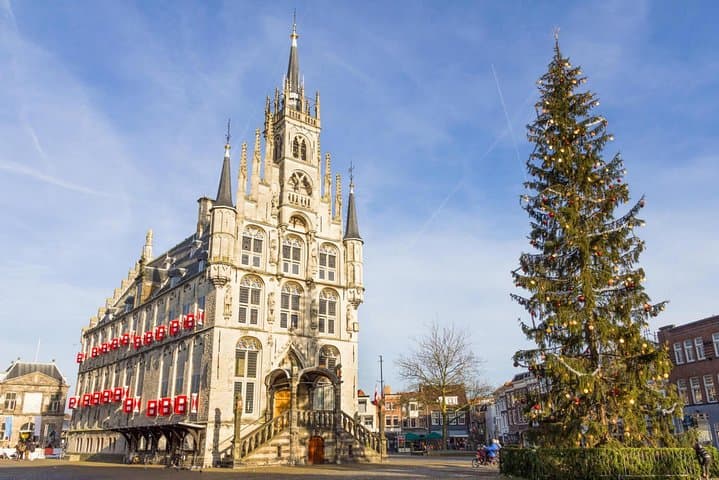
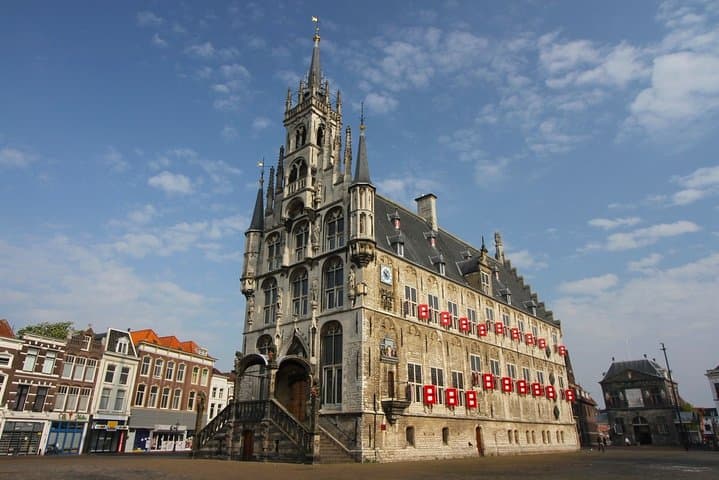
The mills were built in the 1700s to pump the Alblasserwaard polder dry, an engineering response to soft peat soils and a sea that never stops testing the margins. Walk the grassy banks where drainage channels cut clean lines through the landscape and watch the water dare the dikes; if you choose a boat ride, the canals tighten the view to doors, thatch and wooden gears turning. Then the tour slides south to Gouda: a compact medieval market square framed by the 15th‑century town hall and the Waag, where cheese was once weighed and traded.
Expect tasting sessions of Gouda and fresh stroopwafels in the Markt’s shadow, and time to buy wheels of cheese or handcrafted souvenirs. Guides cover practicalities—how windmills work, why the polder matters, and where to find a quieter canal for photos.
Bring layered outerwear and stiff‑soled shoes for wet paths, plan mid‑morning or late afternoon to avoid crowds, and allow six hours for pickup, exploration and return. Accessibility is good around the main paths, but interior mill visits may have steps. Hydrate, protect from wind and sun, and keep to marked paths to respect farmland and the UNESCO site.
easy.
6 hours.
Light walking on mostly flat terrain; suitable for most fitness levels.
The private tour runs about six hours (360 minutes) including transport, site time at Kinderdijk and a walking tour and tasting in Gouda.
Admission to windmill interiors or optional museums is generally not included—confirm with your guide beforehand if you want to enter a mill or take the boat ride.
Yes—pick‑up and drop‑off within Rotterdam (including the cruise terminal) are included in the tour price.
Most exterior paths at Kinderdijk and the Markt in Gouda are accessible, but some mills and museum interiors have steps; notify the operator of accessibility needs when booking.
Kinderdijk’s mills date to the 18th century and form part of a historic water‑management system that reclaimed and protected peat polders; Gouda’s cheese market evolved from medieval trade practices centered on the Waag.
Kinderdijk is a UNESCO site—stay on paths, avoid disturbing farmland and wildlife, and support local businesses to sustain heritage conservation.
Uopera tours operates guided outdoor trips and adventures with an emphasis on safety, stewardship, and memorable experiences.
You step out of your vehicle onto a narrow dike and the low Dutch sky opens; the wind takes hold of the mill sails and the canals seem to pull you along. Kinderdijk’s line of 18th‑century windmills looms across flat polderland, each mill busy with the age‑old task of moving water—an honest, mechanical choreography that still keeps the land liveable.
You step out of your vehicle onto a narrow dike and the low Dutch sky opens; the wind takes hold of the mill sails and the canals seem to pull you along. Kinderdijk’s line of 18th‑century windmills looms across flat polderland, each mill busy with the age‑old task of moving water—an honest, mechanical choreography that still keeps the land liveable.
The mills were built in the 1700s to pump the Alblasserwaard polder dry, an engineering response to soft peat soils and a sea that never stops testing the margins. Walk the grassy banks where drainage channels cut clean lines through the landscape and watch the water dare the dikes; if you choose a boat ride, the canals tighten the view to doors, thatch and wooden gears turning. Then the tour slides south to Gouda: a compact medieval market square framed by the 15th‑century town hall and the Waag, where cheese was once weighed and traded.
Expect tasting sessions of Gouda and fresh stroopwafels in the Markt’s shadow, and time to buy wheels of cheese or handcrafted souvenirs. Guides cover practicalities—how windmills work, why the polder matters, and where to find a quieter canal for photos.
Bring layered outerwear and stiff‑soled shoes for wet paths, plan mid‑morning or late afternoon to avoid crowds, and allow six hours for pickup, exploration and return. Accessibility is good around the main paths, but interior mill visits may have steps. Hydrate, protect from wind and sun, and keep to marked paths to respect farmland and the UNESCO site.