THE ADVENTURE COLLECTIVE® · Independent discovery and booking for outdoor travel

Ride a private golf cart from the Appian Way to hidden catacombs and iconic piazzas, guided by local experts who link underground burial chambers to Rome’s public monuments. This relaxed, 2–3 hour tour pairs comfort with deep-dive history.
Ride a private golf cart from the Appian Way to hidden catacombs and iconic piazzas, guided by local experts who link underground burial chambers to Rome’s public monuments. This relaxed, 2–3 hour tour pairs comfort with deep-dive history.
A late-afternoon sun slides down the brick facades of Rome as a compact golf cart hums to life, carrying a small group past olive trees along the Appian Way toward the shadowed mouths of the catacombs. The city breathes history here: cobbled streets give way to the quieter avenues where underground galleries wait, their stone coolness daring you to step inside.
Verified experiences and guided adventures in the surrounding area.
Operated by Tours of Rome · Rome, Lazio
A late-afternoon sun slides down the brick facades of Rome as a compact golf cart hums to life, carrying a small group past olive trees along the Appian Way toward the shadowed mouths of the catacombs. The city breathes history here: cobbled streets give way to the quieter avenues where underground galleries wait, their stone coolness daring you to step inside.
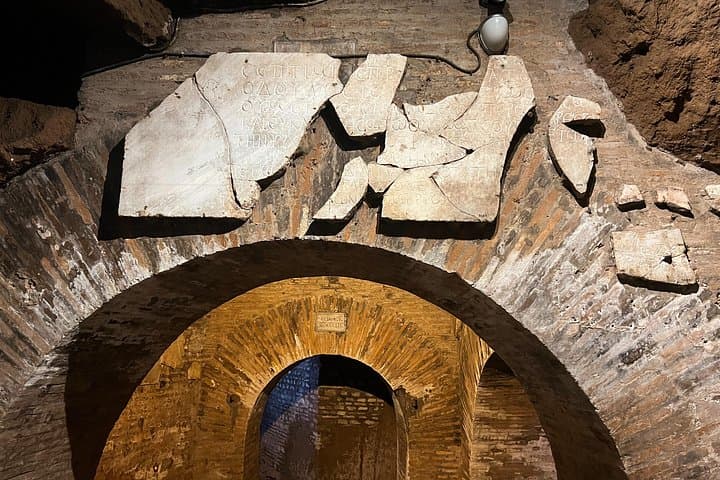
The Catacombs of St. Callixtus and its neighbors are among Rome’s earliest Christian burial networks, carved into tufa and packed with frescoes, inscriptions and burial niches. Above ground, sites like the Circus Maximus, the Temple of Hercules, and Piazza Navona map the city’s layered past—from Etruscan and Republican Rome through Imperial grandeur and Baroque reinvention. Local guides thread these stories together, linking funerary art to imperial politics and urban life.
Practicality steers the route: a private golf cart minimizes walking between spread-out ruins and piazzas, but expect short walks, some steps, and low-ceilinged tunnels in the catacombs. Bring a photo-friendly, no-flash policy, valid ID for entrance, and wear sturdy shoes; the underground is uneven and dim. Timing matters—late afternoon or early evening eases crowds and the heat in summer; weekdays reduce congestion at popular piazzas.
This tour balances comfort and curiosity: it’s intimate enough to ask questions, broad enough to give a sense of Rome’s strata. For travelers who want history on an unhurried timetable, the cart moves slowly while the stories accelerate, revealing a city that keeps reshaping its past underfoot.
moderate.
2–3 hours.
Light-to-moderate mobility with ability to walk short distances and descend stairs; not suitable for infants.
Access includes stairs and narrow passages; many areas are not wheelchair accessible—contact the operator in advance for alternatives.
Non-flash photography is commonly allowed but rules vary by site; follow the guide’s instructions to protect fragile frescoes.
This particular tour notes it is not suitable for babies/young children due to subterranean conditions and safety constraints.
Guides will substitute an alternative catacomb or extend other stops to match the tour length and maintain the itinerary’s educational value.
The catacombs served as community burial grounds and painted galleries for early Christians and Jews from the 2nd to 5th centuries CE, reflecting funeral rites and iconography of late antiquity.
Subterranean sites are sensitive to humidity, light and visitor traffic; operators work with site managers to limit impact and encourage leaving no trace.
Tours of Rome operates guided outdoor trips and adventures with an emphasis on safety, stewardship, and memorable experiences.
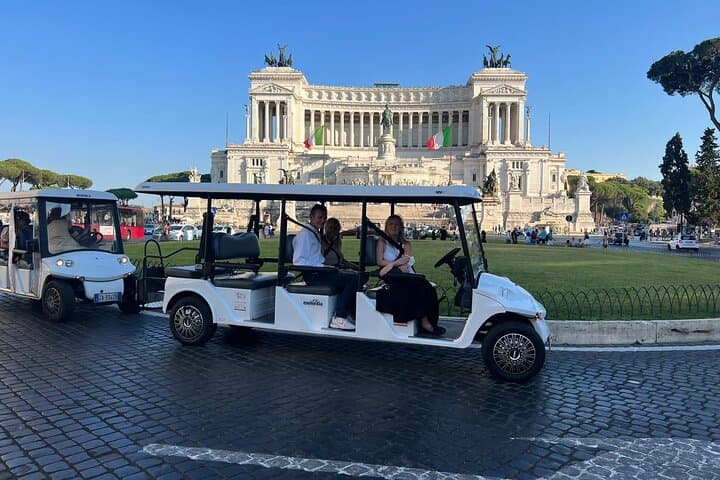
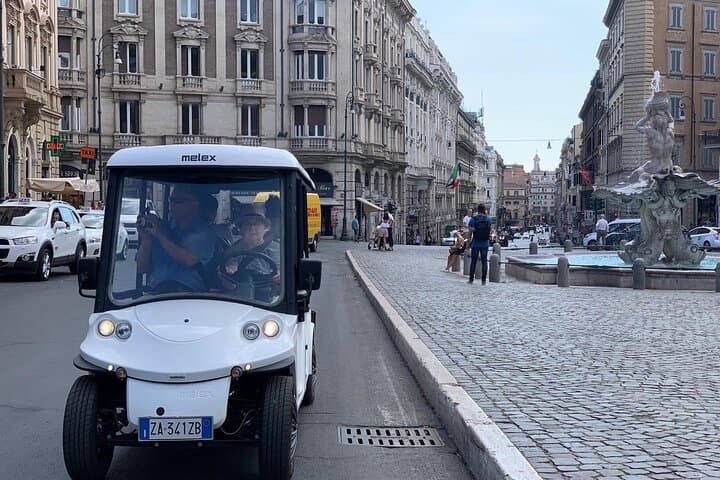
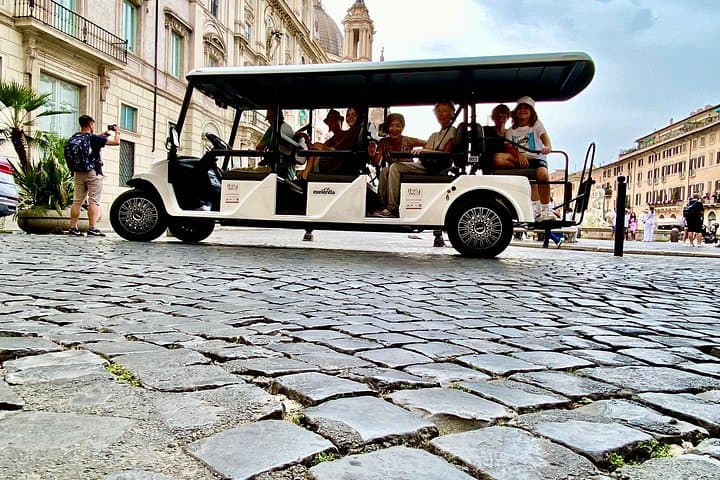
A late-afternoon sun slides down the brick facades of Rome as a compact golf cart hums to life, carrying a small group past olive trees along the Appian Way toward the shadowed mouths of the catacombs. The city breathes history here: cobbled streets give way to the quieter avenues where underground galleries wait, their stone coolness daring you to step inside.
A late-afternoon sun slides down the brick facades of Rome as a compact golf cart hums to life, carrying a small group past olive trees along the Appian Way toward the shadowed mouths of the catacombs. The city breathes history here: cobbled streets give way to the quieter avenues where underground galleries wait, their stone coolness daring you to step inside.
The Catacombs of St. Callixtus and its neighbors are among Rome’s earliest Christian burial networks, carved into tufa and packed with frescoes, inscriptions and burial niches. Above ground, sites like the Circus Maximus, the Temple of Hercules, and Piazza Navona map the city’s layered past—from Etruscan and Republican Rome through Imperial grandeur and Baroque reinvention. Local guides thread these stories together, linking funerary art to imperial politics and urban life.
Practicality steers the route: a private golf cart minimizes walking between spread-out ruins and piazzas, but expect short walks, some steps, and low-ceilinged tunnels in the catacombs. Bring a photo-friendly, no-flash policy, valid ID for entrance, and wear sturdy shoes; the underground is uneven and dim. Timing matters—late afternoon or early evening eases crowds and the heat in summer; weekdays reduce congestion at popular piazzas.
This tour balances comfort and curiosity: it’s intimate enough to ask questions, broad enough to give a sense of Rome’s strata. For travelers who want history on an unhurried timetable, the cart moves slowly while the stories accelerate, revealing a city that keeps reshaping its past underfoot.