THE ADVENTURE COLLECTIVE® · Independent discovery and booking for outdoor travel

Learn outdoor rock climbing in Scotland’s central belt with a certified RCI instructor. This full-day, beginner-friendly session teaches rope skills, knots, belaying, and abseiling on single-pitch sport and possible trad routes.
Learn outdoor rock climbing in Scotland’s central belt with a certified RCI instructor. This full-day, beginner-friendly session teaches rope skills, knots, belaying, and abseiling on single-pitch sport and possible trad routes.
You arrive at the crag when the air is still damp from morning drizzle and the rock smells faintly of peat and sea. The instructor checks ropes the way a mechanic checks brakes — methodically, without fuss — while the quarry walls stand like old, patient teachers. Around you, the central belt of Scotland stretches in muted greens and greys: canal-side cuttings at Auchinstarry, the chalkier folds of Traprain Law, the vertical faces of Neilston Quarry. The wind tugs at your jacket, as if daring your next move.
Verified experiences and guided adventures in the surrounding area.
Operated by Kookoo Climb · Stirling, Scotland
You arrive at the crag when the air is still damp from morning drizzle and the rock smells faintly of peat and sea. The instructor checks ropes the way a mechanic checks brakes — methodically, without fuss — while the quarry walls stand like old, patient teachers. Around you, the central belt of Scotland stretches in muted greens and greys: canal-side cuttings at Auchinstarry, the chalkier folds of Traprain Law, the vertical faces of Neilston Quarry. The wind tugs at your jacket, as if daring your next move.
Scotland’s climbing history is practical and blunt: many popular single-pitch walls were once industrial scars—quarries and railway cuttings—that climbers repurposed into training grounds. Traprain Law carries a longer human story; its slopes hide Iron Age remains and provide coastal views sailors have used for centuries. The rock here is varied—older volcanic lavas, weathered sandstone, and quarried basalt—so routes change from positive holds to thin, slabby feet-testing problems.
Culturally, outdoor climbing in the central belt is social and straightforward. Groups meet at a canal basin or lay out kit on a quarry apron; tea and sandwiches get passed between belay checks. Instructors follow rigorous RCI standards, and sessions are designed to demystify ropework: tying figure-eights, clipping draws, managing belays, and abseiling off a clean anchor.
The program suits complete beginners as well as indoor climbers curious about real rock. Expect single-pitch sport routes and, when conditions and skills allow, an introduction to traditional protection. With a 1:12 instructor-to-participant ratio and space for larger groups, the session balances personal feedback with room to climb. Weather governs the day—rain will push a group to a more sheltered quarry or delay the outing—so flexibility is built into planning.
Practical guidance: wear grippy approach shoes or your own climbing shoes, layer for Scottish microclimates, and bring a lightweight waterproof shell. Hydrate before you start and pack a compact lunch; energy fades on long belays. Listen to your instructor: efficient footwork and relaxed breathing conserve energy far better than pulling hard on pumps. If you’re coming with a group, communicate medical needs and comfort with exposure ahead of time.
For photographers, low sun slices the faces in the late afternoon; for learners, morning sessions are quieter and cooler. The climb is equal parts physical and mental—rock will test finger strength, wind will test resolve, and the instructor will give you the tools to meet both. Walk away with knots, belay skills, an independent abseil, and the first honest impressions of Scottish outdoor climbing.
moderate.
6–8 hours.
Suitable for general fitness; participants should be able to hike short uneven approaches and stand on their feet for extended periods.
No—these sessions are designed for complete beginners and indoor climbers transitioning to outdoor rock.
The program maintains a 1:12 instructor-to-participant ratio and can accommodate larger private groups with additional instructors.
Yes—the instructor provides ropes, helmets, harnesses, and common protection; you can bring personal climbing shoes if you prefer.
Locations are chosen across Scotland’s central belt (Neilston Quarry, Benny Beg, Auchinstarry, Traprain Law) based on weather and group proximity; the exact crag is decided before the session.
Instructors pick sheltered or alternative crags when possible; sessions are flexible but severe weather may require rescheduling—confirm cancellation terms at booking.
Yes—there are introduction days tailored for school groups and clubs; age and specific needs should be declared at booking.
Many central-belt crags began as quarries and railway cuttings; climbers repurposed industrial scars into training walls, while nearby Traprain Law preserves Iron Age archaeological remains.
Stick to established paths and belay ledges to limit erosion; instructors follow Leave No Trace principles and advise minimal chalk and fixed gear where possible.
Kookoo Climb operates guided outdoor trips and adventures with an emphasis on safety, stewardship, and memorable experiences.
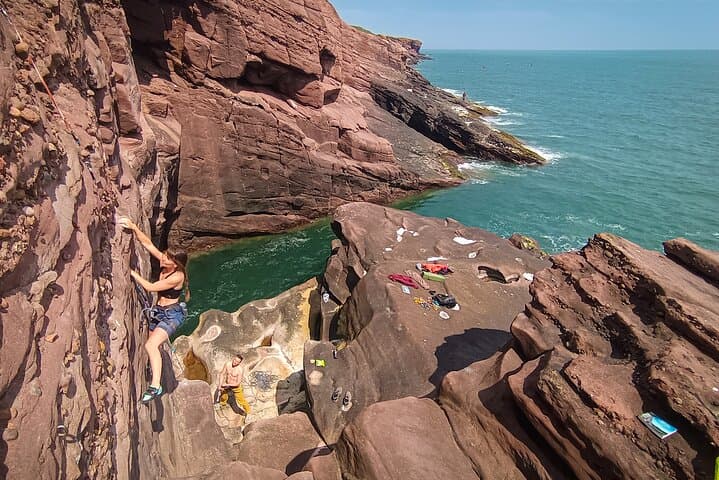
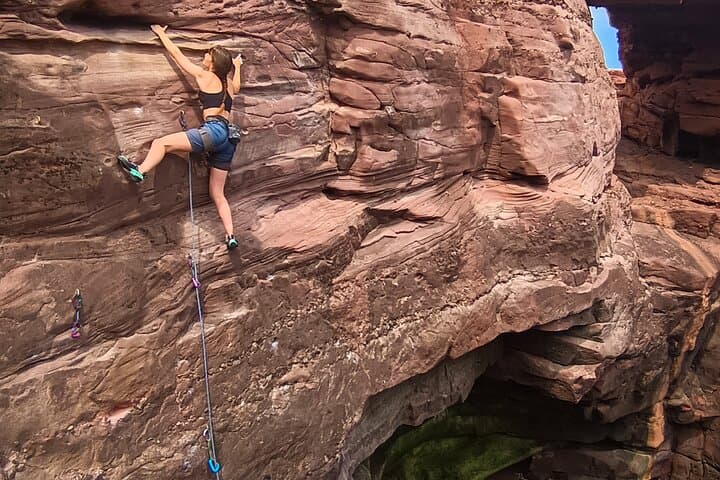
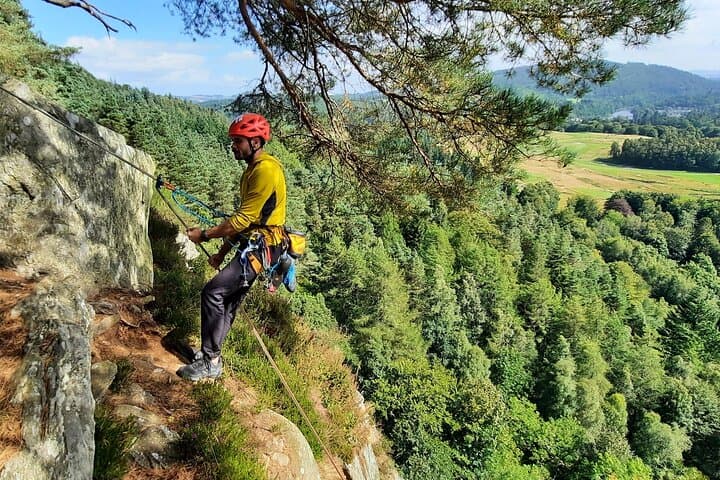
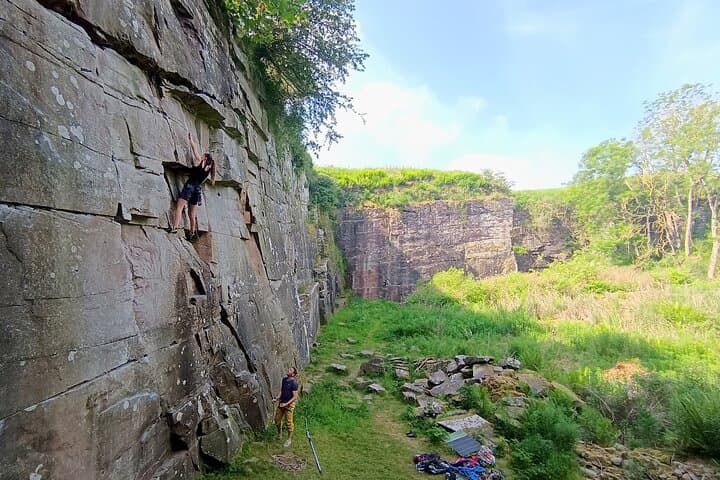
You arrive at the crag when the air is still damp from morning drizzle and the rock smells faintly of peat and sea. The instructor checks ropes the way a mechanic checks brakes — methodically, without fuss — while the quarry walls stand like old, patient teachers. Around you, the central belt of Scotland stretches in muted greens and greys: canal-side cuttings at Auchinstarry, the chalkier folds of Traprain Law, the vertical faces of Neilston Quarry. The wind tugs at your jacket, as if daring your next move.
You arrive at the crag when the air is still damp from morning drizzle and the rock smells faintly of peat and sea. The instructor checks ropes the way a mechanic checks brakes — methodically, without fuss — while the quarry walls stand like old, patient teachers. Around you, the central belt of Scotland stretches in muted greens and greys: canal-side cuttings at Auchinstarry, the chalkier folds of Traprain Law, the vertical faces of Neilston Quarry. The wind tugs at your jacket, as if daring your next move.
Scotland’s climbing history is practical and blunt: many popular single-pitch walls were once industrial scars—quarries and railway cuttings—that climbers repurposed into training grounds. Traprain Law carries a longer human story; its slopes hide Iron Age remains and provide coastal views sailors have used for centuries. The rock here is varied—older volcanic lavas, weathered sandstone, and quarried basalt—so routes change from positive holds to thin, slabby feet-testing problems.
Culturally, outdoor climbing in the central belt is social and straightforward. Groups meet at a canal basin or lay out kit on a quarry apron; tea and sandwiches get passed between belay checks. Instructors follow rigorous RCI standards, and sessions are designed to demystify ropework: tying figure-eights, clipping draws, managing belays, and abseiling off a clean anchor.
The program suits complete beginners as well as indoor climbers curious about real rock. Expect single-pitch sport routes and, when conditions and skills allow, an introduction to traditional protection. With a 1:12 instructor-to-participant ratio and space for larger groups, the session balances personal feedback with room to climb. Weather governs the day—rain will push a group to a more sheltered quarry or delay the outing—so flexibility is built into planning.
Practical guidance: wear grippy approach shoes or your own climbing shoes, layer for Scottish microclimates, and bring a lightweight waterproof shell. Hydrate before you start and pack a compact lunch; energy fades on long belays. Listen to your instructor: efficient footwork and relaxed breathing conserve energy far better than pulling hard on pumps. If you’re coming with a group, communicate medical needs and comfort with exposure ahead of time.
For photographers, low sun slices the faces in the late afternoon; for learners, morning sessions are quieter and cooler. The climb is equal parts physical and mental—rock will test finger strength, wind will test resolve, and the instructor will give you the tools to meet both. Walk away with knots, belay skills, an independent abseil, and the first honest impressions of Scottish outdoor climbing.