THE ADVENTURE COLLECTIVE® · Independent discovery and booking for outdoor travel

Cross Cape Town’s harbor aboard a private charter to Robben Island, where concise guided interpretation connects dramatic coastal views with the island’s pivotal role in South Africa’s history. Expect a four-hour outing mixing boat time, vehicle transfers, and accessible on-island walking.
Cross Cape Town’s harbor aboard a private charter to Robben Island, where concise guided interpretation connects dramatic coastal views with the island’s pivotal role in South Africa’s history. Expect a four-hour outing mixing boat time, vehicle transfers, and accessible on-island walking.
The skyline of Cape Town shrinks as the boat cuts through turquoise water, Table Mountain lingering like a slow-moving watchman. Salt spray and sea air sharpen the quiet as Robben Island approaches — low, wind-scarred, and stubbornly plain in profile. The ferry's wake pushes you toward shore; gulls wheel and the island’s limestone edge dares you to look closer.
Verified experiences and guided adventures in the surrounding area.
Operated by Safari Private Tours. · Cape Town, Western Cape
The skyline of Cape Town shrinks as the boat cuts through turquoise water, Table Mountain lingering like a slow-moving watchman. Salt spray and sea air sharpen the quiet as Robben Island approaches — low, wind-scarred, and stubbornly plain in profile. The ferry's wake pushes you toward shore; gulls wheel and the island’s limestone edge dares you to look closer.
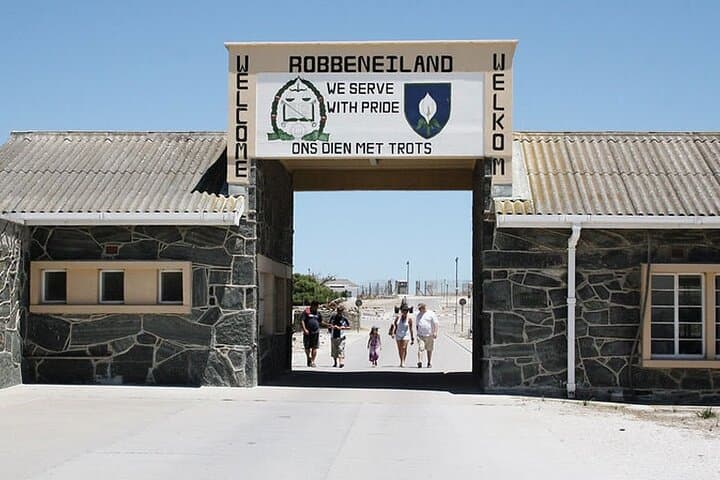
Robben Island wears its history openly: a former leper colony, military base, and most famously, the prison that held Nelson Mandela and other political prisoners. Its quarried limestone and flat, windswept plains tell a geology of wind and wave rather than alpine drama. Guides frame the island through the arc of South Africa’s 20th-century struggle for democracy, explaining how rock and isolation became tools of containment — and, later, memory.
The tour balances interpretation with landscape. You’ll ride a private vehicle between sites, step into the small prison cells, and stand where the coastline faces the Cape. Wildlife is an accessory to story: Cape fur seals and seabirds buoy the edges of the island, and offshore you may spot dolphins or seasonal whales.
Practicalities matter: be ready for wind, sudden sun, and wet decks. The crossing can be choppy; motion-sickness remedies are wise. Wear closed shoes for gravel paths, bring sun protection, and pack a warm layer even in summer. The tour is wheelchair-accessible but expect outdoor walking over uneven surfaces. Time your visit for calmer seas — mornings often offer better water — and treat the island with respect: follow paths, heed guides, and remember you’re on both a natural and cultural monument.
easy.
4 hours.
Suitable for most fitness levels; requires boarding a boat and short walks on gravel and paved surfaces.
Yes — the excursion and on-island vehicle transfers are listed as wheelchair accessible, though some outdoor paths are uneven; notify operators in advance for assistance.
Tours operate in a range of conditions but crossings may be uncomfortable in strong seas; cancellation and refund policies typically require 24‑hour notice for a full refund.
Bring government ID or passport details as part of booking and boarding requirements; confirm specific documentation with the operator before travel.
Photography is generally allowed in open areas but may be restricted in certain spaces out of respect for exhibits and other visitors; follow your guide’s instructions.
Robben Island served as a prison during apartheid, most famously incarcerating Nelson Mandela; it is a UNESCO World Heritage Site that preserves both political and social history.
The island’s ecology and historical sites are vulnerable to disturbance — stick to paths, don’t feed wildlife, and support the museum’s conservation programs when possible.
Safari Private Tours. operates guided outdoor trips and adventures with an emphasis on safety, stewardship, and memorable experiences.
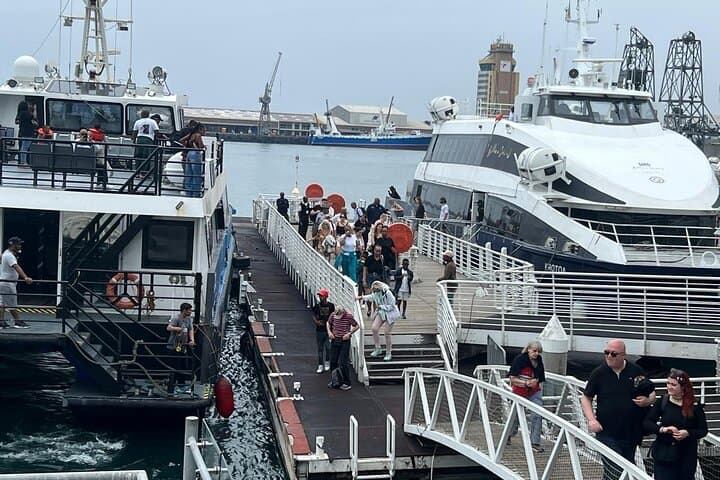

The skyline of Cape Town shrinks as the boat cuts through turquoise water, Table Mountain lingering like a slow-moving watchman. Salt spray and sea air sharpen the quiet as Robben Island approaches — low, wind-scarred, and stubbornly plain in profile. The ferry's wake pushes you toward shore; gulls wheel and the island’s limestone edge dares you to look closer.
The skyline of Cape Town shrinks as the boat cuts through turquoise water, Table Mountain lingering like a slow-moving watchman. Salt spray and sea air sharpen the quiet as Robben Island approaches — low, wind-scarred, and stubbornly plain in profile. The ferry's wake pushes you toward shore; gulls wheel and the island’s limestone edge dares you to look closer.
Robben Island wears its history openly: a former leper colony, military base, and most famously, the prison that held Nelson Mandela and other political prisoners. Its quarried limestone and flat, windswept plains tell a geology of wind and wave rather than alpine drama. Guides frame the island through the arc of South Africa’s 20th-century struggle for democracy, explaining how rock and isolation became tools of containment — and, later, memory.
The tour balances interpretation with landscape. You’ll ride a private vehicle between sites, step into the small prison cells, and stand where the coastline faces the Cape. Wildlife is an accessory to story: Cape fur seals and seabirds buoy the edges of the island, and offshore you may spot dolphins or seasonal whales.
Practicalities matter: be ready for wind, sudden sun, and wet decks. The crossing can be choppy; motion-sickness remedies are wise. Wear closed shoes for gravel paths, bring sun protection, and pack a warm layer even in summer. The tour is wheelchair-accessible but expect outdoor walking over uneven surfaces. Time your visit for calmer seas — mornings often offer better water — and treat the island with respect: follow paths, heed guides, and remember you’re on both a natural and cultural monument.