THE ADVENTURE COLLECTIVE® · Independent discovery and booking for outdoor travel

A full-day private tour that pairs Robben Island’s powerful history with the sweeping panoramas of Table Mountain and the colorful streets of Bo‑Kaap. Expect 7–8 hours of guided interpretation, ferry crossings, and panoramic cable car rides with door‑to‑door pickup.
A full-day private tour that pairs Robben Island’s powerful history with the sweeping panoramas of Table Mountain and the colorful streets of Bo‑Kaap. Expect 7–8 hours of guided interpretation, ferry crossings, and panoramic cable car rides with door‑to‑door pickup.
You step off the ferry into a wind that pushes the ocean into a low roar; the island’s stone buildings appear like punctuation against the sky. On Robben Island, the concrete cells and narrow corridors make history immediate — voices of the past still present in the guides’ measured cadence. Later, the cable car climbs Table Mountain, the flat sandstone top opening like a plateau to the sea, and the city below feels both intimate and enormous.
Verified experiences and guided adventures in the surrounding area.
Operated by Bakunda Travel and Tours · Cape Town, Western Cape
You step off the ferry into a wind that pushes the ocean into a low roar; the island’s stone buildings appear like punctuation against the sky. On Robben Island, the concrete cells and narrow corridors make history immediate — voices of the past still present in the guides’ measured cadence. Later, the cable car climbs Table Mountain, the flat sandstone top opening like a plateau to the sea, and the city below feels both intimate and enormous.
Robben Island is a UNESCO World Heritage Site where political prisoners, including Nelson Mandela, were held during apartheid; the route through the prison blends oral history with material evidence. Geologically, Table Mountain is Cape Supergroup sandstone — ancient, erosion-sculpted, and a dominant landmark that shapes local weather. Bo-Kaap’s brightly painted houses and Cape Malay cuisine reflect a culture forged from maritime trade and forced displacement, visible in street names and the rhythm of community cooking.
Practical guidance: expect a 7–8 hour day with multiple short walks and standing time on ferries and at viewpoints. Bring sea-sickness remedies if you’re sensitive; ferry crossings can be choppy. Train your legs for steps and cobbled streets rather than steep hikes — mobility-friendly options exist but confirm at booking. Timing matters: morning ferries often have calmer seas and fewer cable car queues; plan lunch in advance if you want a table in Bo-Kaap.
Respect both living communities and protected landscapes — stay on marked paths, follow guide instructions at Robben Island, and pack out any waste. This blend of history and highland panoramas gives a clear, tactile sense of Cape Town’s layered story.
easy.
7–8 hours.
Light walking fitness; able to stand through a guided walk and manage short flights of stairs.
The full experience runs about 7–8 hours (420–480 minutes), including ferry time, visits, and city stops.
Robben Island provides some accessibility, but the site includes uneven surfaces and ramps — notify the operator at booking so they can arrange assistance.
Yes — cable car tickets to the summit are included in the listed tour inclusions.
This is a private tour so you can request adjustments (timing, lunch, emphasis on certain sites); confirm changes at booking.
Robben Island served as a political prison for much of the 20th century; Table Mountain’s sandstone is part of the ancient Cape Supergroup that dominates the peninsula.
Robben Island and Table Mountain are protected — follow marked trails, avoid disturbing wildlife, and minimize plastic waste to protect coastal and upland habitats.
Bakunda Travel and Tours operates guided outdoor trips and adventures with an emphasis on safety, stewardship, and memorable experiences.
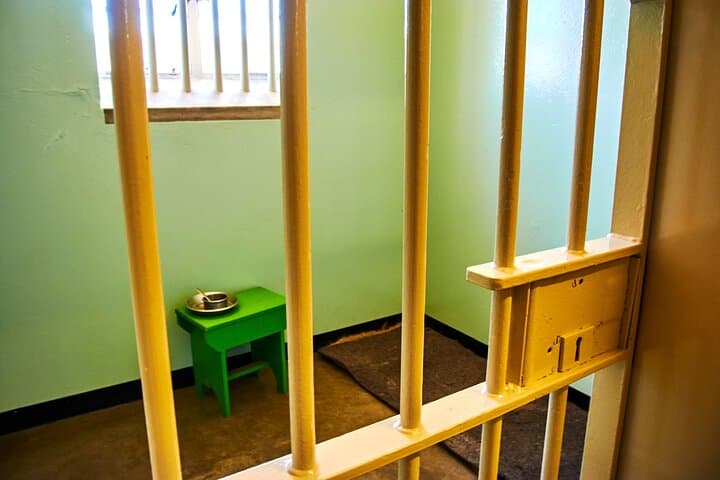
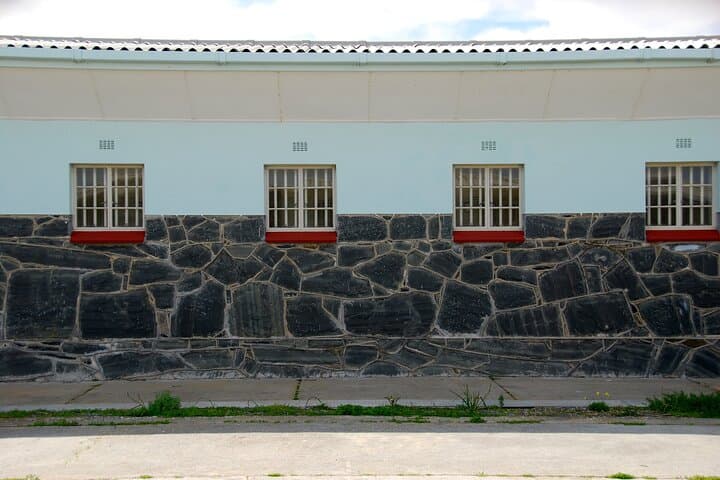
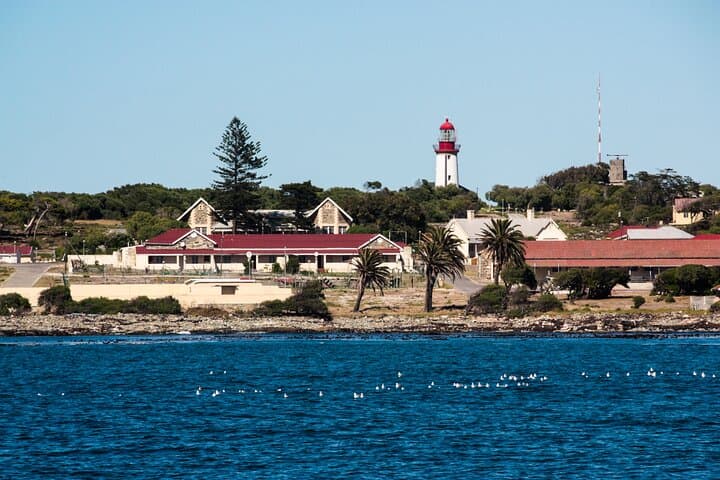
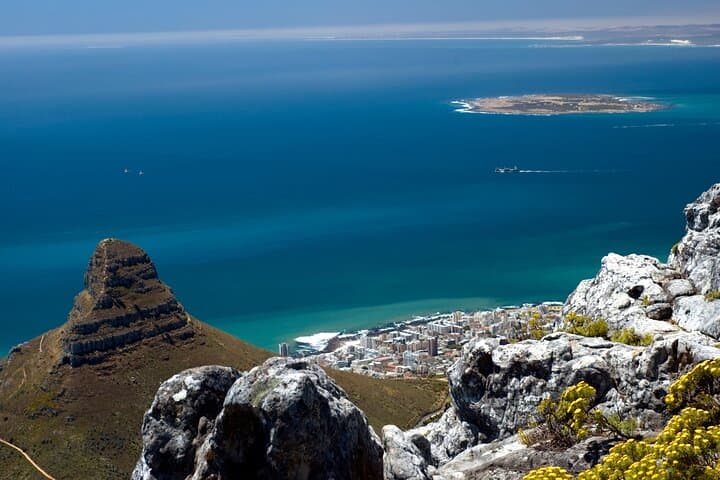
You step off the ferry into a wind that pushes the ocean into a low roar; the island’s stone buildings appear like punctuation against the sky. On Robben Island, the concrete cells and narrow corridors make history immediate — voices of the past still present in the guides’ measured cadence. Later, the cable car climbs Table Mountain, the flat sandstone top opening like a plateau to the sea, and the city below feels both intimate and enormous.
You step off the ferry into a wind that pushes the ocean into a low roar; the island’s stone buildings appear like punctuation against the sky. On Robben Island, the concrete cells and narrow corridors make history immediate — voices of the past still present in the guides’ measured cadence. Later, the cable car climbs Table Mountain, the flat sandstone top opening like a plateau to the sea, and the city below feels both intimate and enormous.
Robben Island is a UNESCO World Heritage Site where political prisoners, including Nelson Mandela, were held during apartheid; the route through the prison blends oral history with material evidence. Geologically, Table Mountain is Cape Supergroup sandstone — ancient, erosion-sculpted, and a dominant landmark that shapes local weather. Bo-Kaap’s brightly painted houses and Cape Malay cuisine reflect a culture forged from maritime trade and forced displacement, visible in street names and the rhythm of community cooking.
Practical guidance: expect a 7–8 hour day with multiple short walks and standing time on ferries and at viewpoints. Bring sea-sickness remedies if you’re sensitive; ferry crossings can be choppy. Train your legs for steps and cobbled streets rather than steep hikes — mobility-friendly options exist but confirm at booking. Timing matters: morning ferries often have calmer seas and fewer cable car queues; plan lunch in advance if you want a table in Bo-Kaap.
Respect both living communities and protected landscapes — stay on marked paths, follow guide instructions at Robben Island, and pack out any waste. This blend of history and highland panoramas gives a clear, tactile sense of Cape Town’s layered story.