THE ADVENTURE COLLECTIVE® · Independent discovery and booking for outdoor travel

A private, full-day drive along Maui’s legendary Road to Hana that pairs cascading waterfalls, black lava shores and local food stops with a guide who explains the island’s history and stewardship. Ideal for travelers who want the Route to Hana without the logistics of driving it themselves.
A private, full-day drive along Maui’s legendary Road to Hana that pairs cascading waterfalls, black lava shores and local food stops with a guide who explains the island’s history and stewardship. Ideal for travelers who want the Route to Hana without the logistics of driving it themselves.
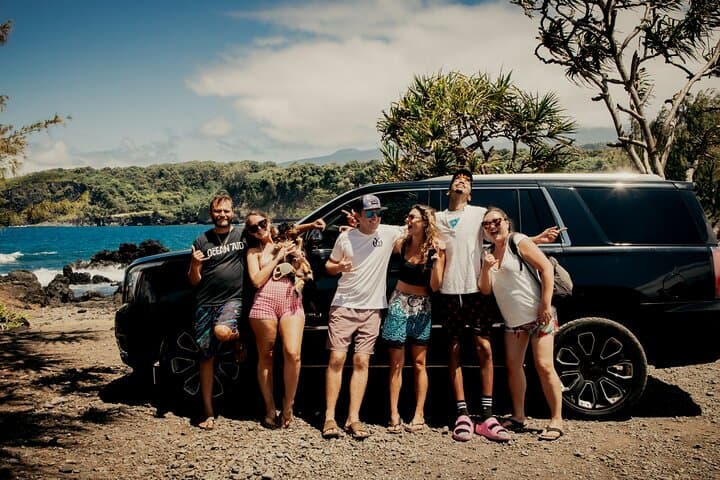
The van turns off the main highway and the air changes—salt and wet fern, with a hint of grilled chicken from a roadside stand. Wind sculpts the cloud cover over Haleakalā, and the driver, a guide born and raised on Maui, points out a living map: old sugar routes, taro loʻi carved into the valley, and a coastline that refuses to be tamed. This is the Road to Hana, a full-day, private tour that compresses the island’s drama into eight hours of switchbacks, waterfalls, black-rock shorelines and small-town hospitality.
Verified experiences and guided adventures in the surrounding area.
Operated by Eugene Zollinger · Hana, HI
The van turns off the main highway and the air changes—salt and wet fern, with a hint of grilled chicken from a roadside stand. Wind sculpts the cloud cover over Haleakalā, and the driver, a guide born and raised on Maui, points out a living map: old sugar routes, taro loʻi carved into the valley, and a coastline that refuses to be tamed. This is the Road to Hana, a full-day, private tour that compresses the island’s drama into eight hours of switchbacks, waterfalls, black-rock shorelines and small-town hospitality.
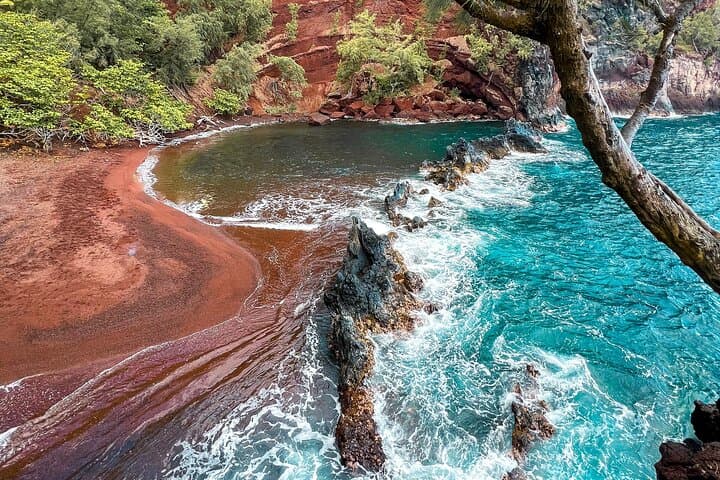
Geologically, the drive traces the island’s volcanic aftershocks. Basalt cliffs drop into surf-churned coves, while stream-fed valleys cut their own green canyons into the eastern flank of Haleakalā. Hana itself was for centuries a place of refuge and subsistence—communities here practiced loʻi kalo (wetland taro farming) and maintained an economy measured in fish, taro, and voyaging canoes. Today the route is part living history and part conservation effort; local families still tend kalo patches and guides will often pause to explain cultural protocols and the land’s stewardship.
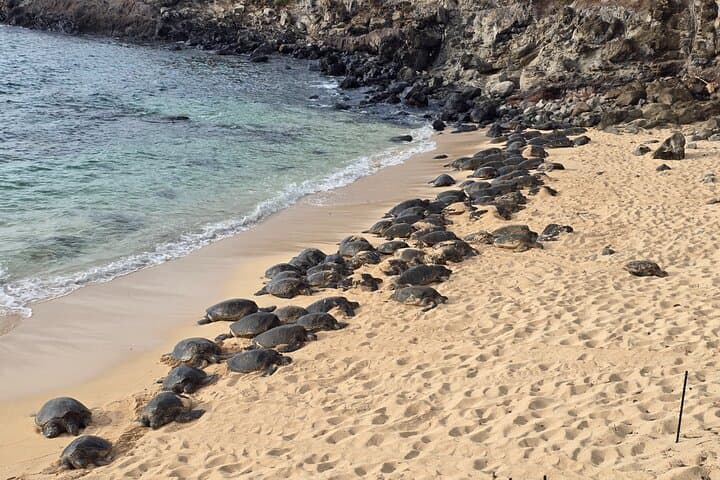
Culturally, the experience is as much about listening as looking. Your guide will talk story—about plantation-era towns, the shift to small farms, and the modern struggle to balance tourism with community life. Stops are curated to showcase contrasts: the volcanic black rock at Keānae with its thunderous surf and traditional taro patches, Hamoa Beach’s crescent of sand where body-surfers test the Pacific’s patience, and Hana Bay’s quiet harbor, where islands of seabirds wheel and the sea turtles haul out beneath observation platforms.
Practicalities are straightforward. This is a private, eight-hour tour with pickup options across central Maui; guides provide bottled water, sparkling coconut water, snacks and towels. Expect multiple short walks and at least one swim stop—bring reef-safe sunscreen and a change of clothes. The road is narrow and twisty: motion-sensitive travelers should plan accordingly and drivers should be comfortable with tight turns.
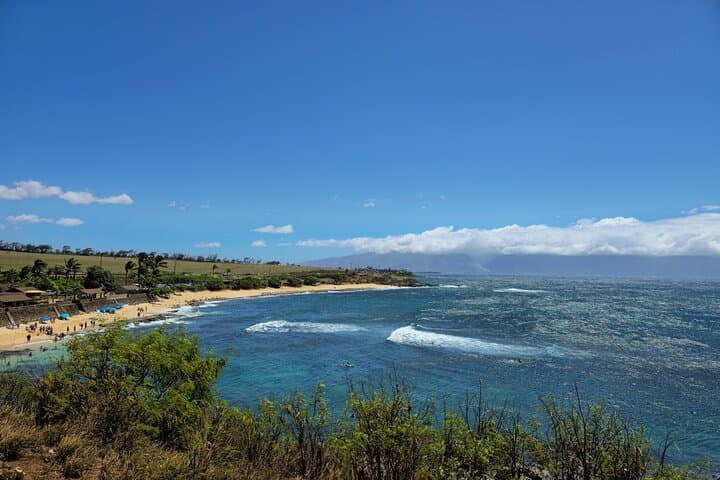
To get the most from the day, start early to beat the mid-day crowds and trade winds. Ask your guide about the local food stops—Hana’s food trucks and Hana Farms are excellent for a farm-to-table lunch—and leave time at Ho’okipa for sunset and the chance to see Hawaiian green sea turtles. Respect private property and cultural sites: many viewpoints sit on or beside working farms and sacred spaces. With a knowledgeable guide, the Road to Hana becomes more than a checklist of overlooks—it becomes a guided conversation with Maui’s landscape, its people, and its history.
moderate.
8 hours.
Moderate fitness—able to handle short walks, uneven terrain at viewpoints, and one swim; not strenuous hiking.
No—this is a private guided tour with pickup; the guide handles navigation, parking and local logistics so you can focus on the scenery.
Yes at designated swimming pools, but conditions vary; always follow your guide’s safety advice about currents and depth.
Bottled water, sparkling coconut water, snacks and towels are included; lunch is typically at a local restaurant or food truck and is pay-as-you-go.
Yes—families are welcome; guides recommend children be supervised near water and on narrow trails and that parents assess motion-sickness risk.
Tours may be canceled or rerouted for safety in heavy rain or surf; check the cancellation policy and confirm with the operator if conditions are poor.
The tour involves uneven surfaces and short walks; it’s not fully wheelchair-accessible—contact the operator to discuss specific mobility needs.
Hana remained isolated for much of its history, preserving traditional loʻi kalo farming and small-scale fishing; the road opened access gradually and changed the local economy.
Visitors are asked to use reef-safe sunscreen, avoid disturbing wildlife, and stay on trails to protect fragile coastal ecosystems and taro patches.
Eugene Zollinger operates guided outdoor trips and adventures with an emphasis on safety, stewardship, and memorable experiences.
The van turns off the main highway and the air changes—salt and wet fern, with a hint of grilled chicken from a roadside stand. Wind sculpts the cloud cover over Haleakalā, and the driver, a guide born and raised on Maui, points out a living map: old sugar routes, taro loʻi carved into the valley, and a coastline that refuses to be tamed. This is the Road to Hana, a full-day, private tour that compresses the island’s drama into eight hours of switchbacks, waterfalls, black-rock shorelines and small-town hospitality.
The van turns off the main highway and the air changes—salt and wet fern, with a hint of grilled chicken from a roadside stand. Wind sculpts the cloud cover over Haleakalā, and the driver, a guide born and raised on Maui, points out a living map: old sugar routes, taro loʻi carved into the valley, and a coastline that refuses to be tamed. This is the Road to Hana, a full-day, private tour that compresses the island’s drama into eight hours of switchbacks, waterfalls, black-rock shorelines and small-town hospitality.
Geologically, the drive traces the island’s volcanic aftershocks. Basalt cliffs drop into surf-churned coves, while stream-fed valleys cut their own green canyons into the eastern flank of Haleakalā. Hana itself was for centuries a place of refuge and subsistence—communities here practiced loʻi kalo (wetland taro farming) and maintained an economy measured in fish, taro, and voyaging canoes. Today the route is part living history and part conservation effort; local families still tend kalo patches and guides will often pause to explain cultural protocols and the land’s stewardship.
Culturally, the experience is as much about listening as looking. Your guide will talk story—about plantation-era towns, the shift to small farms, and the modern struggle to balance tourism with community life. Stops are curated to showcase contrasts: the volcanic black rock at Keānae with its thunderous surf and traditional taro patches, Hamoa Beach’s crescent of sand where body-surfers test the Pacific’s patience, and Hana Bay’s quiet harbor, where islands of seabirds wheel and the sea turtles haul out beneath observation platforms.
Practicalities are straightforward. This is a private, eight-hour tour with pickup options across central Maui; guides provide bottled water, sparkling coconut water, snacks and towels. Expect multiple short walks and at least one swim stop—bring reef-safe sunscreen and a change of clothes. The road is narrow and twisty: motion-sensitive travelers should plan accordingly and drivers should be comfortable with tight turns.
To get the most from the day, start early to beat the mid-day crowds and trade winds. Ask your guide about the local food stops—Hana’s food trucks and Hana Farms are excellent for a farm-to-table lunch—and leave time at Ho’okipa for sunset and the chance to see Hawaiian green sea turtles. Respect private property and cultural sites: many viewpoints sit on or beside working farms and sacred spaces. With a knowledgeable guide, the Road to Hana becomes more than a checklist of overlooks—it becomes a guided conversation with Maui’s landscape, its people, and its history.