THE ADVENTURE COLLECTIVE® · Independent discovery and booking for outdoor travel

A private, full-day Road to Hana tour that lets your group set the pace—expect rainforest walks, black sand beaches, lava tubes and roadside banana bread. This VIP option includes pickup anywhere between Lahaina and Kapalua, bottled water, snacks and water-hiking shoes.
A private, full-day Road to Hana tour that lets your group set the pace—expect rainforest walks, black sand beaches, lava tubes and roadside banana bread. This VIP option includes pickup anywhere between Lahaina and Kapalua, bottled water, snacks and water-hiking shoes.
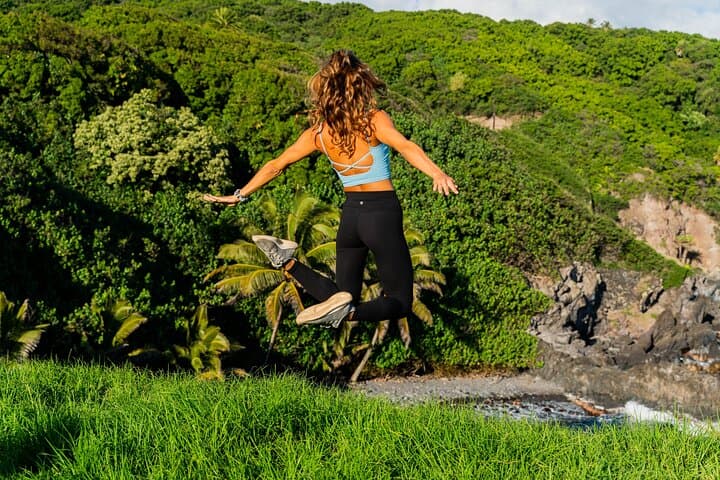
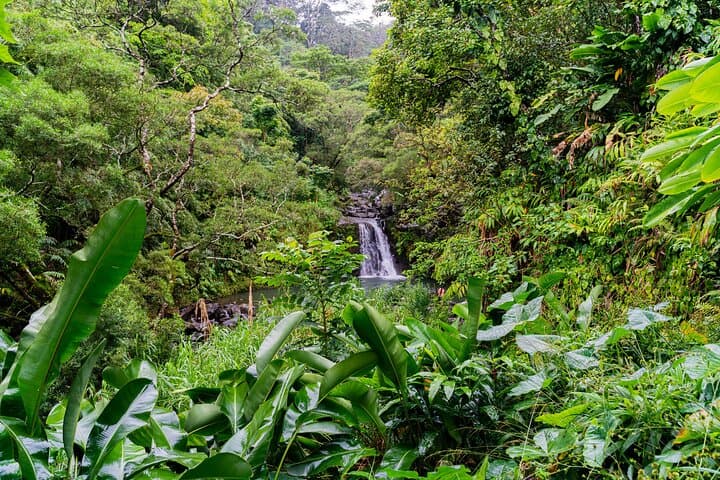
You turn off the main highway and the ocean becomes a companion—first a distant blue, then a series of surf-battered coves that lean into the road like a spectator at a race. The van eases through single-lane bridges and hairpin turns while the driver-reader-guide answers questions in a calm voice. Rain falls in sheets, then stops, and the air smells of wet ferns and steamed earth. This is the Road to Hana: a slow-moving, full-day arc through rainforest, coastal cliffs, and shifting microclimates where the landscape seems to rearrange itself every mile.
Verified experiences and guided adventures in the surrounding area.
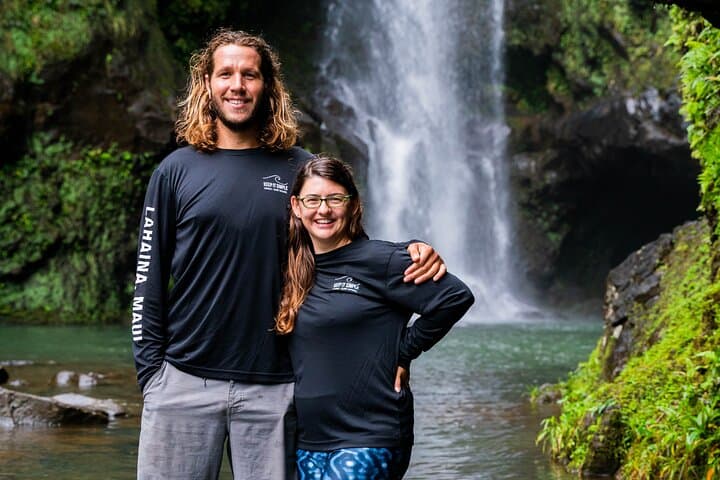
Operated by Keep It Simple Hawaii Surf School & Private Tours · Hana, Hawaii
You turn off the main highway and the ocean becomes a companion—first a distant blue, then a series of surf-battered coves that lean into the road like a spectator at a race. The van eases through single-lane bridges and hairpin turns while the driver-reader-guide answers questions in a calm voice. Rain falls in sheets, then stops, and the air smells of wet ferns and steamed earth. This is the Road to Hana: a slow-moving, full-day arc through rainforest, coastal cliffs, and shifting microclimates where the landscape seems to rearrange itself every mile.
The route follows a colonial-era ribbon of pavement carved into volcanic slopes and reef-lined shore. Many of the bridges date to the early 20th century, a practical infrastructure built around plantation-era settlements. Geologically, you’re tracing the eastern flank of Haleakalā—old lava flows give way to black sand beaches and volcanic sea cliffs, while pockets of fertile soil support banana groves and taro patches. Culturally, Hana remains quieter than West Maui; the town and nearby hamlets still observe kuleana—local responsibility to land and community—so visitors are expected to move thoughtfully.
Highlights on this private, full-day itinerary include the bamboo forest and rainbow eucalyptus stands, the black sand beach at Waiʻānapanapa State Park, roadside banana bread at a family stand, the always-photogenic Wailua Falls, and a 200,000-year-old lava tube. Drivers will stop for short walks and swims where conditions allow; the itinerary is flexible so the group sets the pace. Note that some iconic spots—like Oʻheo Gulch (the so-called Seven Sacred Pools)—may be closed by the National Park Service for safety or restoration.
Practical guidance: plan for a 10–12 hour day with lots of stops; the tour covers narrow, winding roads and 59 single‑lane bridges across roughly 64 miles of coastline. Dress in quick-dry layers and bring sturdy water shoes—this operator provides water-hiking shoes, but many travelers prefer their own for fit and grip. Bring swimwear, towel, a waterproof phone case, and cash for local food stands. Expect frequent microclimates: sunscreen for the sunny coves, a light rain shell for inland showers.
Safety and etiquette matter: respect posted closures, do not approach resting honu (green sea turtles), and avoid driving aggressively on narrow stretches—bridges and blind curves are common. The private format is ideal for families or groups wanting a personalized pace and photography time; the guide handles logistics, navigation, and local context so travelers can focus on the views.
When to go: mornings are cooler and less crowded; late afternoons bring dramatic light but also more road traffic returning west. Hydrate often, take your time on slippery steps, and let the island dictate the rhythm—this is a day of small discoveries rather than a checklist sprint.
moderate.
10–12 hours.
Suitable for travelers with average fitness: involves several short walks, some uneven terrain and the ability to get in/out of a vehicle multiple times.
Expect a full day of approximately 10–12 hours including multiple stops; exact timing varies with stops and road conditions.
Pickup and drop-off are available anywhere between Lahaina and Kapalua; provide your condo or hotel address when booking.
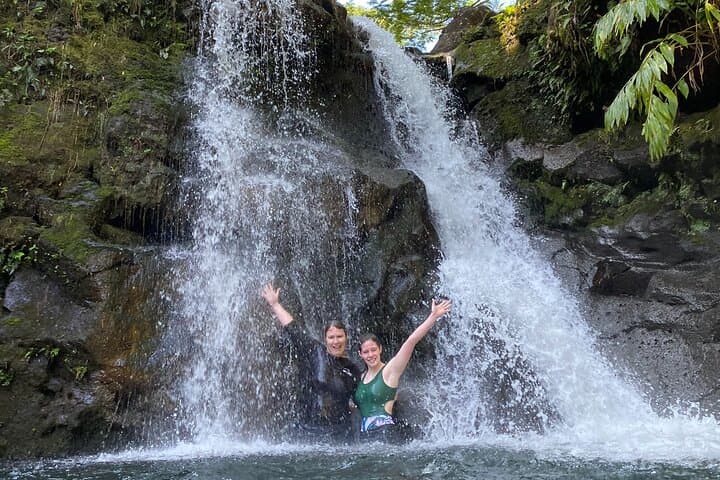
Yes—several stops allow swimming when weather and safety permit; bring a swimsuit and towel.
Yes—infant seats are available and the tour is family-friendly, though some short walks have uneven terrain.
Access to Oʻheo Gulch (Seven Sacred Pools) is managed by the National Park Service and may be closed; the guide will plan alternatives if closed.
Tours proceed in light rain; operators will cancel for severe weather and offer refunds per their 24‑hour policy.
The Road to Hana follows paths developed during plantation era development; many bridges and coastal tracks trace early 20th-century infrastructure built for agriculture and local access.
Visitors should stay on marked paths, avoid touching coral or disturbing turtles, and support local businesses that practice sustainable harvesting.
Keep It Simple Hawaii Surf School & Private Tours operates guided outdoor trips and adventures with an emphasis on safety, stewardship, and memorable experiences.
You turn off the main highway and the ocean becomes a companion—first a distant blue, then a series of surf-battered coves that lean into the road like a spectator at a race. The van eases through single-lane bridges and hairpin turns while the driver-reader-guide answers questions in a calm voice. Rain falls in sheets, then stops, and the air smells of wet ferns and steamed earth. This is the Road to Hana: a slow-moving, full-day arc through rainforest, coastal cliffs, and shifting microclimates where the landscape seems to rearrange itself every mile.
You turn off the main highway and the ocean becomes a companion—first a distant blue, then a series of surf-battered coves that lean into the road like a spectator at a race. The van eases through single-lane bridges and hairpin turns while the driver-reader-guide answers questions in a calm voice. Rain falls in sheets, then stops, and the air smells of wet ferns and steamed earth. This is the Road to Hana: a slow-moving, full-day arc through rainforest, coastal cliffs, and shifting microclimates where the landscape seems to rearrange itself every mile.
The route follows a colonial-era ribbon of pavement carved into volcanic slopes and reef-lined shore. Many of the bridges date to the early 20th century, a practical infrastructure built around plantation-era settlements. Geologically, you’re tracing the eastern flank of Haleakalā—old lava flows give way to black sand beaches and volcanic sea cliffs, while pockets of fertile soil support banana groves and taro patches. Culturally, Hana remains quieter than West Maui; the town and nearby hamlets still observe kuleana—local responsibility to land and community—so visitors are expected to move thoughtfully.
Highlights on this private, full-day itinerary include the bamboo forest and rainbow eucalyptus stands, the black sand beach at Waiʻānapanapa State Park, roadside banana bread at a family stand, the always-photogenic Wailua Falls, and a 200,000-year-old lava tube. Drivers will stop for short walks and swims where conditions allow; the itinerary is flexible so the group sets the pace. Note that some iconic spots—like Oʻheo Gulch (the so-called Seven Sacred Pools)—may be closed by the National Park Service for safety or restoration.
Practical guidance: plan for a 10–12 hour day with lots of stops; the tour covers narrow, winding roads and 59 single‑lane bridges across roughly 64 miles of coastline. Dress in quick-dry layers and bring sturdy water shoes—this operator provides water-hiking shoes, but many travelers prefer their own for fit and grip. Bring swimwear, towel, a waterproof phone case, and cash for local food stands. Expect frequent microclimates: sunscreen for the sunny coves, a light rain shell for inland showers.
Safety and etiquette matter: respect posted closures, do not approach resting honu (green sea turtles), and avoid driving aggressively on narrow stretches—bridges and blind curves are common. The private format is ideal for families or groups wanting a personalized pace and photography time; the guide handles logistics, navigation, and local context so travelers can focus on the views.
When to go: mornings are cooler and less crowded; late afternoons bring dramatic light but also more road traffic returning west. Hydrate often, take your time on slippery steps, and let the island dictate the rhythm—this is a day of small discoveries rather than a checklist sprint.