THE ADVENTURE COLLECTIVE® · Independent discovery and booking for outdoor travel

Cover Rio’s high points in a single day: a train ride through Tijuca Forest to Christ the Redeemer, cultural stops in the city, and the iconic Sugarloaf cable car for sweeping bay views. This private tour blends efficient logistics with flexible time for lunch and photos.
Cover Rio’s high points in a single day: a train ride through Tijuca Forest to Christ the Redeemer, cultural stops in the city, and the iconic Sugarloaf cable car for sweeping bay views. This private tour blends efficient logistics with flexible time for lunch and photos.
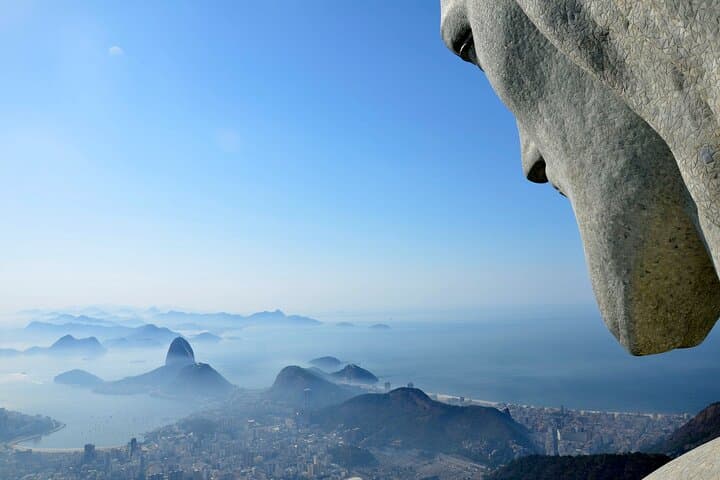
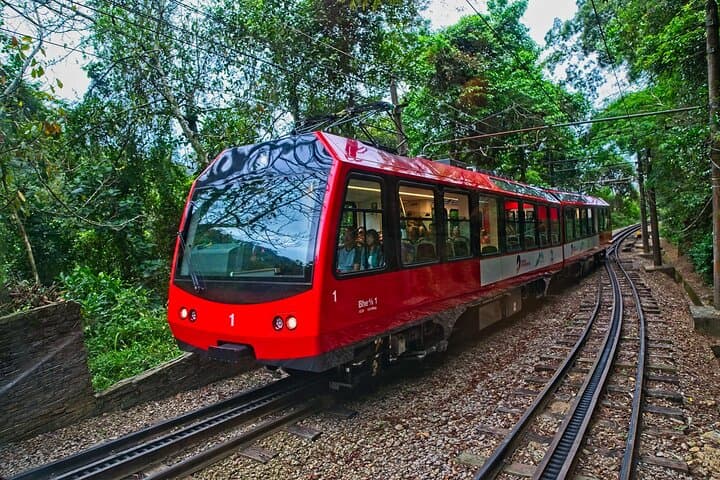
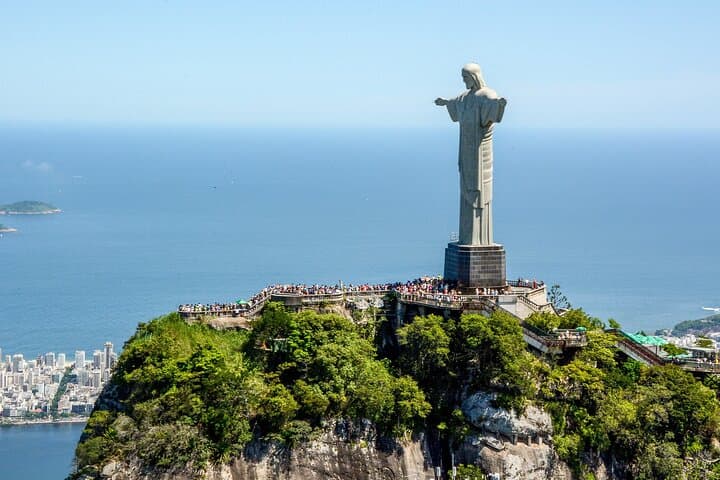
You step off an air‑conditioned van into the warm breath of Rio — the Atlantic pressing at the city's edge, gulls drafting above the bay. The day begins with a 20‑minute cog train climb through Tijuca Forest to the base of Christ the Redeemer, where the statue rises at 710 meters and spreads its arms over the city like a slow, watchful tide.
Verified experiences and guided adventures in the surrounding area.
Operated by C2Rio Tours & Travel · Rio de Janeiro, Rio de Janeiro
You step off an air‑conditioned van into the warm breath of Rio — the Atlantic pressing at the city's edge, gulls drafting above the bay. The day begins with a 20‑minute cog train climb through Tijuca Forest to the base of Christ the Redeemer, where the statue rises at 710 meters and spreads its arms over the city like a slow, watchful tide.
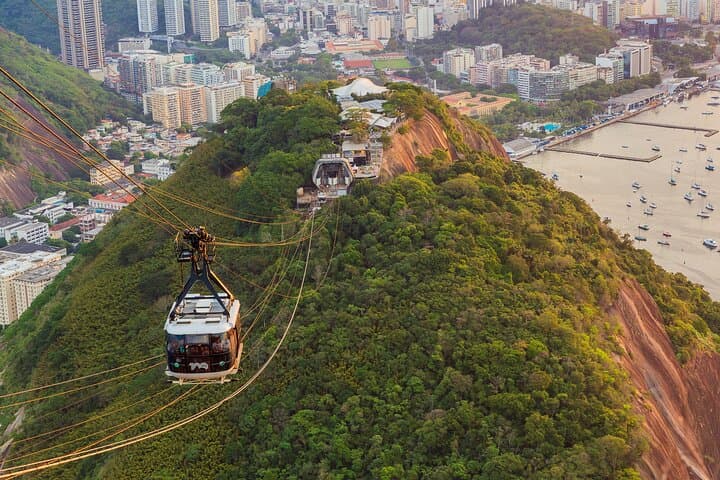
The train route threads restored rainforest, itself a human and geological story: Tijuca is one of the world’s largest urban reforestation projects, sitting on ancient granite slopes carved by tectonic uplift that now host views across Guanabara Bay. After Corcovado, the itinerary scans key cultural sites — the mosaic steps of Selarón, the modernist cathedral, and an exterior look at the Maracanã — before moving to Urca Hill for the century‑old Sugarloaf cable car. The double cable‑car system, opened in the early 20th century, delivers a panoramic payoff: bay, beaches, and city stacked beneath granite domes.
Practical guidance: bring sun protection and a refillable water bottle, and plan lunch in the Urca or Lapa neighborhoods where local kitchens serve feijoada and seafood. Photography works best mid‑morning or late afternoon when light sculpts the granite; mid‑day can be hazy or rainy in the austral summer. Mobility considerations include steps at both viewpoints and short queues for the cable car and train. The private format allows flexible timing but expect an 8–9 hour day — a full sweep of Rio’s topography, culture, and coastline stitched into one accessible outing.
easy.
8–9 hours.
Suitable for most fitness levels—requires standing, short walks, and climbing stairs at viewpoints.
Yes — the tour includes admission to both Christ the Redeemer (train) and Sugarloaf cable cars; the guide will handle ticket delivery.
No — the itinerary includes a lunch break but meals and drinks are not included; guides can recommend local restaurants.
Yes — the tour is family friendly; infants must sit on an adult’s lap and the pace is adjustable for families.
Yes — private pickup is included; you’ll select or specify a pickup point during booking and the guide will confirm details.
Christ the Redeemer was completed in 1931 as a national symbol; Sugarloaf’s first cable car opened in 1912, linking the city to its granite outcrops.
Tijuca Forest is a restored national park—visitors should stay on paths, avoid feeding wildlife, and minimize waste to support ongoing reforestation efforts.
C2Rio Tours & Travel operates guided outdoor trips and adventures with an emphasis on safety, stewardship, and memorable experiences.
You step off an air‑conditioned van into the warm breath of Rio — the Atlantic pressing at the city's edge, gulls drafting above the bay. The day begins with a 20‑minute cog train climb through Tijuca Forest to the base of Christ the Redeemer, where the statue rises at 710 meters and spreads its arms over the city like a slow, watchful tide.
You step off an air‑conditioned van into the warm breath of Rio — the Atlantic pressing at the city's edge, gulls drafting above the bay. The day begins with a 20‑minute cog train climb through Tijuca Forest to the base of Christ the Redeemer, where the statue rises at 710 meters and spreads its arms over the city like a slow, watchful tide.
The train route threads restored rainforest, itself a human and geological story: Tijuca is one of the world’s largest urban reforestation projects, sitting on ancient granite slopes carved by tectonic uplift that now host views across Guanabara Bay. After Corcovado, the itinerary scans key cultural sites — the mosaic steps of Selarón, the modernist cathedral, and an exterior look at the Maracanã — before moving to Urca Hill for the century‑old Sugarloaf cable car. The double cable‑car system, opened in the early 20th century, delivers a panoramic payoff: bay, beaches, and city stacked beneath granite domes.
Practical guidance: bring sun protection and a refillable water bottle, and plan lunch in the Urca or Lapa neighborhoods where local kitchens serve feijoada and seafood. Photography works best mid‑morning or late afternoon when light sculpts the granite; mid‑day can be hazy or rainy in the austral summer. Mobility considerations include steps at both viewpoints and short queues for the cable car and train. The private format allows flexible timing but expect an 8–9 hour day — a full sweep of Rio’s topography, culture, and coastline stitched into one accessible outing.