THE ADVENTURE COLLECTIVE® · Independent discovery and booking for outdoor travel

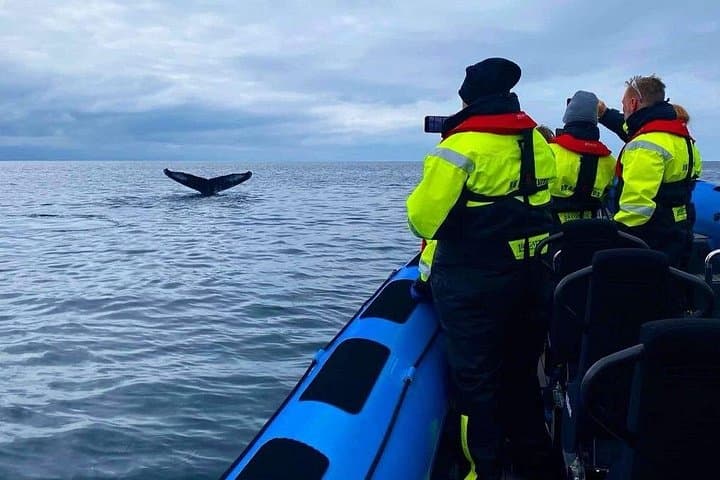
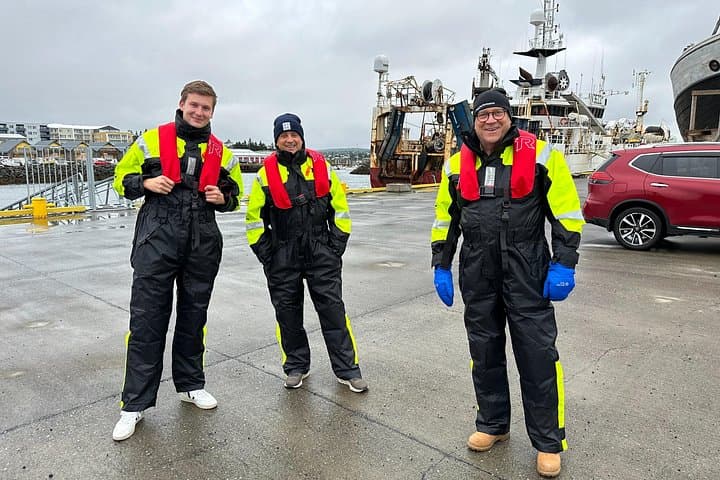
Speed across Faxaflói Bay on a high-powered private RIB from Reykjavík. This two-hour tour reaches prime feeding grounds quickly, offering close encounters with minke whales and dolphins while providing safety gear and warm overalls.
Speed across Faxaflói Bay on a high-powered private RIB from Reykjavík. This two-hour tour reaches prime feeding grounds quickly, offering close encounters with minke whales and dolphins while providing safety gear and warm overalls.
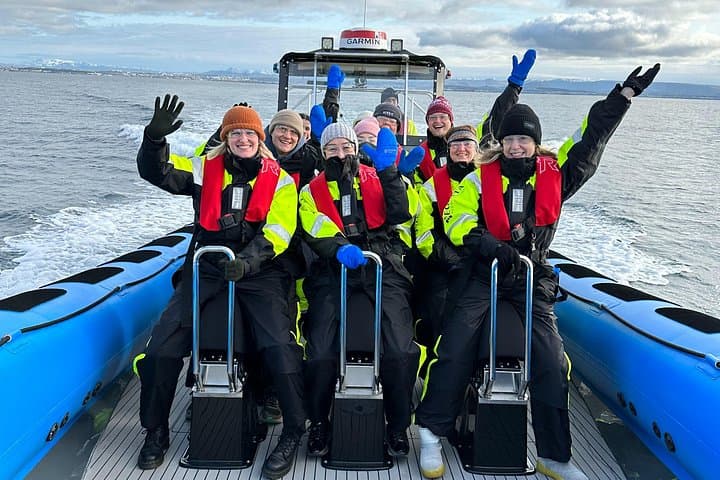
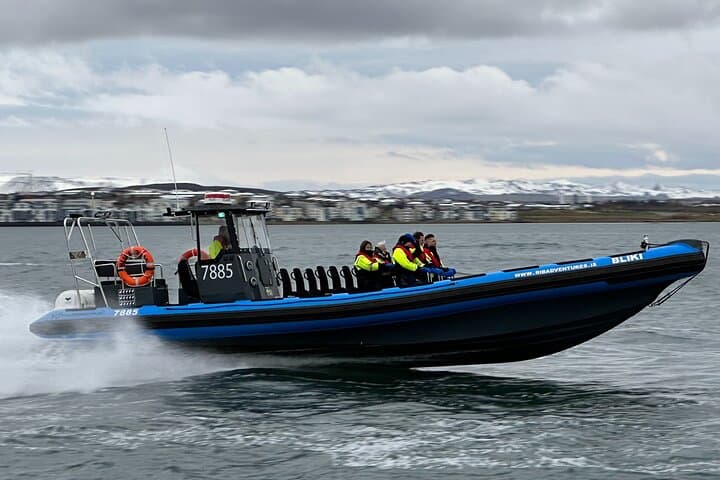
Early morning light throws a silver ribbon across Faxaflói Bay as your RIB cuts a clean line through the swell. The engines hum, the spray dares you to lean forward, and Reykjavik's harbor shrinks behind Harpa's glass.
Verified experiences and guided adventures in the surrounding area.
Operated by RIB Adventures · Reykjavik, Capital Region
Early morning light throws a silver ribbon across Faxaflói Bay as your RIB cuts a clean line through the swell. The engines hum, the spray dares you to lean forward, and Reykjavik's harbor shrinks behind Harpa's glass.
This private RIB whale-watching tour launches from the greater Reykjavík/Kópavogur area, using a high-powered open RIB to reach prime feeding grounds in about 20 minutes. Iceland’s coastline here is recent geology—cooled lava flows meet glacially carved bays—so currents concentrate forage fish and draw predators: minke and humpback whales and swift white‑beaked dolphins often appear within sight of the city.
Whaling in Iceland shifted to observation and scientific study in the late 20th century; today small operators follow strict guidelines to reduce disturbance. The local fishing culture still shapes harbor life, from smoked fish stalls to island outposts like Viðey, where seabirds and historic sites add context to any marine trip.
Practical guidance: the outing is roughly two hours, with about one hour searching. Expect open‑deck exposure, cold wind and spray even in summer; the operator supplies warm overalls and life vests. Bring layered clothing, sea‑sickness remedies if you’re prone, and binoculars or a telephoto lens. Follow crew directions, keep low when animals appear, and avoid sudden, loud noises that can startle wildlife. Morning departures typically offer calmer seas and better sighting chances. Book a private RIB to tailor timing, photo angles, and group comfort requirements.
moderate.
2 hours.
Suitable for most fitness levels; you should be able to board a small boat and stand for periods on a moving vessel.
No—wildlife is unpredictable. The crew typically spends about an hour searching in productive areas, but sightings cannot be promised.
Yes; life vests and warm overalls are provided, but check medical restrictions—this trip is not recommended for pregnant travelers or those with serious spinal or heart conditions.
Dress in warm layers, wear non‑slip shoes, bring sea‑sickness meds if needed, and keep electronics in waterproof cases or a dry bag.
Departures are from the Reykjavík/Kópavogur harbor area; the tour lasts about two hours, including roughly 20 minutes transit to the search area and one hour searching.
Iceland’s coastal communities moved from commercial whaling toward observation and marine research in recent decades; whale watching has become an important part of local maritime economy.
Operators follow distance and approach guidelines to minimize disturbance; avoid feeding or attempting to touch wildlife and support companies that report sightings to researchers.
RIB Adventures operates guided outdoor trips and adventures with an emphasis on safety, stewardship, and memorable experiences.
Early morning light throws a silver ribbon across Faxaflói Bay as your RIB cuts a clean line through the swell. The engines hum, the spray dares you to lean forward, and Reykjavik's harbor shrinks behind Harpa's glass.
Early morning light throws a silver ribbon across Faxaflói Bay as your RIB cuts a clean line through the swell. The engines hum, the spray dares you to lean forward, and Reykjavik's harbor shrinks behind Harpa's glass.
This private RIB whale-watching tour launches from the greater Reykjavík/Kópavogur area, using a high-powered open RIB to reach prime feeding grounds in about 20 minutes. Iceland’s coastline here is recent geology—cooled lava flows meet glacially carved bays—so currents concentrate forage fish and draw predators: minke and humpback whales and swift white‑beaked dolphins often appear within sight of the city.
Whaling in Iceland shifted to observation and scientific study in the late 20th century; today small operators follow strict guidelines to reduce disturbance. The local fishing culture still shapes harbor life, from smoked fish stalls to island outposts like Viðey, where seabirds and historic sites add context to any marine trip.
Practical guidance: the outing is roughly two hours, with about one hour searching. Expect open‑deck exposure, cold wind and spray even in summer; the operator supplies warm overalls and life vests. Bring layered clothing, sea‑sickness remedies if you’re prone, and binoculars or a telephoto lens. Follow crew directions, keep low when animals appear, and avoid sudden, loud noises that can startle wildlife. Morning departures typically offer calmer seas and better sighting chances. Book a private RIB to tailor timing, photo angles, and group comfort requirements.